decorated bread
Duration
Artist
Curation
Project Manager
Participants
Text editing
Sound Designer
Developer
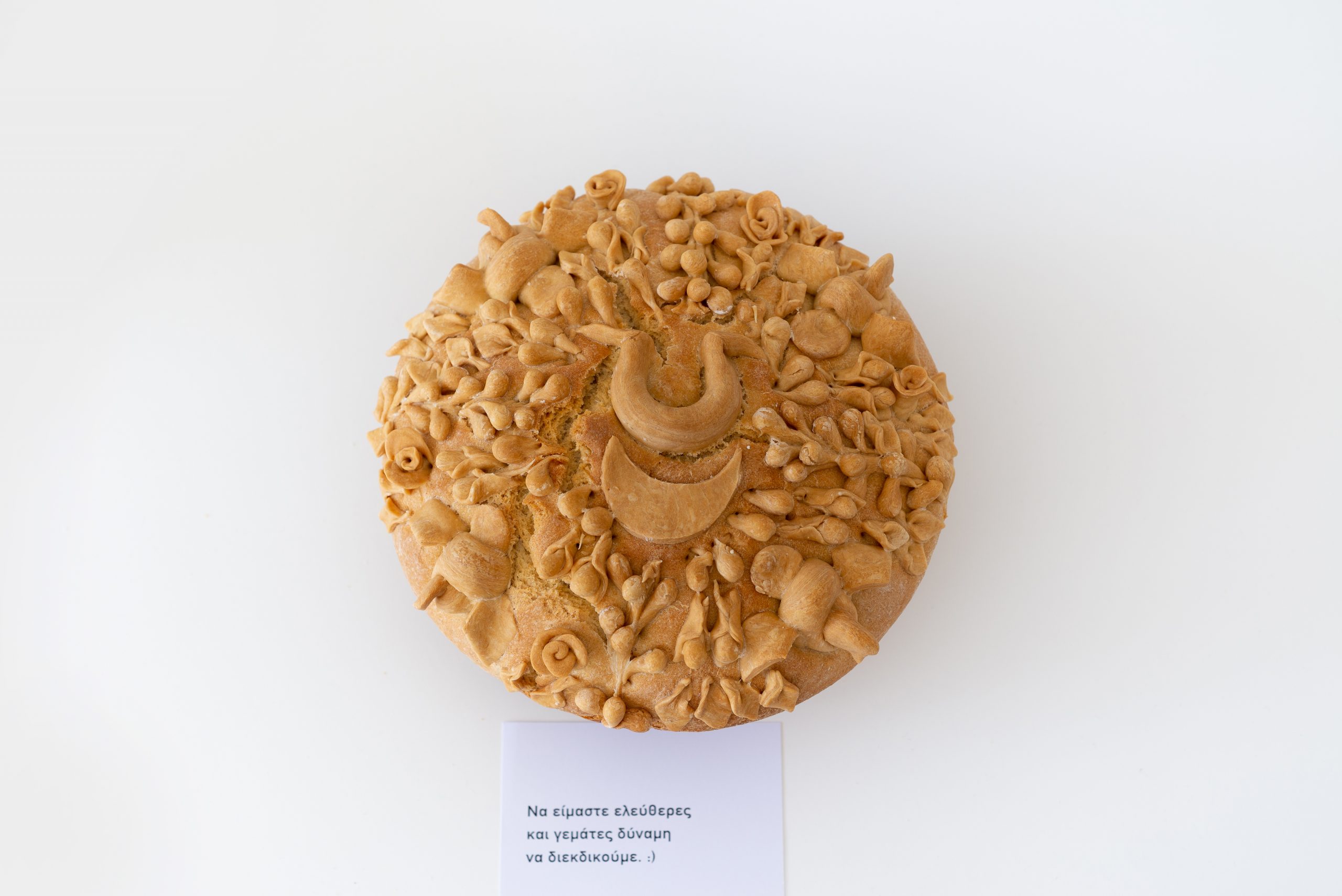
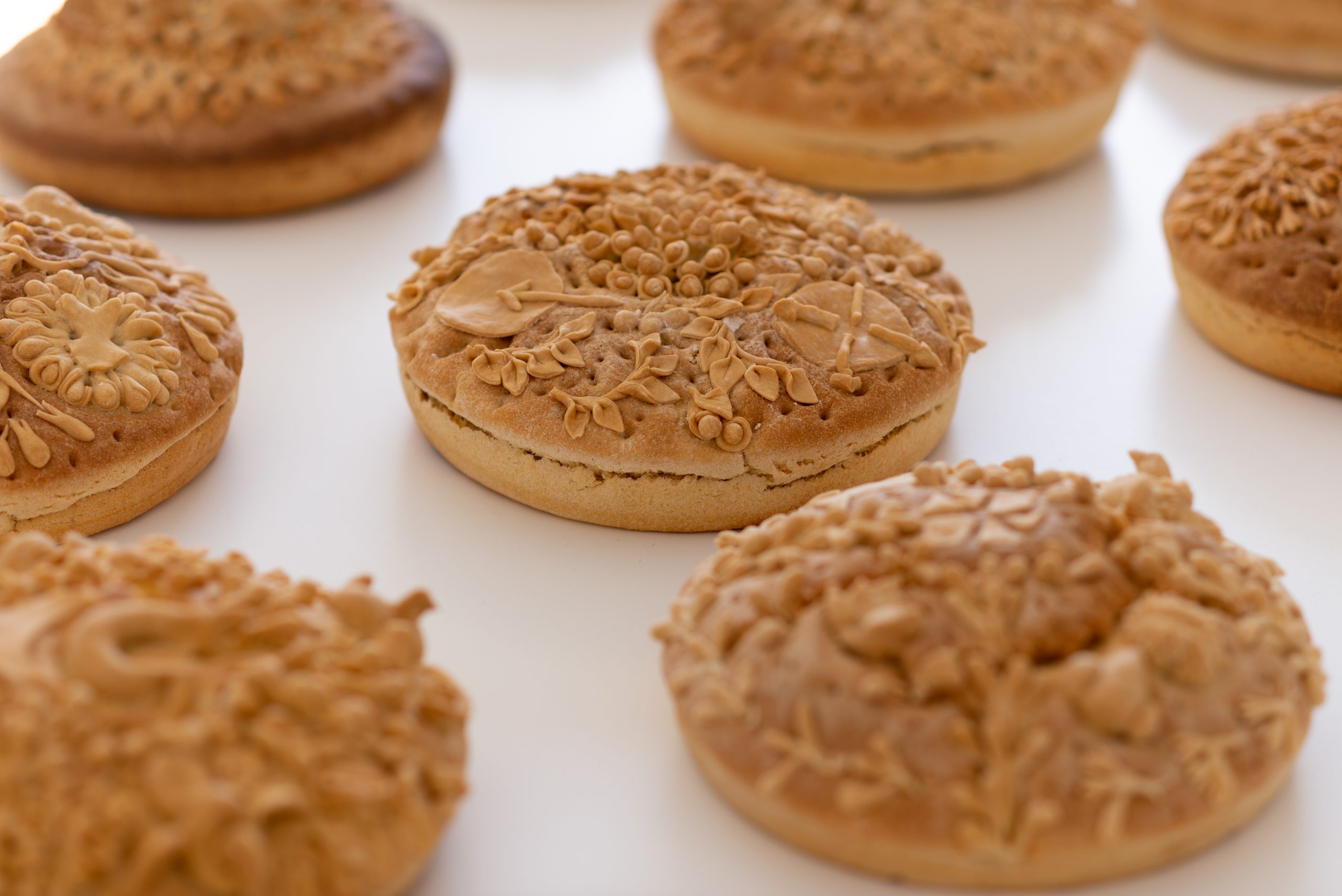
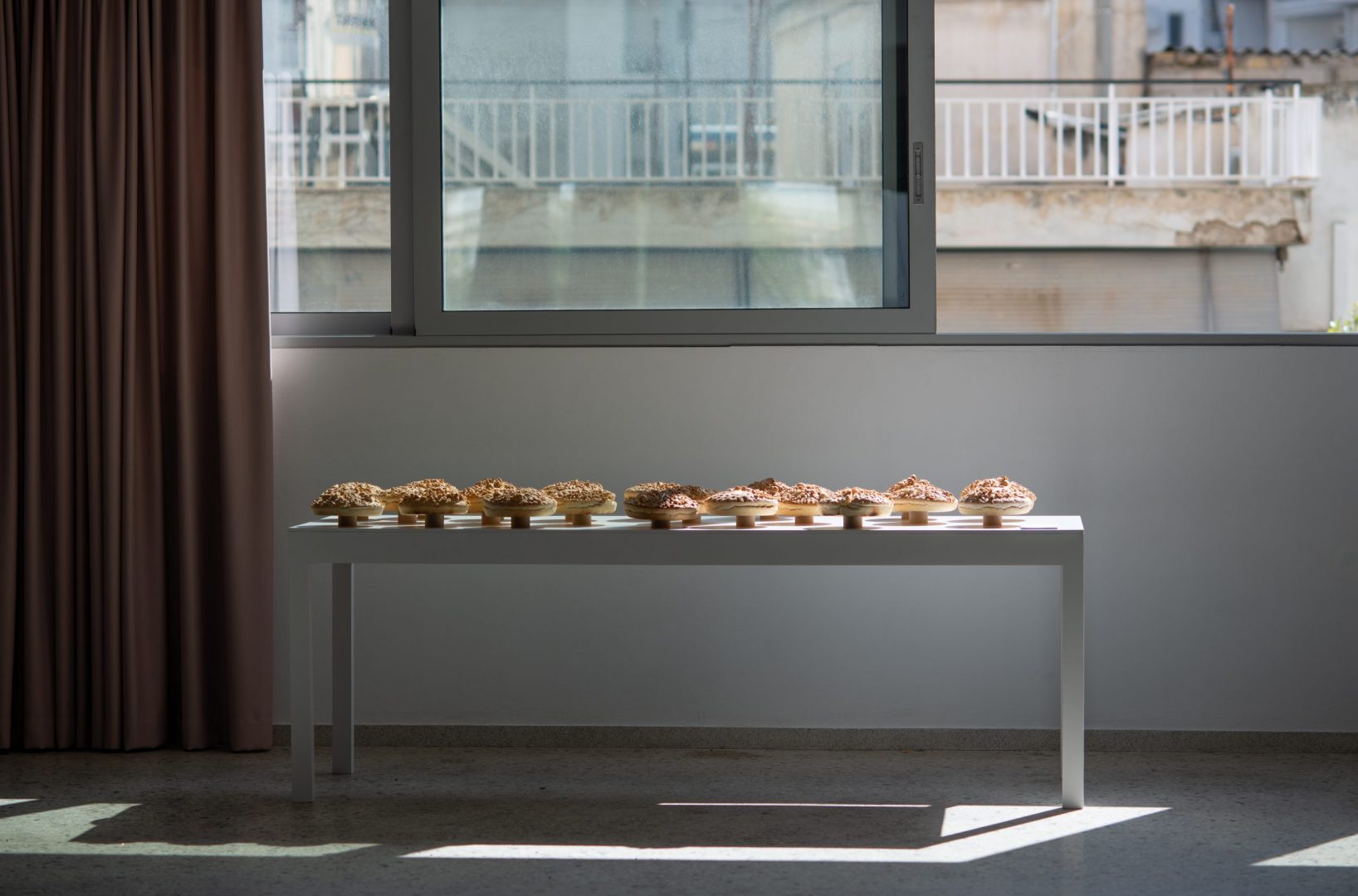
Decorated bread is a process based project which unfolded over a series of months researching into the ritual of decorating bread to celebrate important occasions in predominantly rural areas of Greece, rethinking these traditions within a contemporary context. Maria Varela using her methodology of transposing digital tools onto traditional skills re-evaluates inter-generational knowledge handed down woman to woman considering it a form of literacy and communication that is still relevant both as medium and message. By inviting artists and academics in collaboration with the project’s scientific advisor Despoina Catapoti to contribute knowledge (both practical and theoretical) in the form of podcasts, Varela wove together disparate strands of thinking about materiality, traditions, of connecting and reconnecting with our material and immaterial heritage.
“Our cultural traditions are interesting to us – exactly because they refer to something that feels close to us from narratives, stories and photographs passed on by our grandparents – the emotions they ignite are valuable and must be used to further heighten the depth of our experience.” (Yiorgos Magginis)
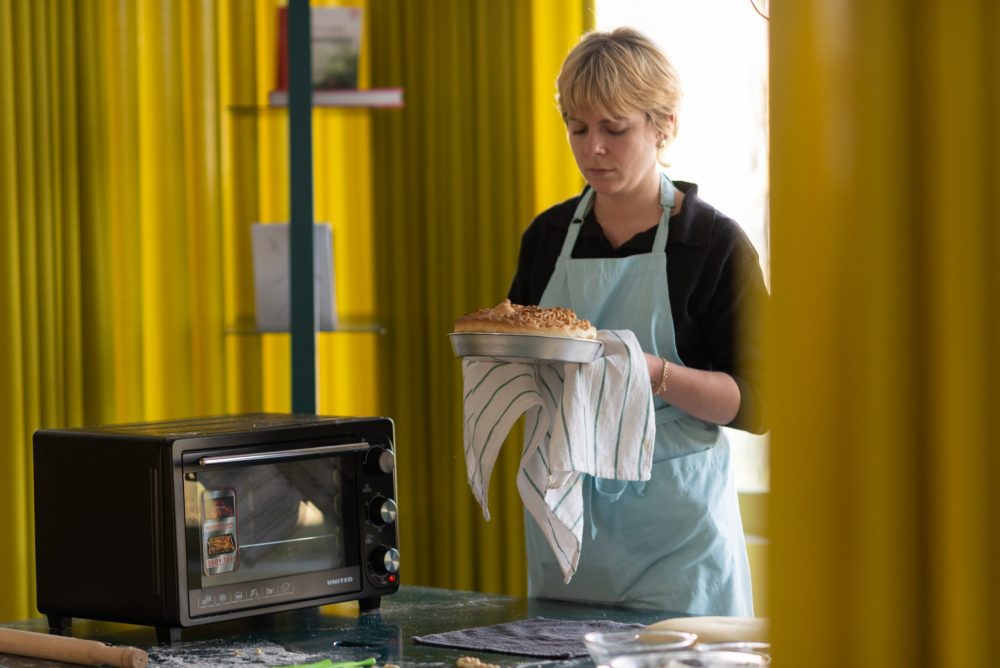
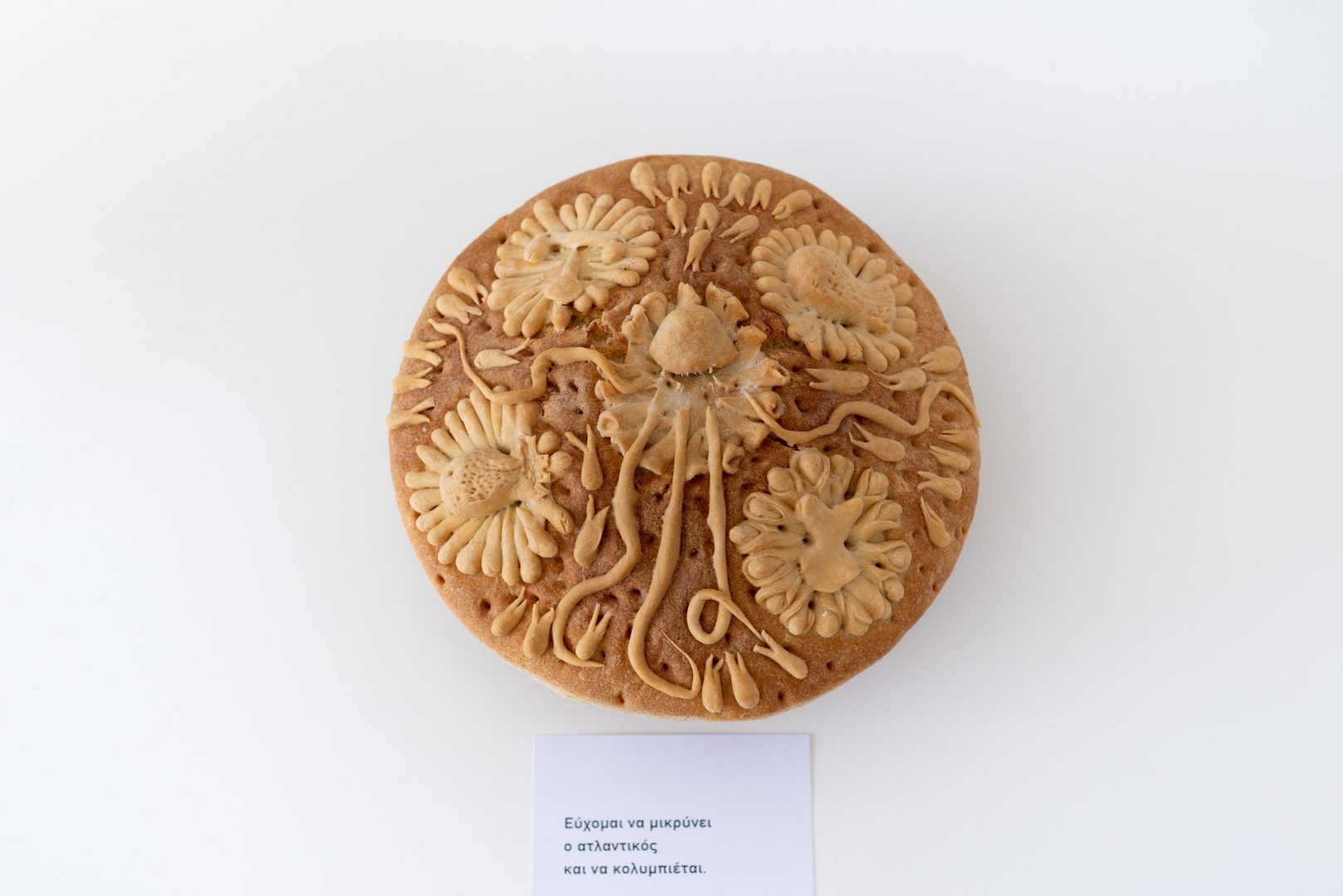
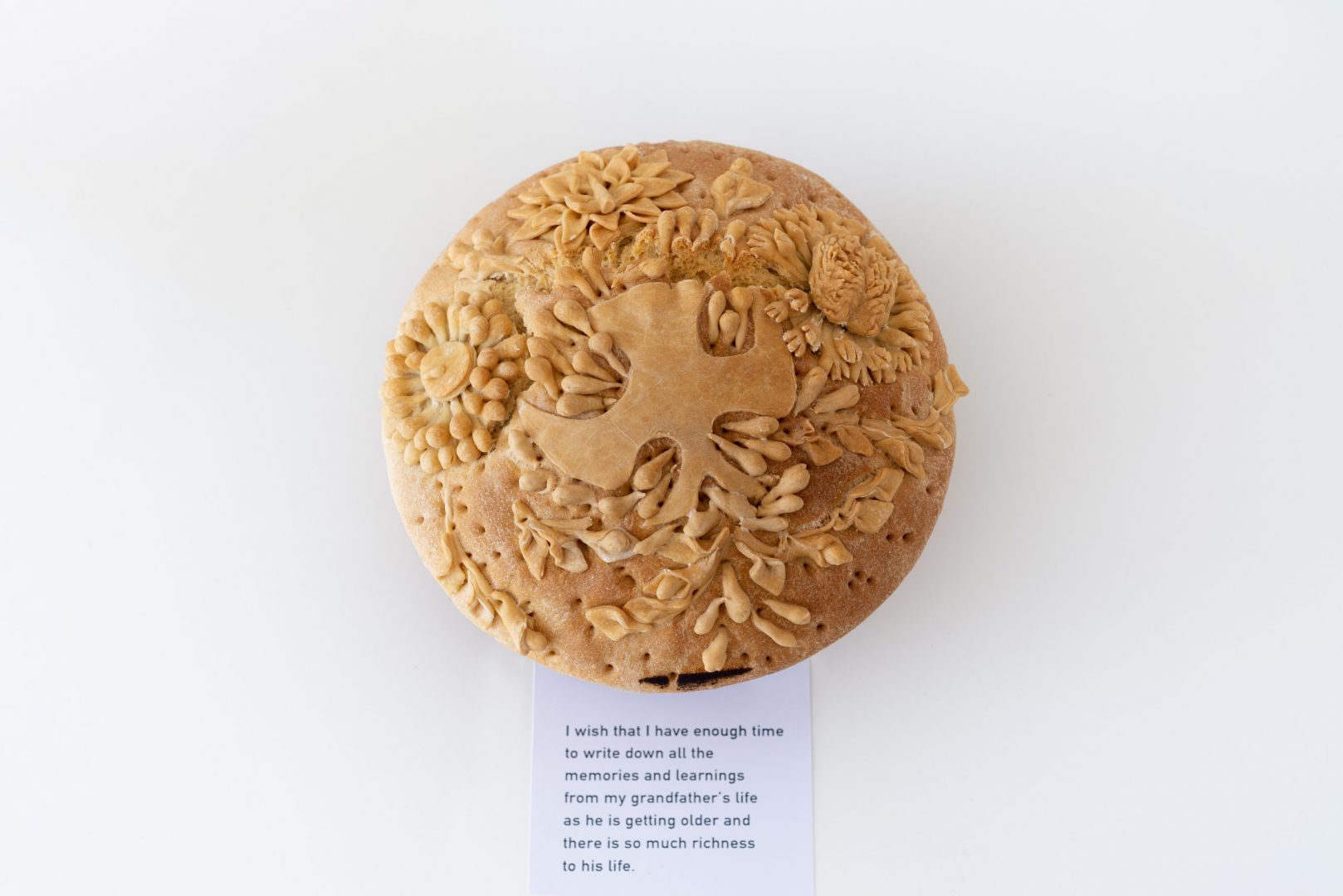
Decorated breads were traditionally used to celebrate rituals in the cycle of life (weddings, engagements, passings etc.) and to mark the change of seasons (summer, harvest). Endowed with a magical/religious potential these breads were decorated with symbols inspired by daily life and nature, visualising a desire or wish by the person who created or requested the bread. Traditional symbols: snakes, flowers, leaves, pine cones, grapes, pomegranates, birds, lizards, hedgehogs, mice, scorpions, butterflies, knots, worry beads, wheels etc.
Maria Varela works with codes, languages and skills that are often rooted in traditional cultures and linked to female domestic labor. In her new work she refers back to rituals and symbols that belong to the tradition of female craft-making and decorated breads aiming to update their vocabulary and mode of production but also to experience the ritualistic patterns of their production process.
Using bread as a starting point, both as a basic food right but also endowed with symbolic potentialities, Varela re-packages the production process forming a hybrid meta-form, where producer and consumer, online and offline, interface and face-to-face, present and past, individual experience and collective labor, symbols and matter intersect.
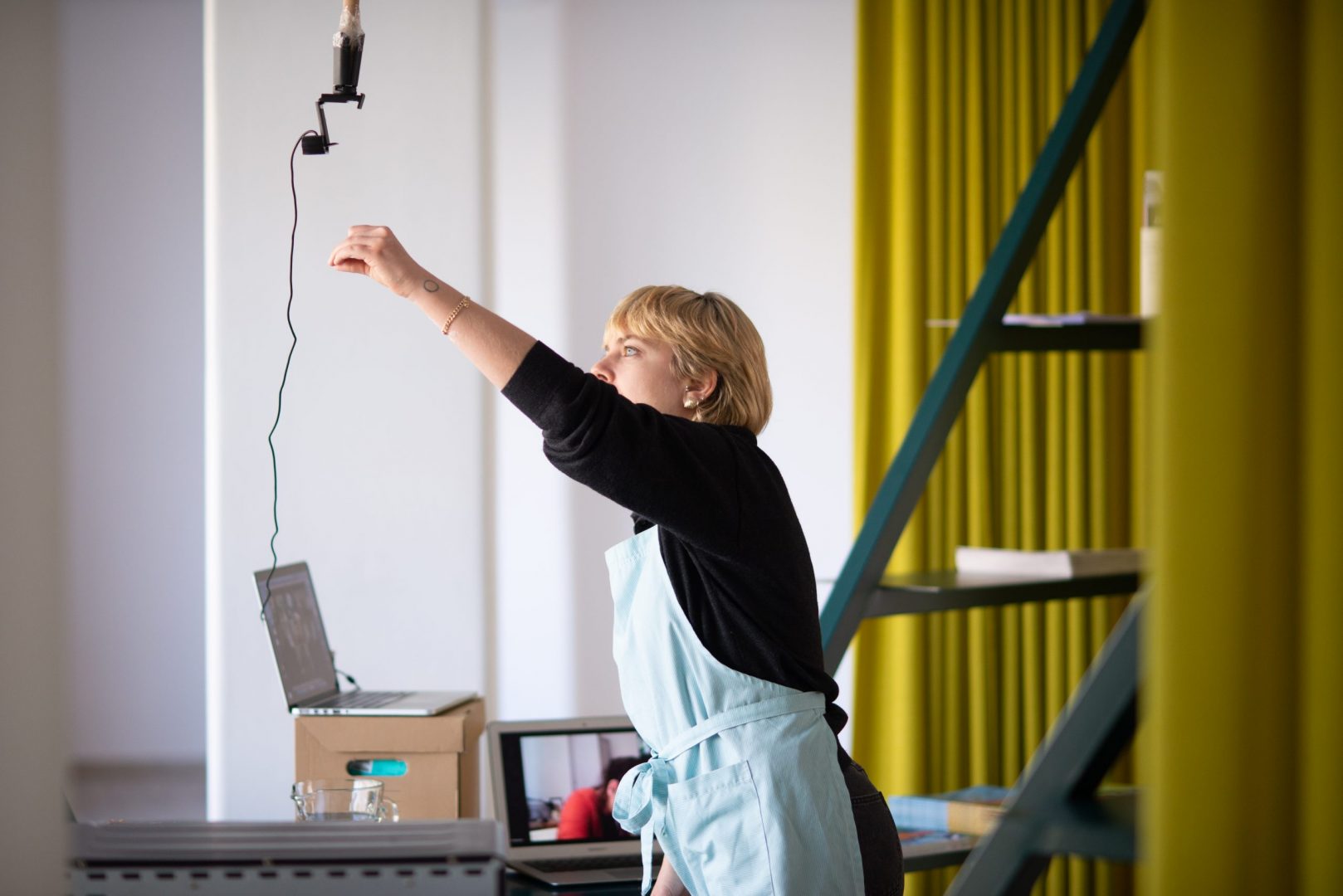
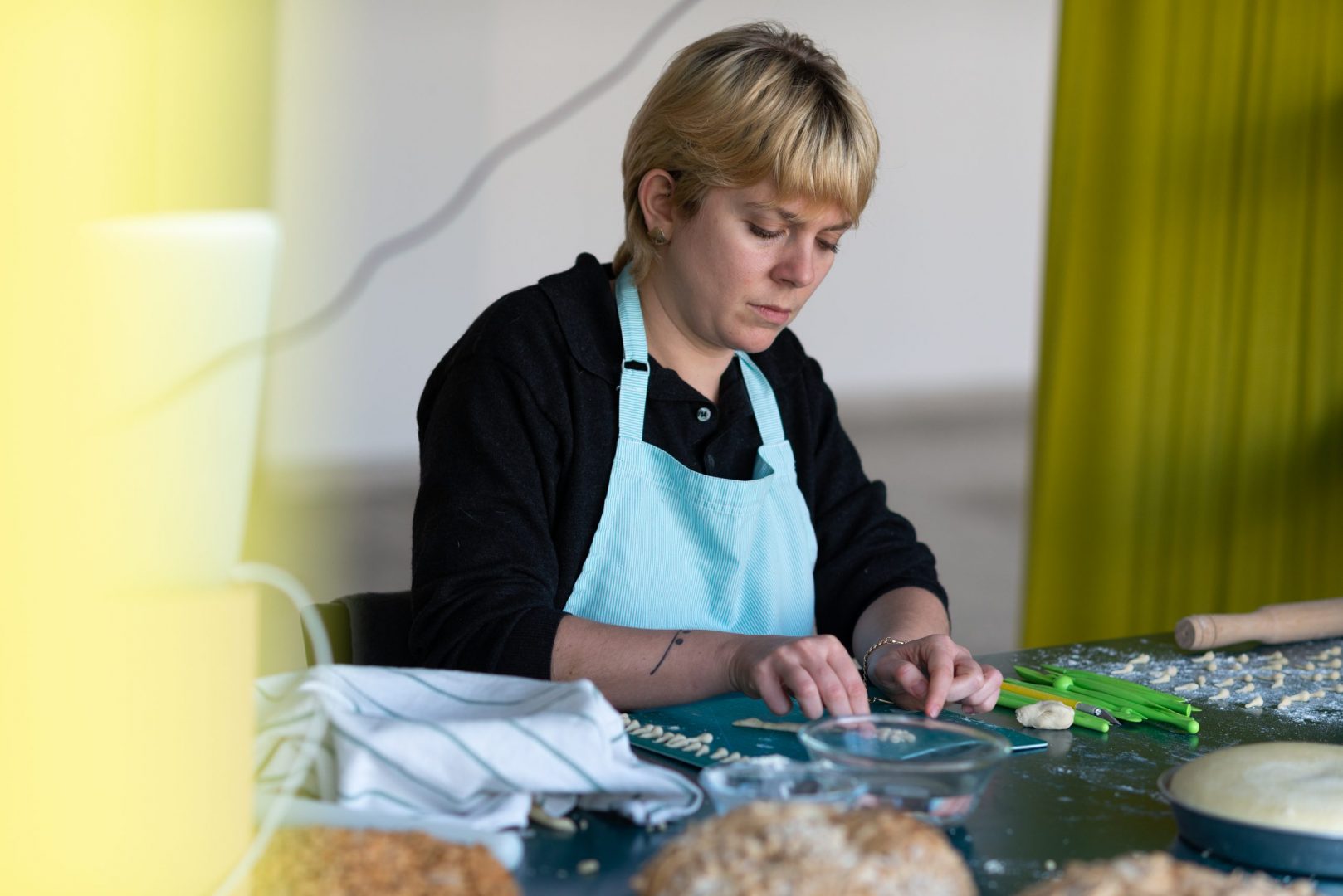
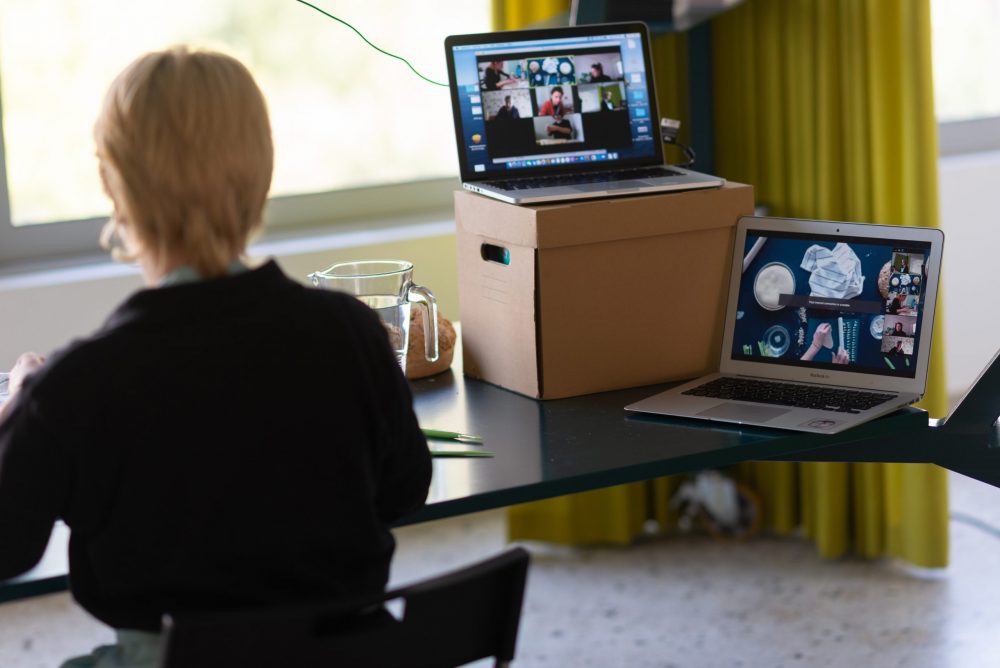
Varela creates a database of symbols, where wishes/requests/orders will be archived; she will also create an algorithm which will select the wishes that will be materialised which in turn will be matched with the coded symbols that relate to each wish; the coded wishes are produced by Varela over a series of days at TAVROS and will be broadcast live via a web performance.
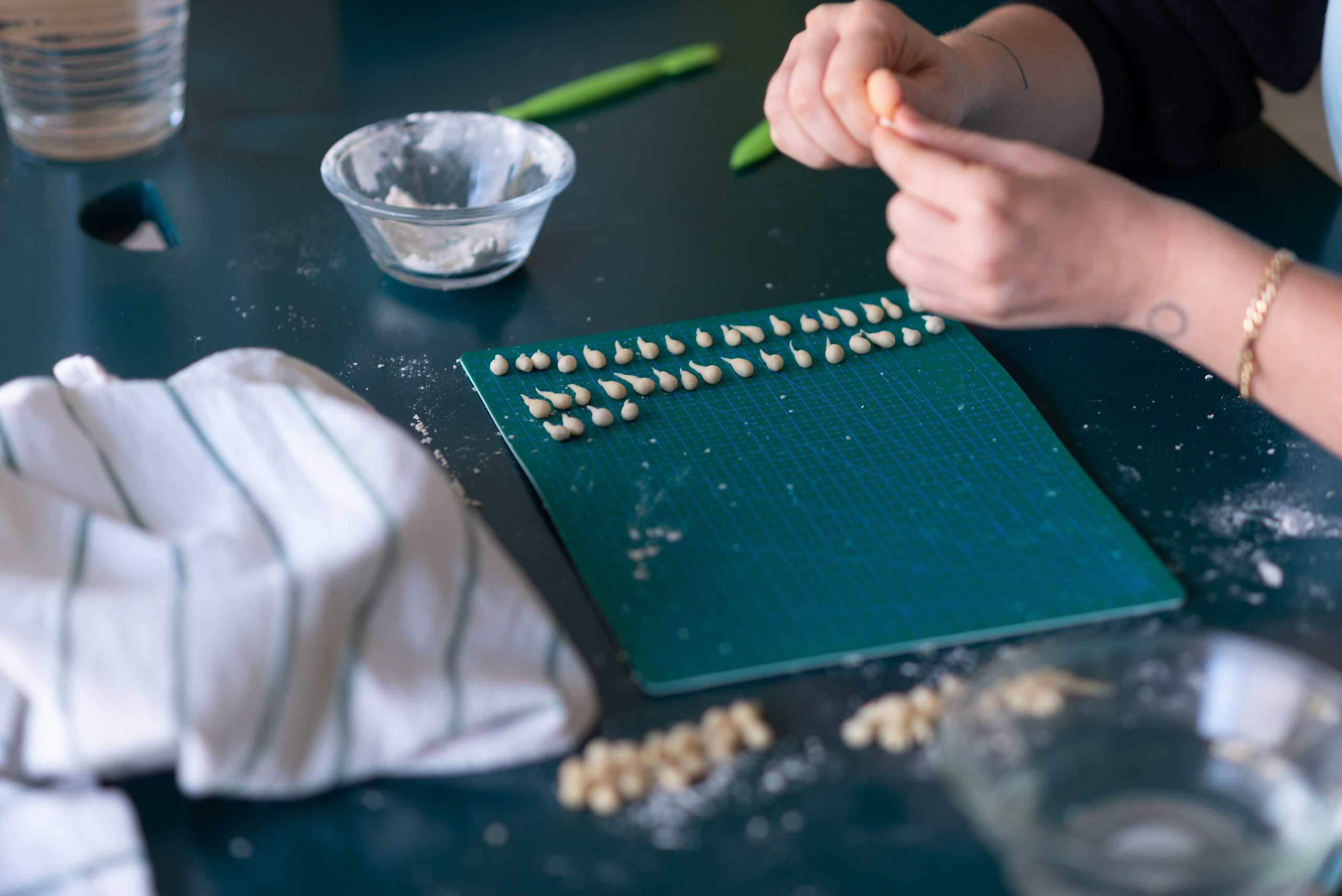
The next stage of the process is the formation of a social network of women who will knead, decorate and weave their desires and fears onto bread. Some of these women are well versed in the process and its symbolic gestures, others will be new to the process, learning and experimenting on the way. The network will include academics who will contribute to the discourse from an anthropological, folk and museum studies perspective.
The social network is the artwork. The code is the artwork. The process is the artwork.
“Heritage is by definition cultural because it is a second reading, an adaptation which necessarily changes in the transition from the cultural context when it was still alive and contemporary.” (Yannis Drinis)
“Bread is a perfect example of the combination of temporal and spatial qualities, wedding them in a harmonious marriage.” (Vassiliki Kravva)
“Decorated breads didn’t have commercial value, they were made by specific persons and were consumed in specific contexts. Nowadays, this has changed, they are produced in a monetized economy, taking on a symbolic value on top of the value of the materials with which they were produced. Meanwhile the people who produce them and the way they are produced has changed.” (Despoina Nazou)
The Ritual
Self-work
1. research into symbols / reading material, online sources
2. contact with the women cooperative AIANTIS with experience in decorating bread
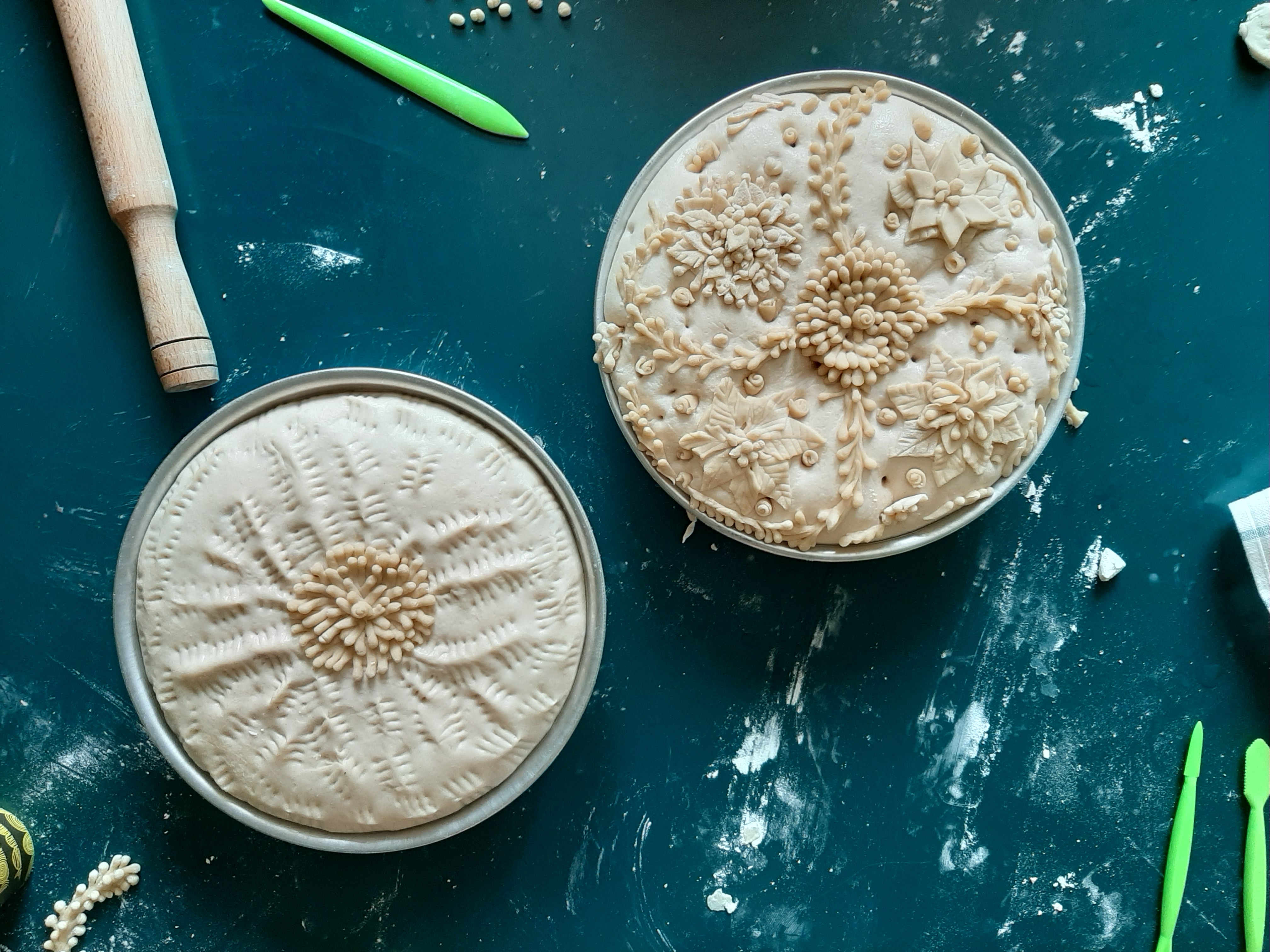
3. learning to decorate bread, masterclasses with Mrs Aggeliki (4x classes) @TAVROS
Collective collaboration
4. open call to collect wishes & database archiving & symbols coding
5. web performance by Maria Varela
6. online workshop: Aiantis cooperative – five female artists
7. bread assignments to artists
8. podcasts with the participation of academics and artists / moderator Despina Catapoti
Presentation
9. publication of breads created by the artists, podcasts, web performance documentation videos & webpage
10. web masterclass Decorated Bread @ Circular Cultures: Materials, British Council Greece
11. workshop Decorated Bread @ T&T Festival #2 – Zone Sensible , Paris – France
You can watch the videos from Decorated Bread– web performance here.
Decorated Bread is part of The Table and the Territory a European and trans-disciplinary project to develop, connect and enable a community of cultural actors committed to ecological transition and sustainable food to come together, share their expertise, build skills, to develop and evaluate (especially with scientists), to share (in particular with the public) and to highlight (especially with the political actors), the importance of Culture based Solutions, in full emergence on a European scale and in the context of climate change and environmental sustainability.
Support
The programme was co-funded by the Creative Europe Programme of the European Union, as part of the project The Table and the Territory.
The project was supported by Polyeco Contemporary Art Initiative PCAI and French Institute of Greece.