(of) public interest

Exhibition opening
Duration
Artist
Curation
Contributors
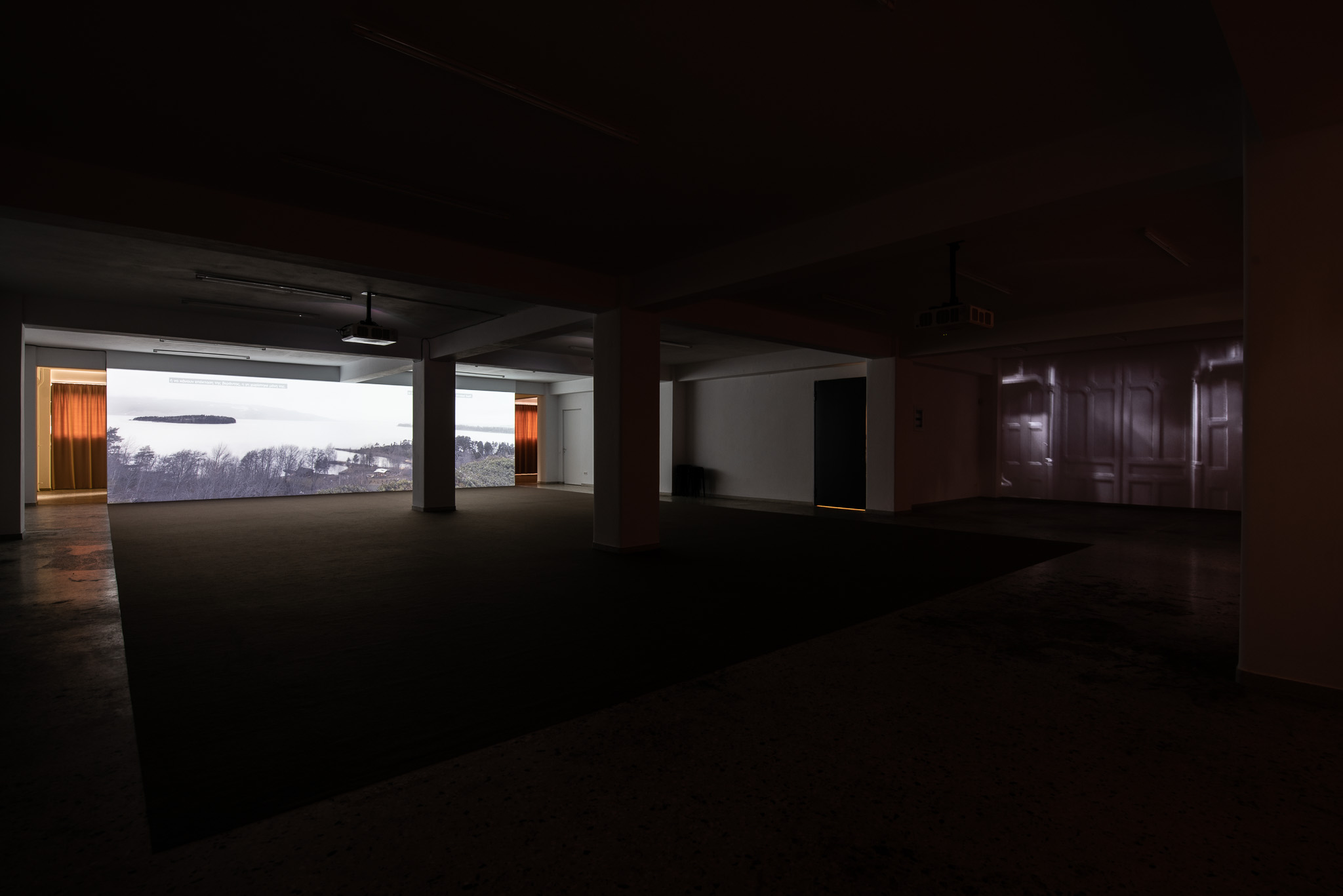
Jonas Dahlberg’s solo exhibition (Of) Public Interest is the first in a series of exhibitions at TAVROS.
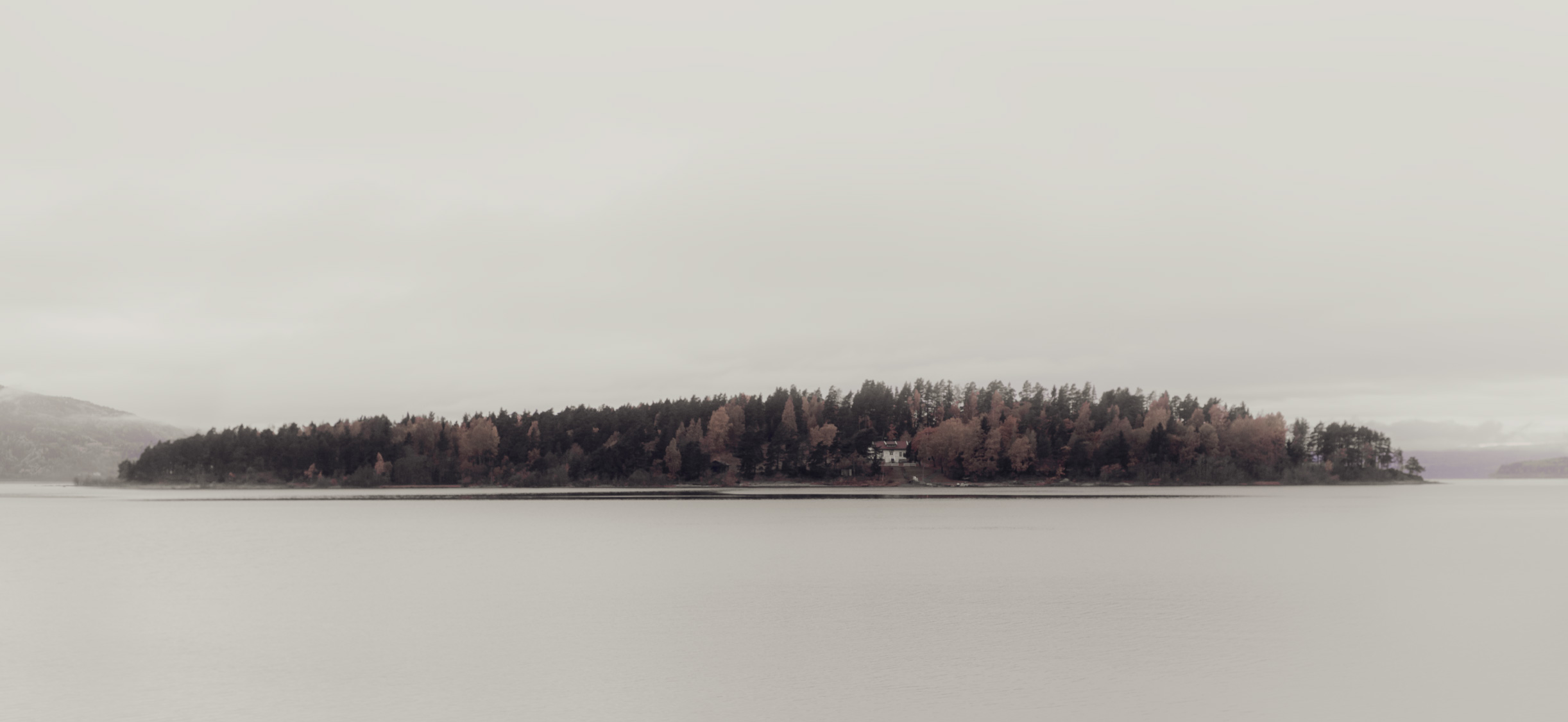
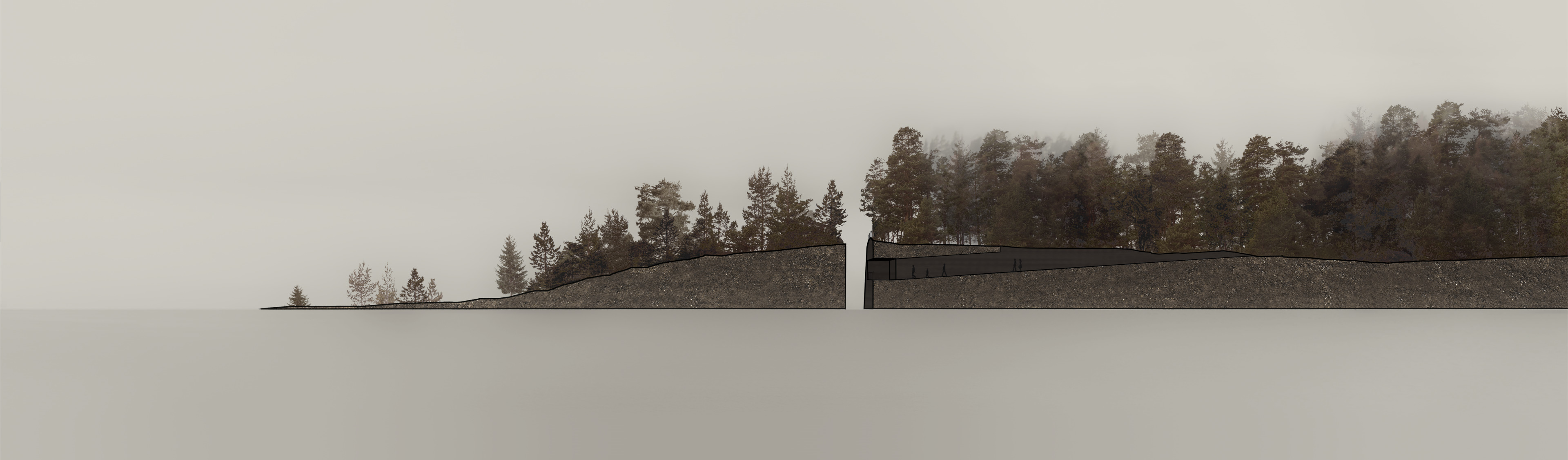
In Notes on a Memorial (2018) Dahlberg records with seemingly emotional detachment the trajectory of his close relationship to the events of the 22nd of July 2011, starting with the open call the Norwegian state made for a public memorial. Dahlberg’s winning Memory Wound proposed a cut in the Sørbråten peninsula which looks out towards Utøya, a permanent rupture, a reminder of the finality of the victims’ loss.
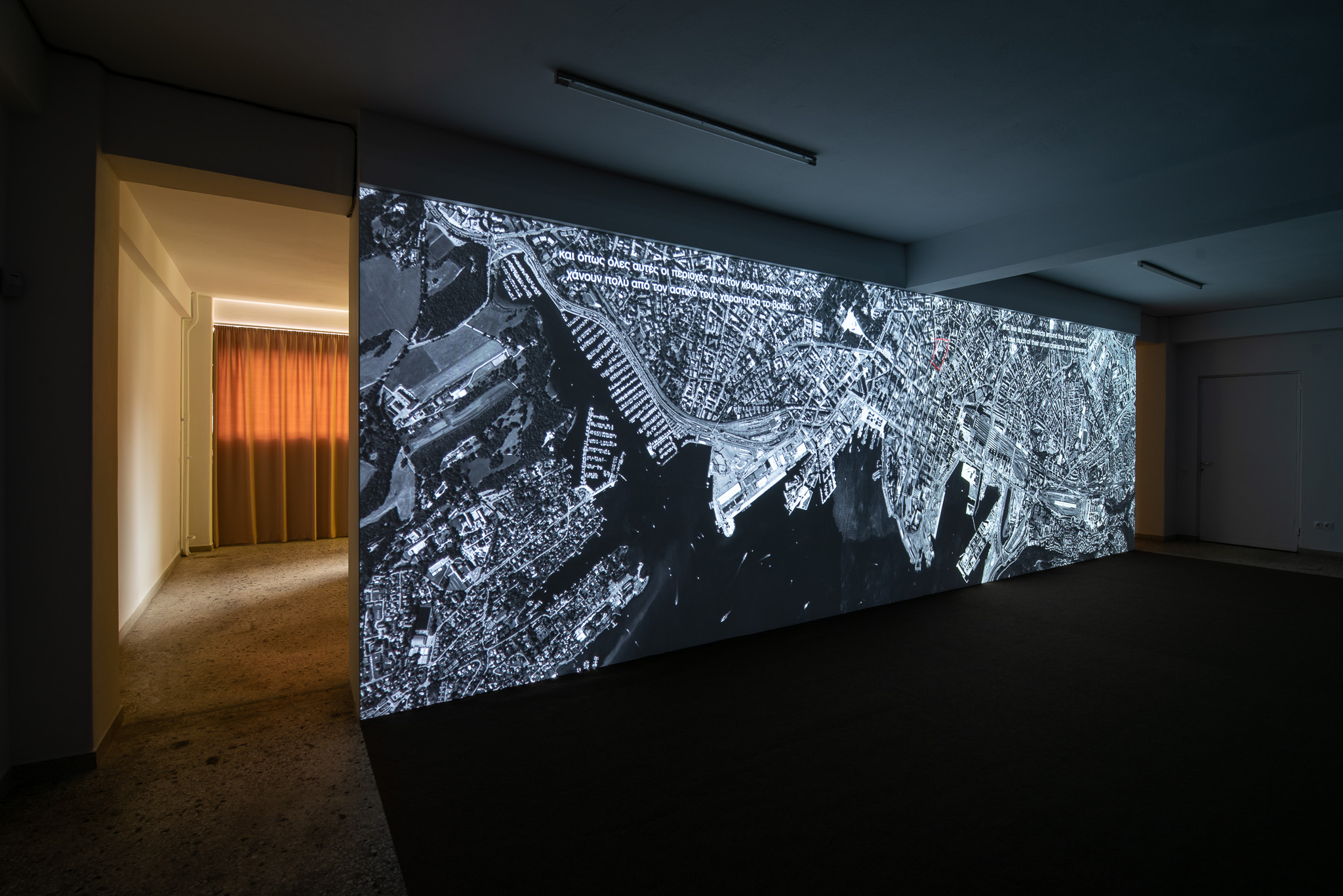
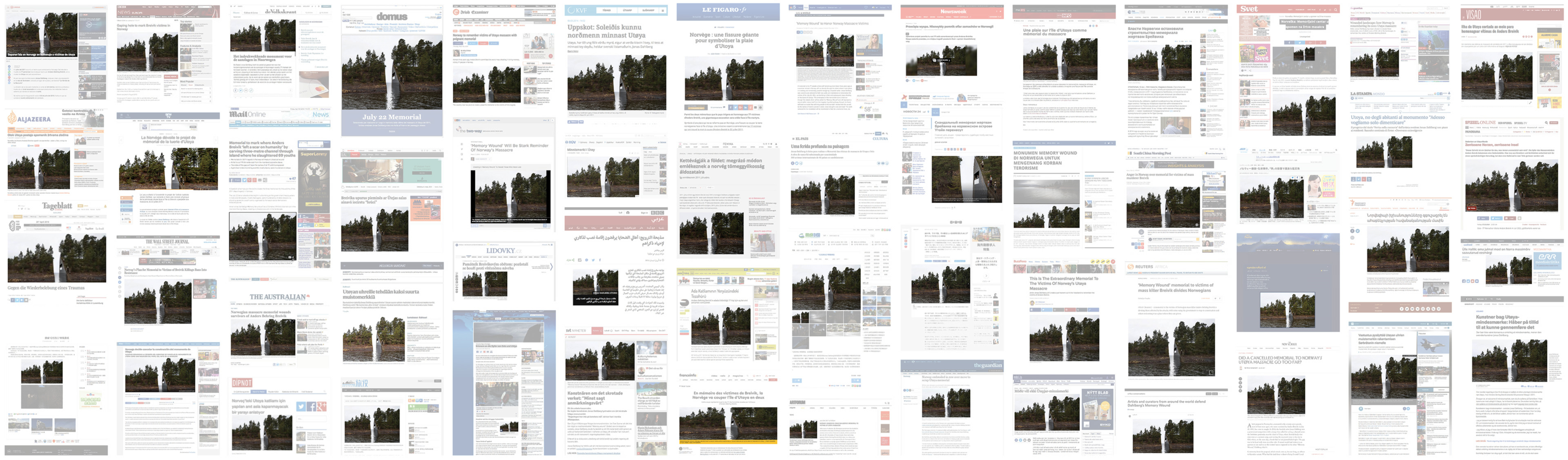
During the 27:55 minutes that the film unravels, we follow the minutiae of a sequence of events – the terrorist attack, the design process leading to the proposal, the selection of Dahlberg’s proposal Memory Wound, the media noise and ensuing public reaction culminating in the cancellation of the memorial in parallel with a more personal loss, that of Dahlberg’s very own father. Notes on a Memorial is a dense journey in time, a dark narrative born of trauma, mourning, memories and what comes next.
The primary material of the film is an endless landscape of information constructed exclusively out of digital imagery and data, using different software, satellite views and statistics. In contrast to the Scandinavian noir chiaroscuro qualities that was typical of previous films with their silent heat and empty sets and scenes: darkness now can be found in real life. A thin red line flows likes blood in the diagrams, the heart beat perhaps of this storyline. Dahlberg does not step back, instead his own voice narrates his personal experience of events imbued with his faith that public sites where memories can hold are essential to overcoming trauma. The film is deeply personal and yet, the main protagonist is an all-encompassing landscape: internal, external, digital, political and ultimately physical. It’s a quiet voyage of our mind’s eye with no clear-cut absolution.
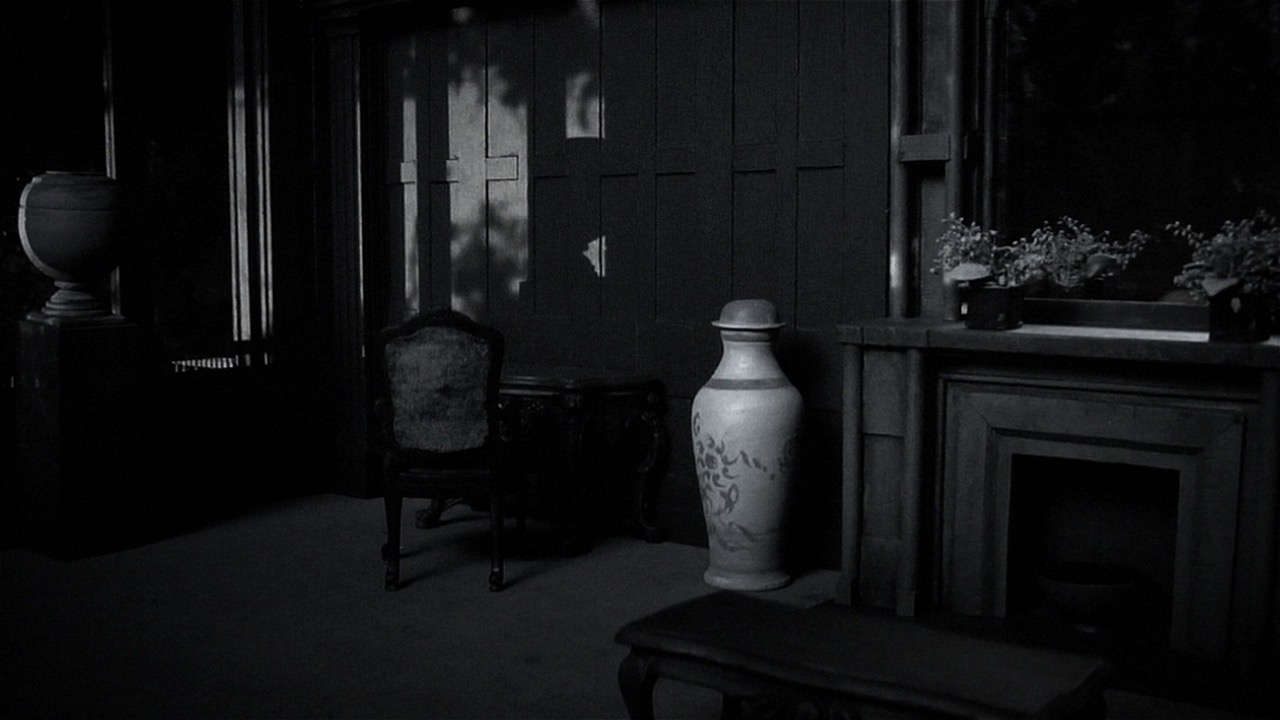
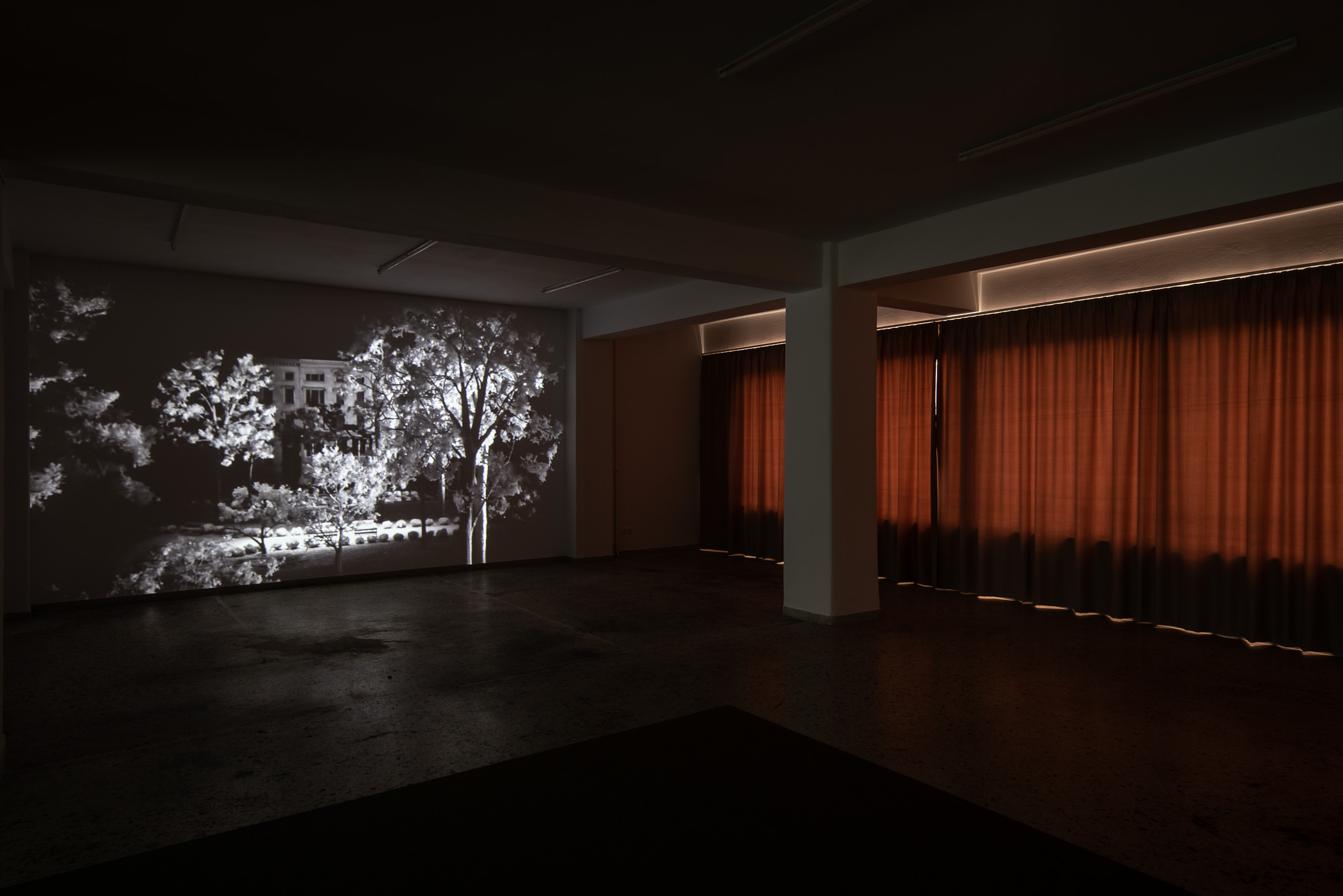
View Through a Park (2009) seems at first intensely cinematic. Using traditional narrative tools our gaze follows the constant flow of the camera in and out of private and public space. In flux, inwards and outwards void of life. The city portrayed is disturbingly empty, a vacuum of a home. Who has the right to enter the locked public park? To whom does this space belong and where has everybody gone? Without hints or explanations we are lead once again into a darker internalized place where an eerie feeling resounds, suggestive of something abnormal lurking in the absoluteness of the film’s silence.
In Dahlberg’s work landscape is a constant. Now, this gaze is transported right here to our own context, opening up to other potential mediations and narratives. Both works exhibited raise questions which lie at the core of our new space TAVROS and locus athens’ curatorial approach: the variable shifts and turns of public speech, the dividing lines between public and private space, the construction or the erasure of memories, art in public space and the multiple turns of language, place and identity.
Using Dahlberg’s works as a springboard for conversations, TAVROS in collaboration with insidestory.gr, the subscription-based news website that focuses on long form journalism in Greece, is organising a parallel programme of talks.
PUBLIC PROGRAMME
Monday, 11 November 2019, 18:00-20:00 | Discussion
Shared stories from (un)safe places
Speakers: Amina Moskof (psychotherapist), Thalia Portokaloglou, Ribwar Qobadi (interpreter and poet)
Moderator: Katerina Oikonomakou (journalist)
How do how we talk about trauma and how do we come together for healing? Everyday conversations, small steps, extraordinary bravery, the pitfalls and escapes offered by language, drama and expression. Touching upon the often painful, a talk on pasts and promising futures.
Amina Moskof – works privately as a psychoanalytic psychotherapist. In the past five years she supervises professional groups working in the refugee field (Babel, center for mental health for migrants and refugees), Thalia Portokaloglou – collaborates with Melissa Network creating an innovative psychotherapy scheme for women refugees, Ribwar Qobadi – interpreter and poet.
Katerina Oikonomakou’s new book Estrogo Nahama: The Singer of Auschwitz, Thessaloniki 1918 – Berlin 2000 has been published by Kapon Publishing house.
Monday, 9 December 2019, 18:00-20:00 | Discussion
How do we Remember not to Forget?
Speakers: Tassos Sakellaropoulos (head of the Department of the Historical Archives of the Benaki Museum), Alexandra Stratou (Architect AAdipl adjunct lecturer School of Architecture Patras University)
Zafos Xagoraris (artist who represented Venice in the 58thVenice Biennial)
Moderator: Alexandros Massavetas (journalist and author whose books are published by Patakis Publishing house)
Thinking about remembrance and public space and with what tools and strategies can collective memories be shared: how can memorials affect the way we live and remember in city-space, and ultimately then, how long does it take to forget?