unfortunately, it was paradise



Duration
Curation of the screenings
Technical manager
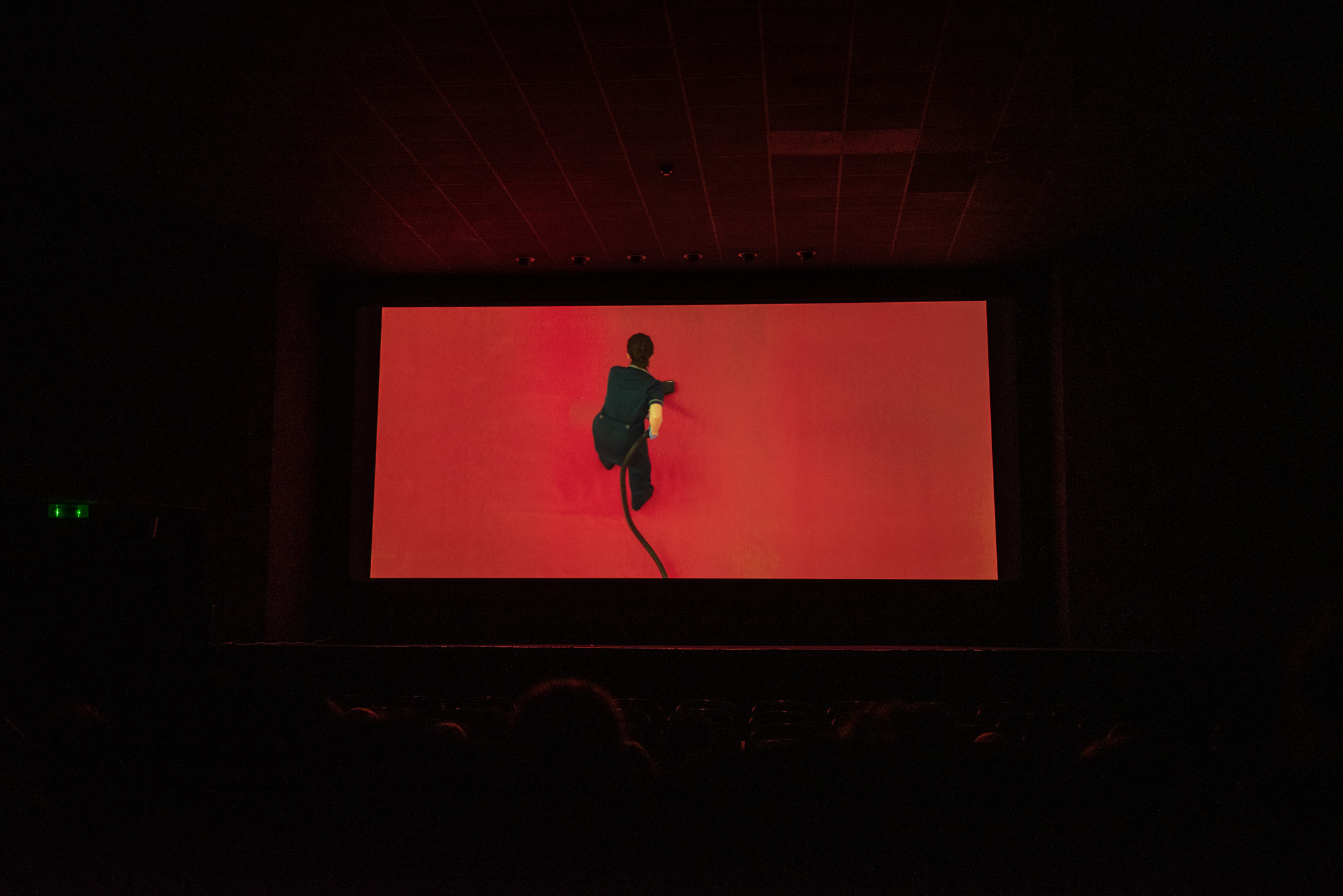
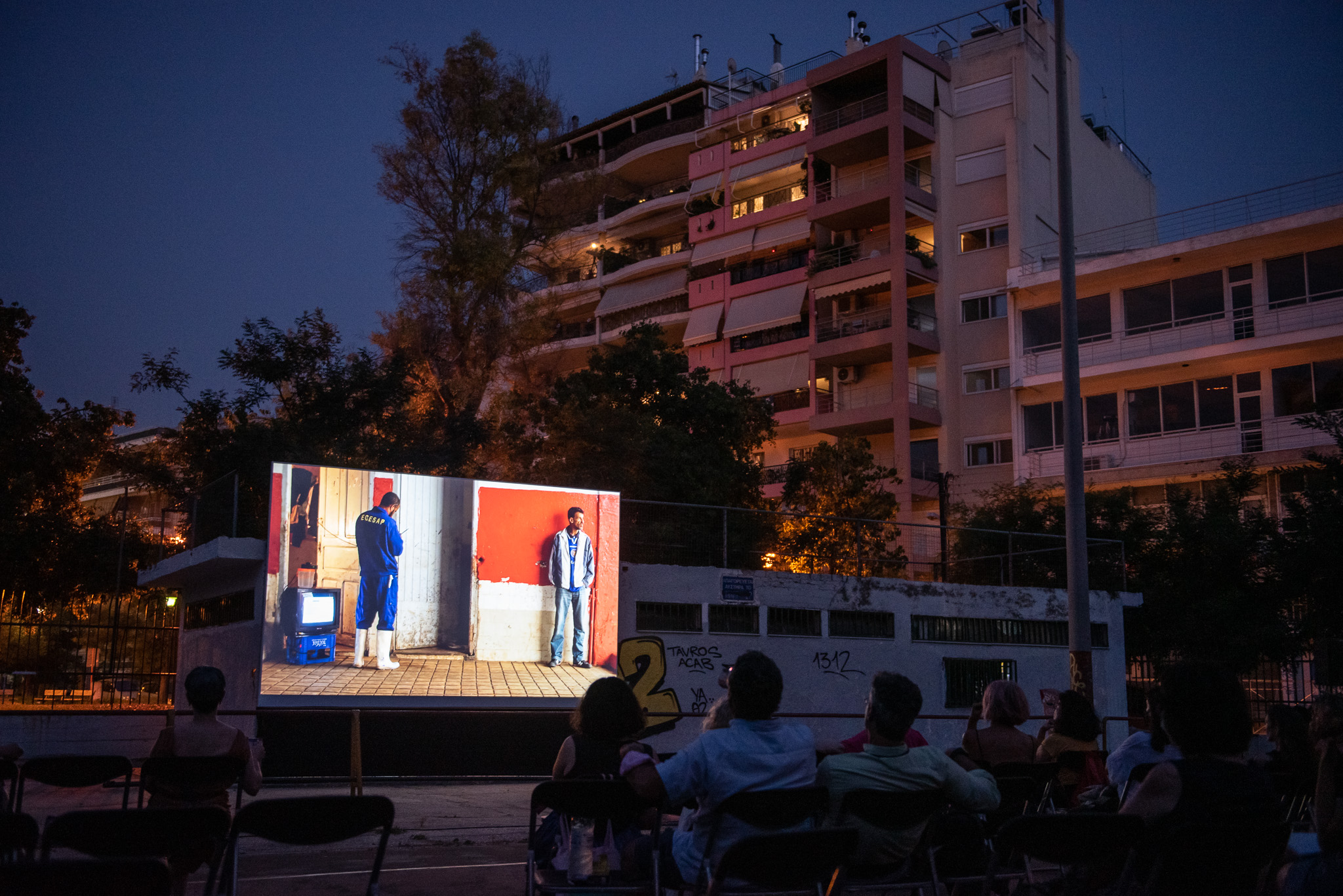
Unfortunately, It Was Paradise was a screening series at TAVROS that presented Greek, Middle Eastern, and North African films of various forms. The curatorial approach aimed to highlight how these films reflect one another, engaging with shared themes that resonate with the history of the Tavros area and its residents. The filmmakers—both contemporary and earlier—seek to bring to light secondary narratives emerging in times of sociopolitical unrest, which were deliberately left uncovered by mainstream media.
The title of the series is inspired by the book Unfortunately, It Was Paradise: Selected Poems by Mahmoud Darwish.
In parallel with the program Unfortunately, It Was Paradise, the organization AIN, in collaboration with TAVROS, invited filmmakers, artists, curators, and activists to reflect on the issues explored by the films screened at TAVROS. This led to the creation of the parallel program Correspondences: a series of texts, visual essays, and online discussions that allow multiple readings of the selected films to unfold over time.
Chapter 1 | Film screening with live score
Movie:
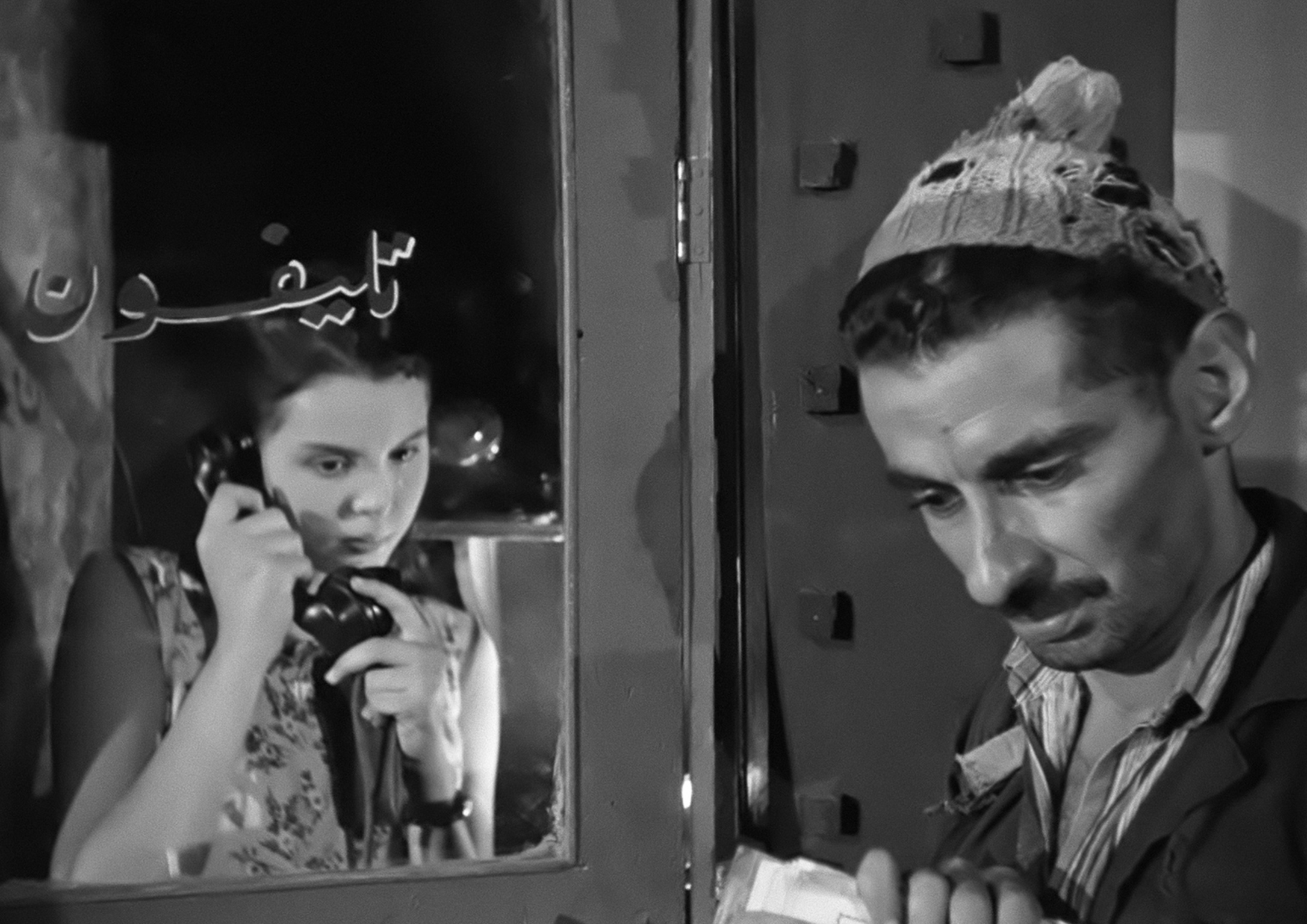
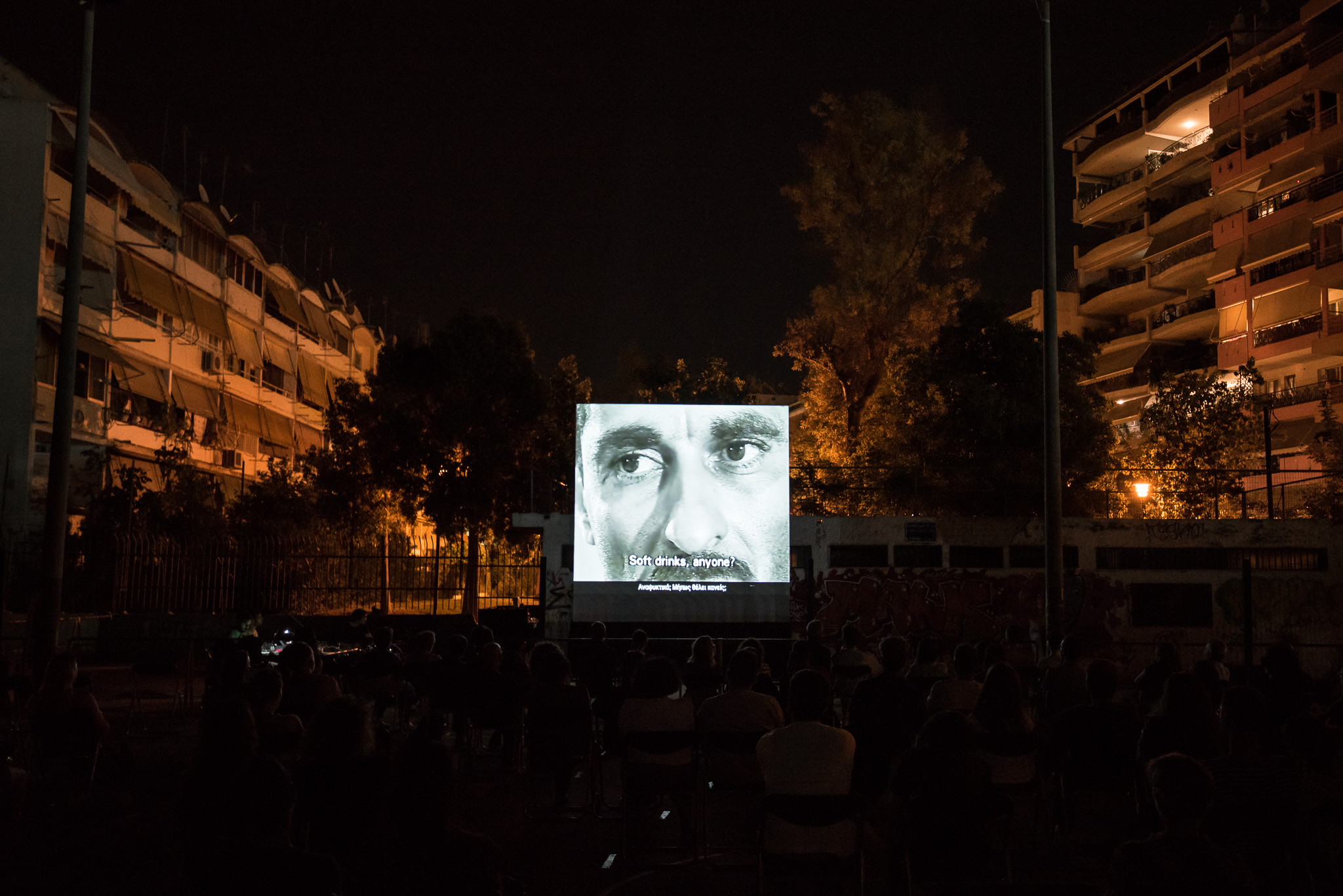
Cairo Station, Youssef Chahine, Egypt, 1958, 74 minutes, in Arabic and Egyptian Arabic with English and Greek subtitles.
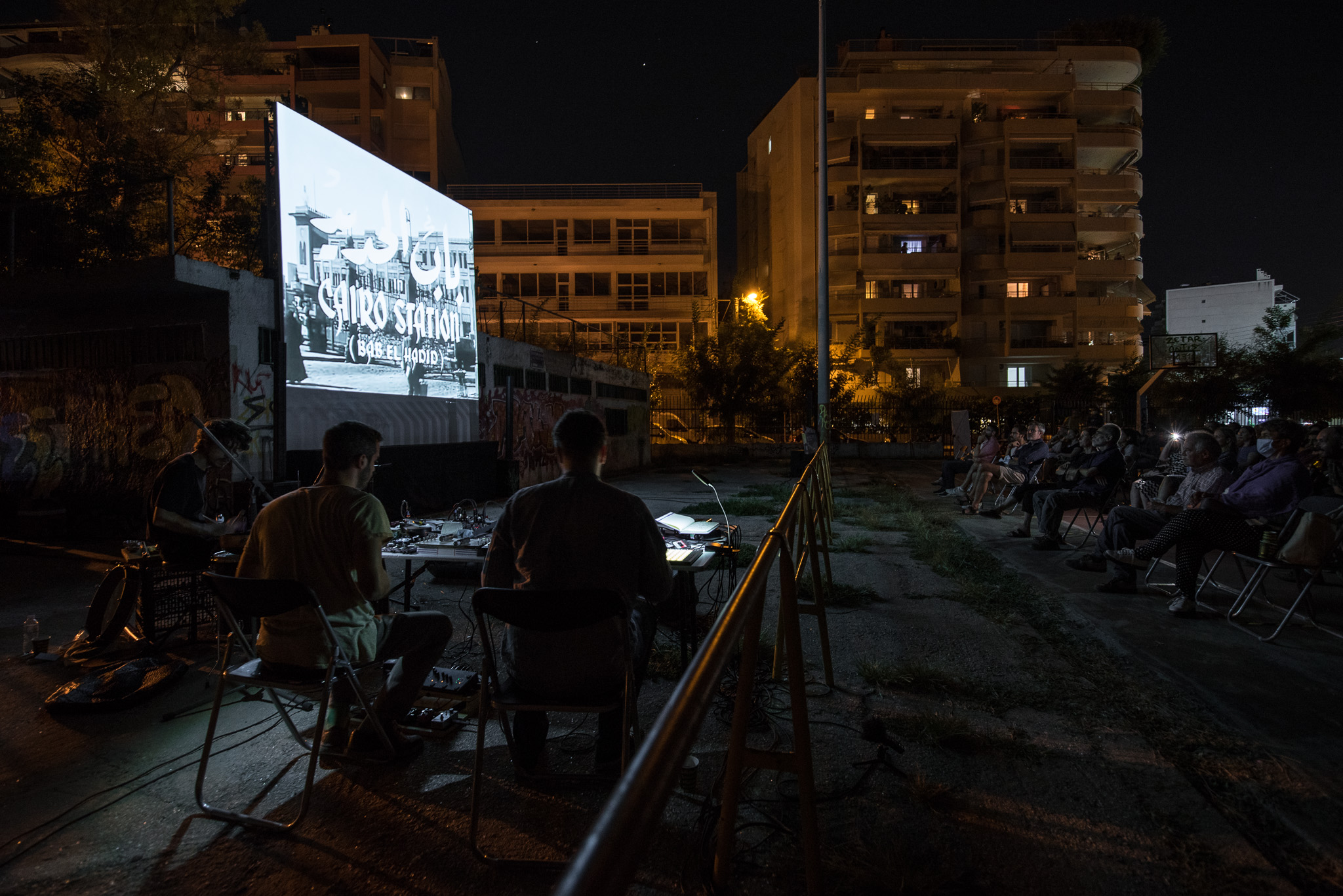
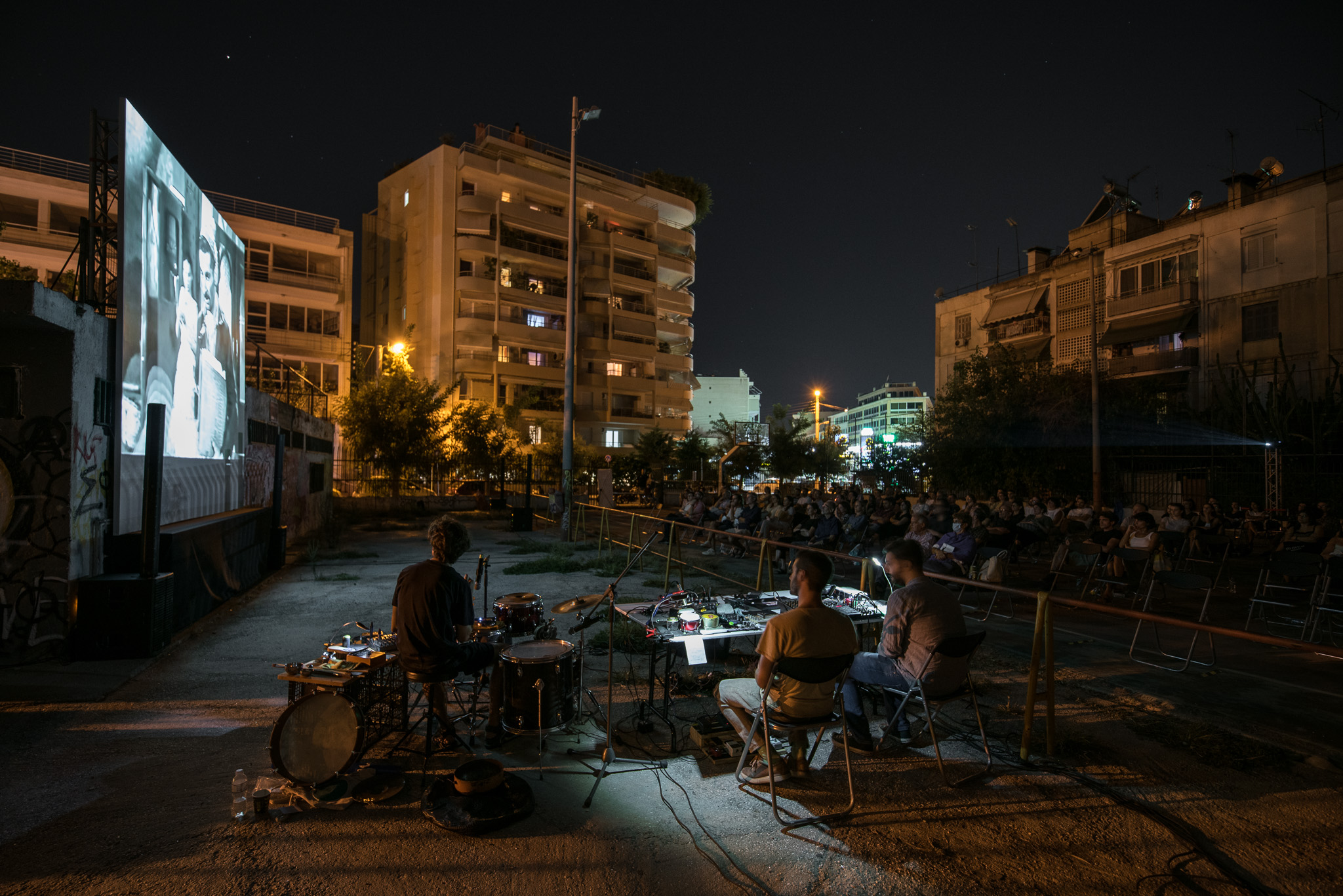
Original music composition by Giorgos Stavridis, Giorgos Stenos, and Giorgos Myzithras.
Recognized as a classic work of international cinema, the film Cairo Station pays tribute to the golden age of American musicals. To highlight this musicality, we invited Giorgos Stavridis, Giorgos Stenos, and Giorgos Myzithras—members of the group Trigger Happy—to use their sonic experimentation to create a contemporary dialogue with the film.
Chapter 2 | Film screenings and discussion
Movies:
At Home, Athanasios Karanikolas, Germany/Greece, 2014, 103 minutes, in Georgian and Greek with English subtitles.
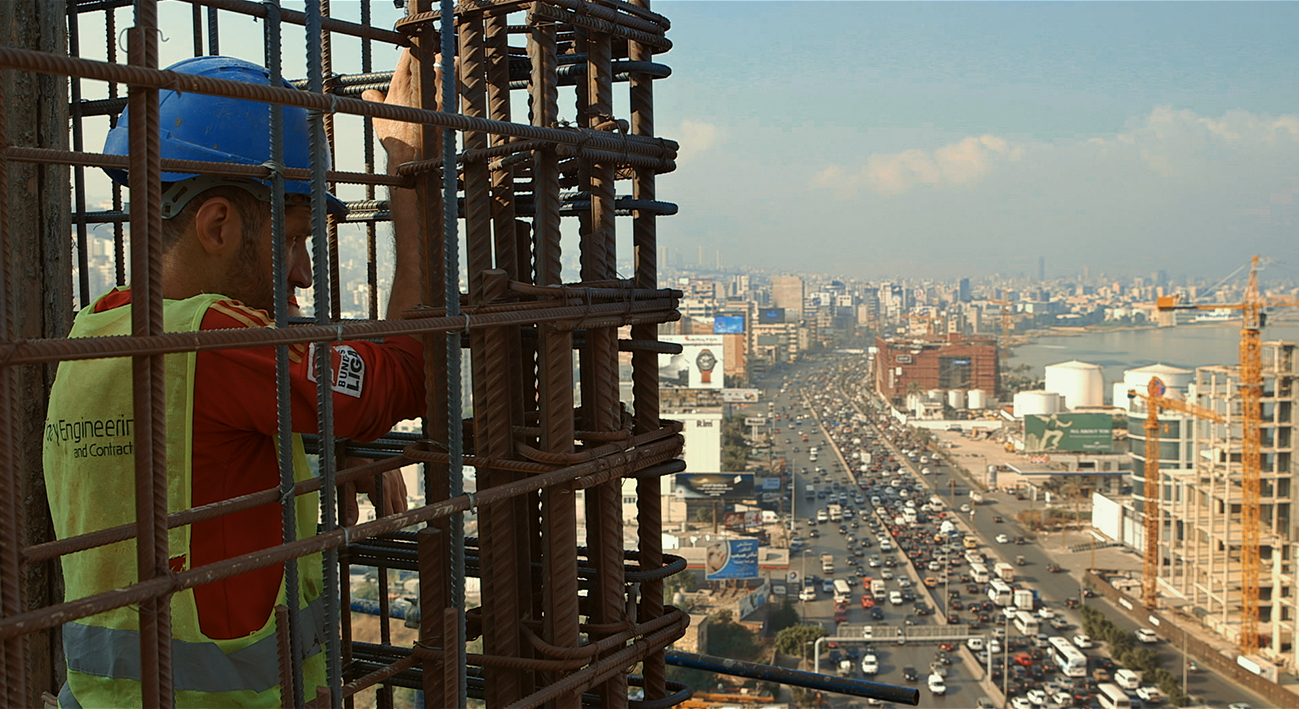
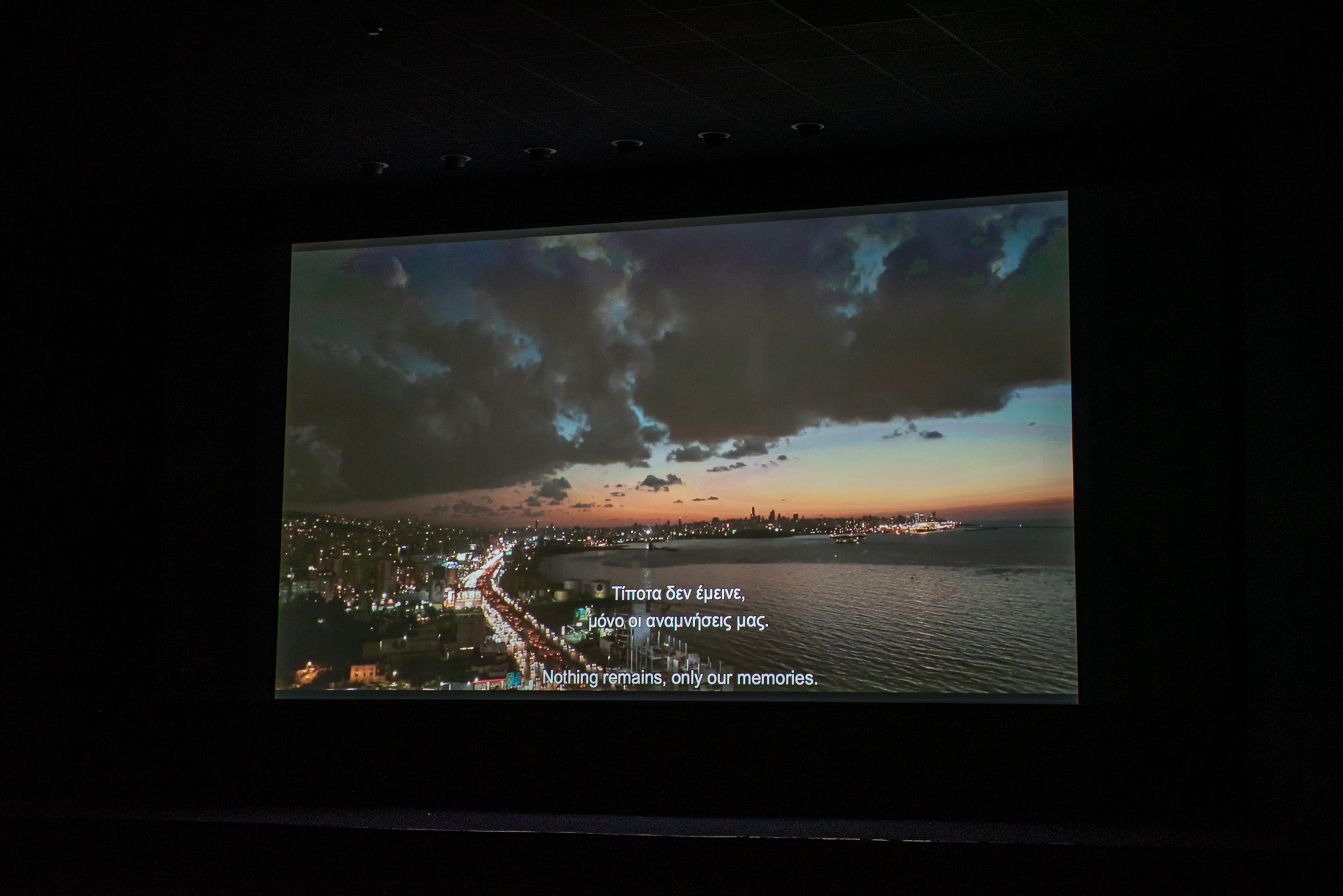
Taste of Cement, Ziad Kalthoum, Germany/Lebanon/Syria/United Arab Emirates/Qatar, 2017, 85 minutes, in Arabic with English subtitles.
These two films—one fiction and one documentary, respectively—explore the concept of home and the loss of homeland. Through striking imagery and sensitive, poetic narratives, the filmmakers approach the uncomfortable issue of modern-day slavery from two diametrically opposed settings.
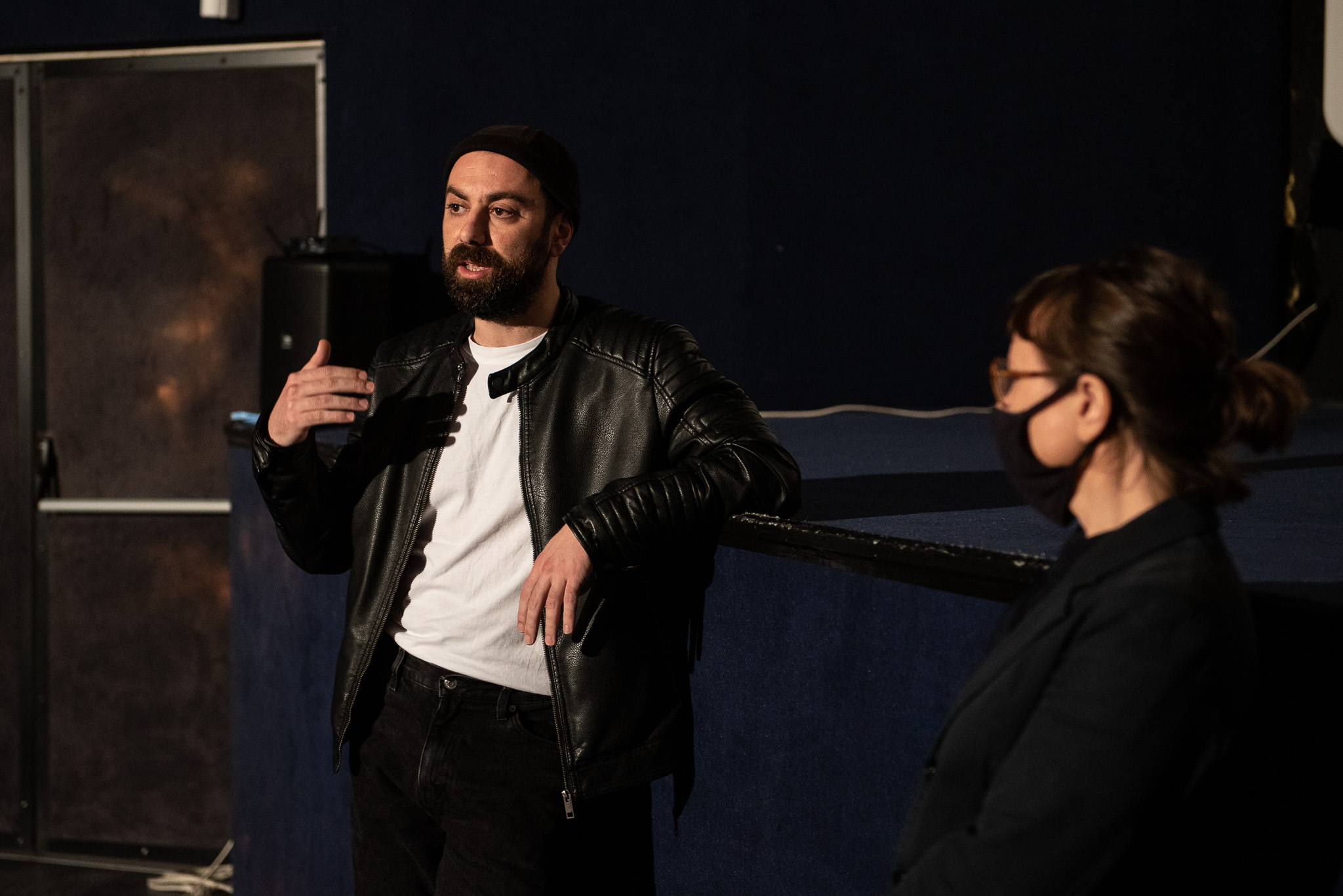
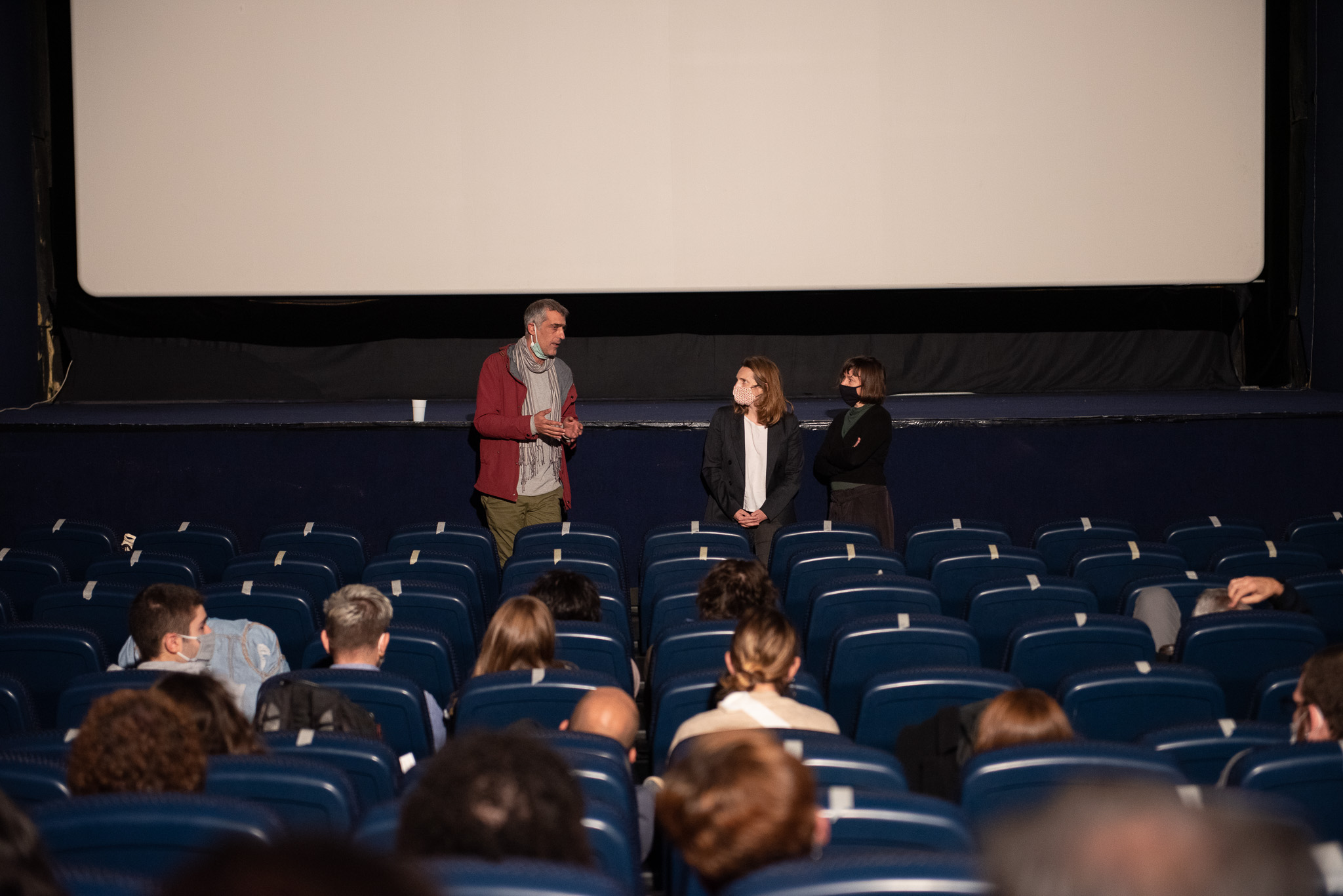
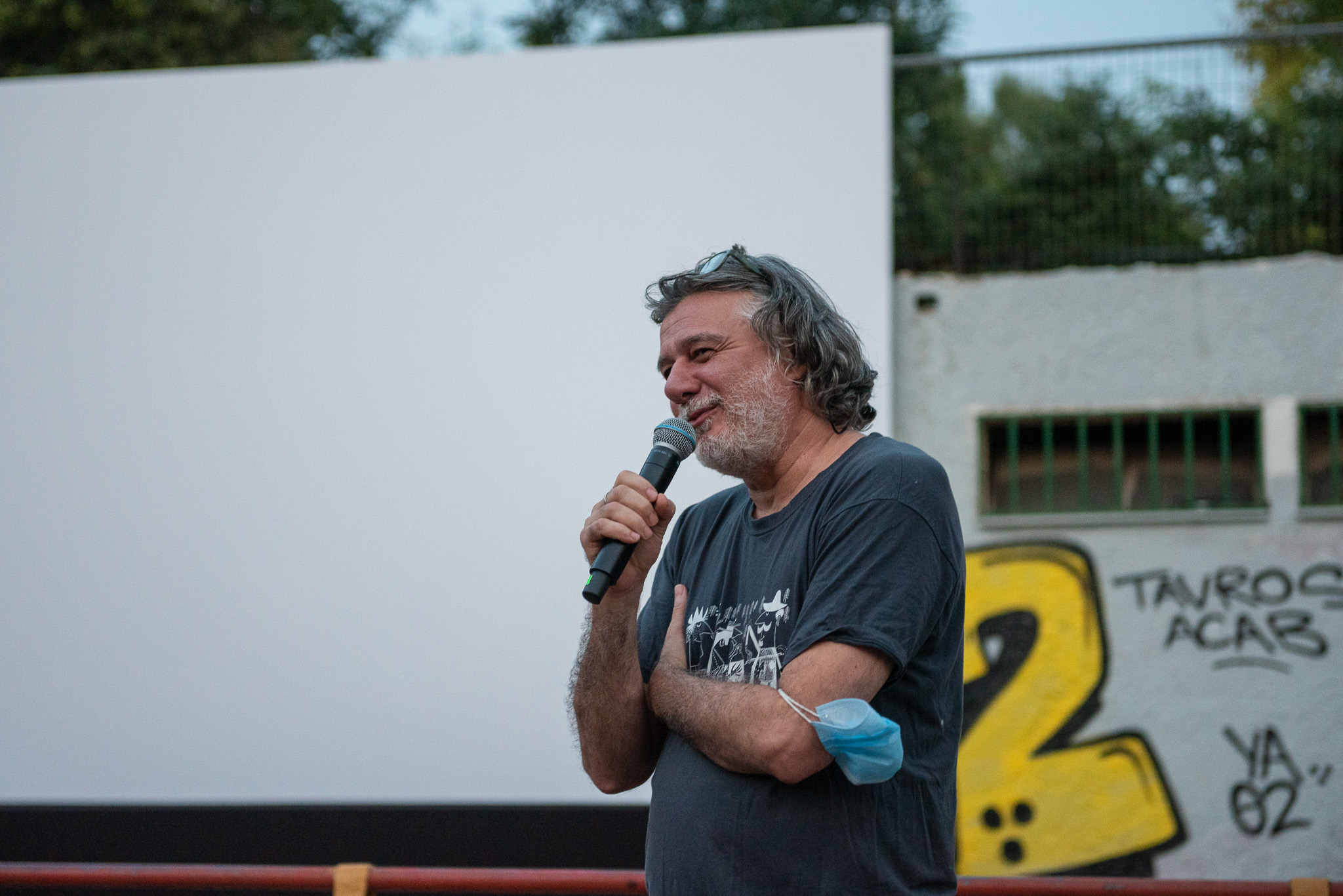
Following the screening of the documentary Taste of Cement, a discussion with the director took place.
Chapter 3 | Film screenings and discussion
Movies:
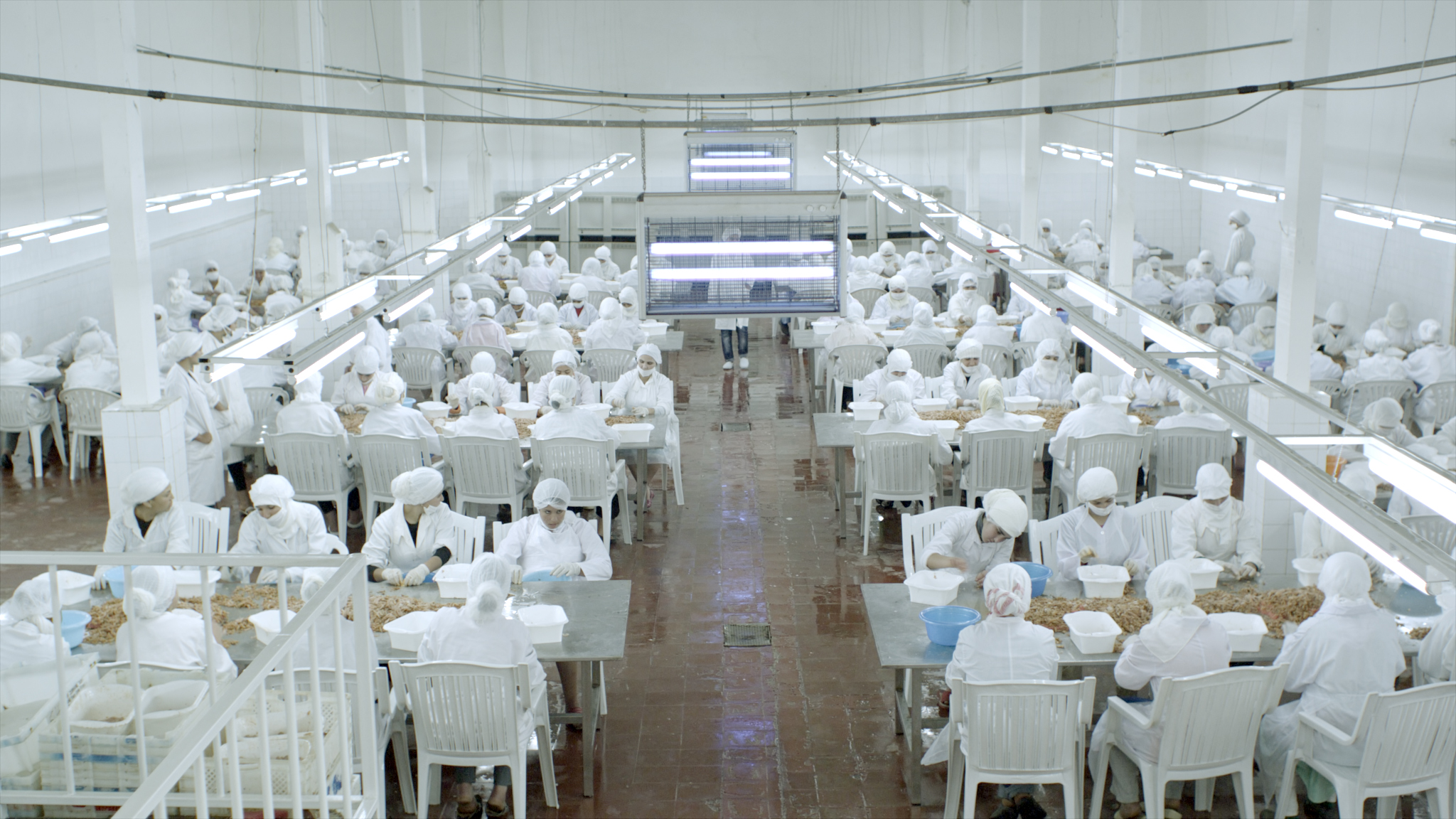
On the Edge, Leïla Kilani, Morocco/France/Germany, 2011, 106 minutes, in Arabic with Greek subtitles.
Her Job, Nikos Labôt, Greece/France/Serbia, 2018, 89 minutes, in Greek with English subtitles.
Two fictional narratives bring to light the struggle for female empowerment in a toxic environment. The battle of the films’ female characters for personal autonomy turns into a fight for survival amid the socio-economic turmoil of contemporary Morocco and Greece.
Following the screening of Her Job, a discussion with the director took place.
Chapter 4 | Film screenings
Movies:
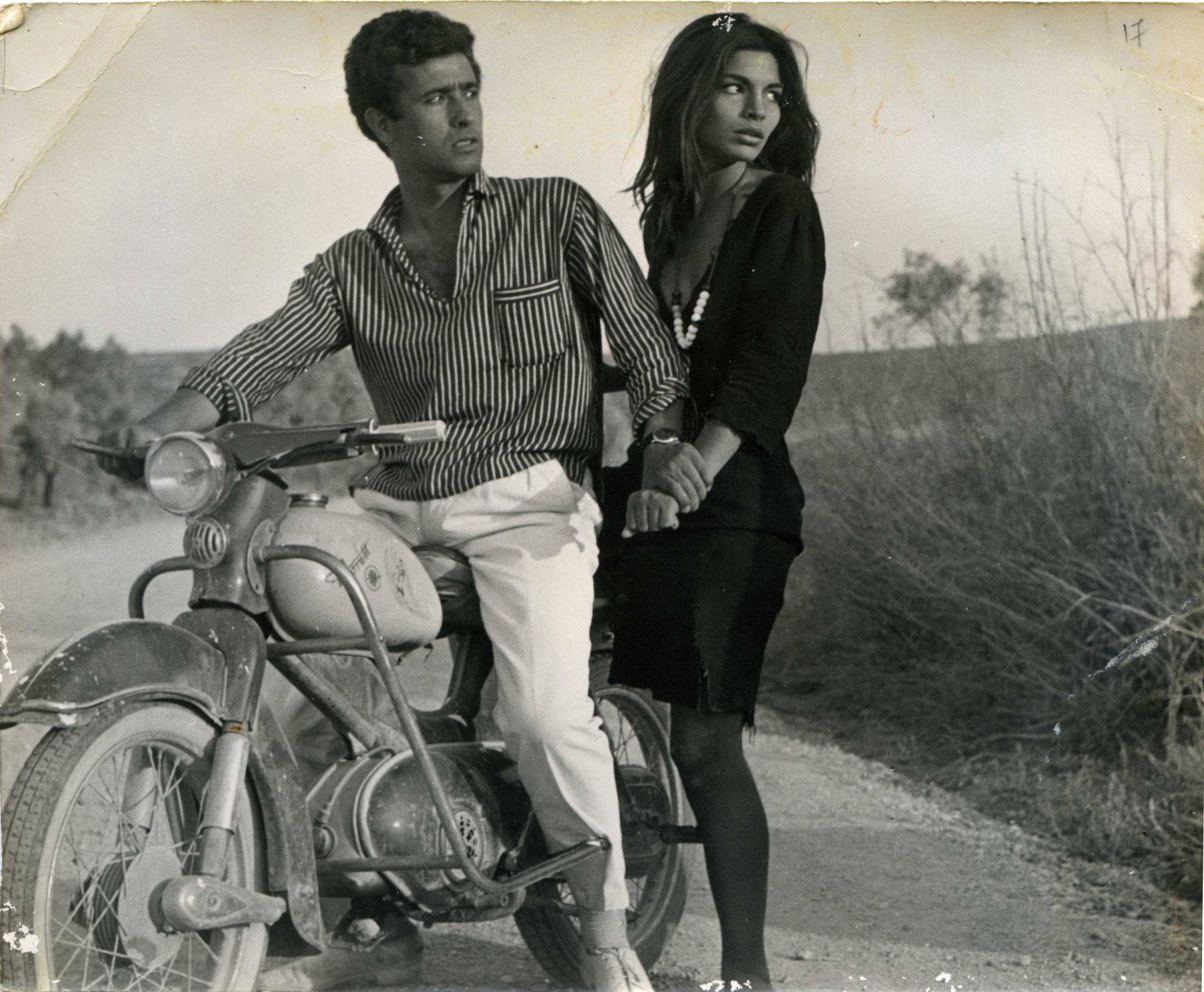
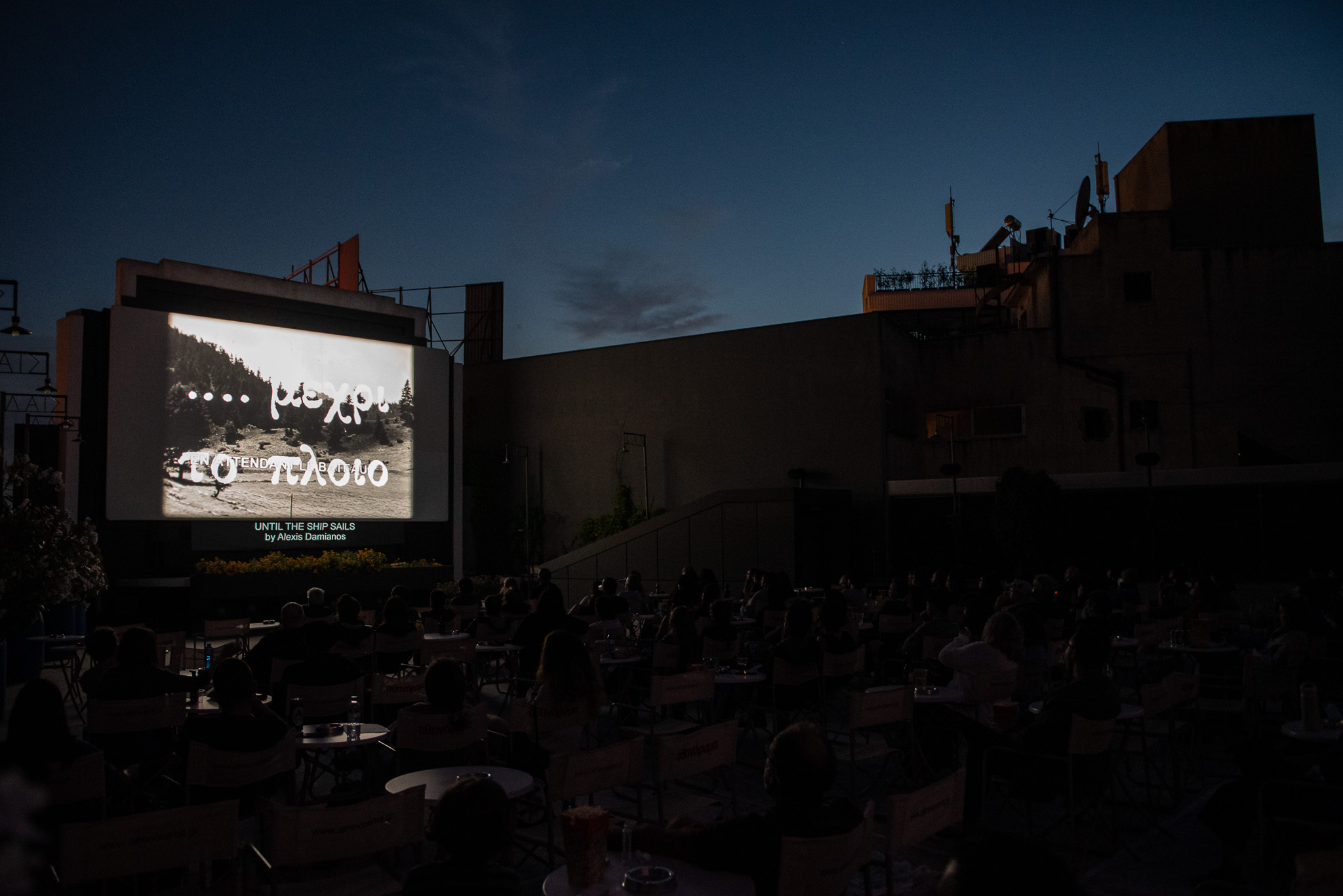
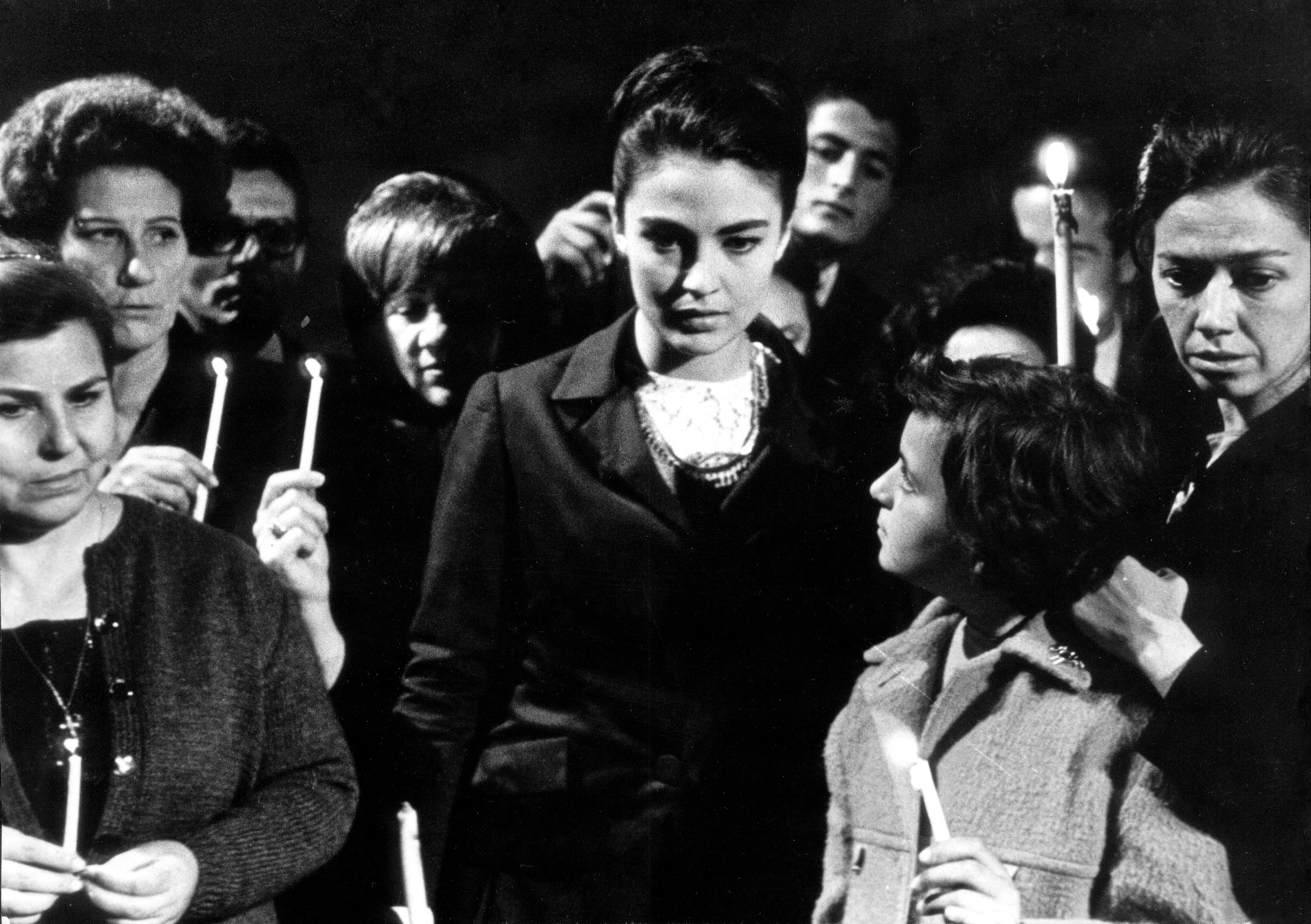
Until the ship sails, Alexis Damianos, Greece, 1966, 93 minutes, in Greek with English and Arabic subtitles.
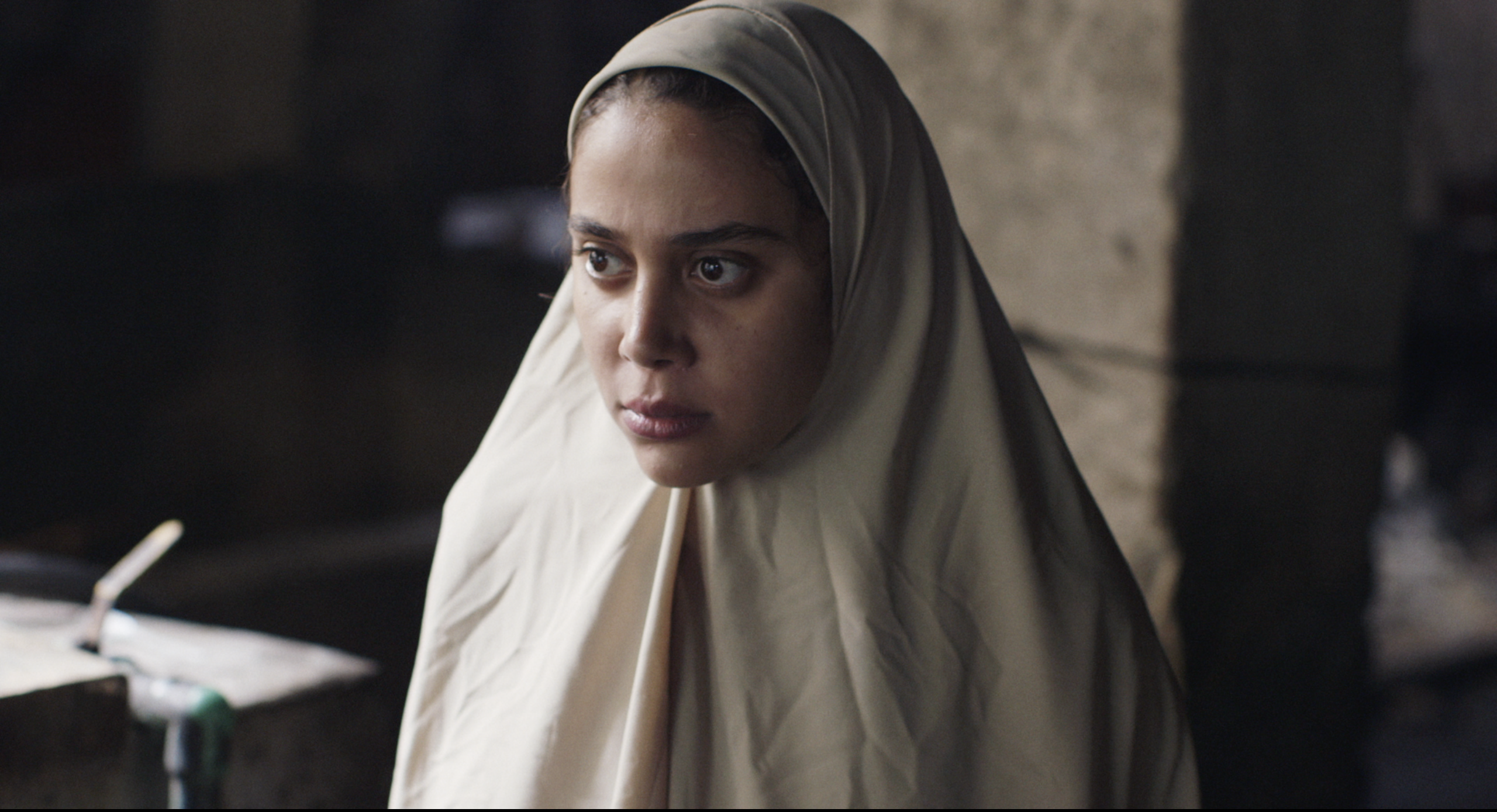
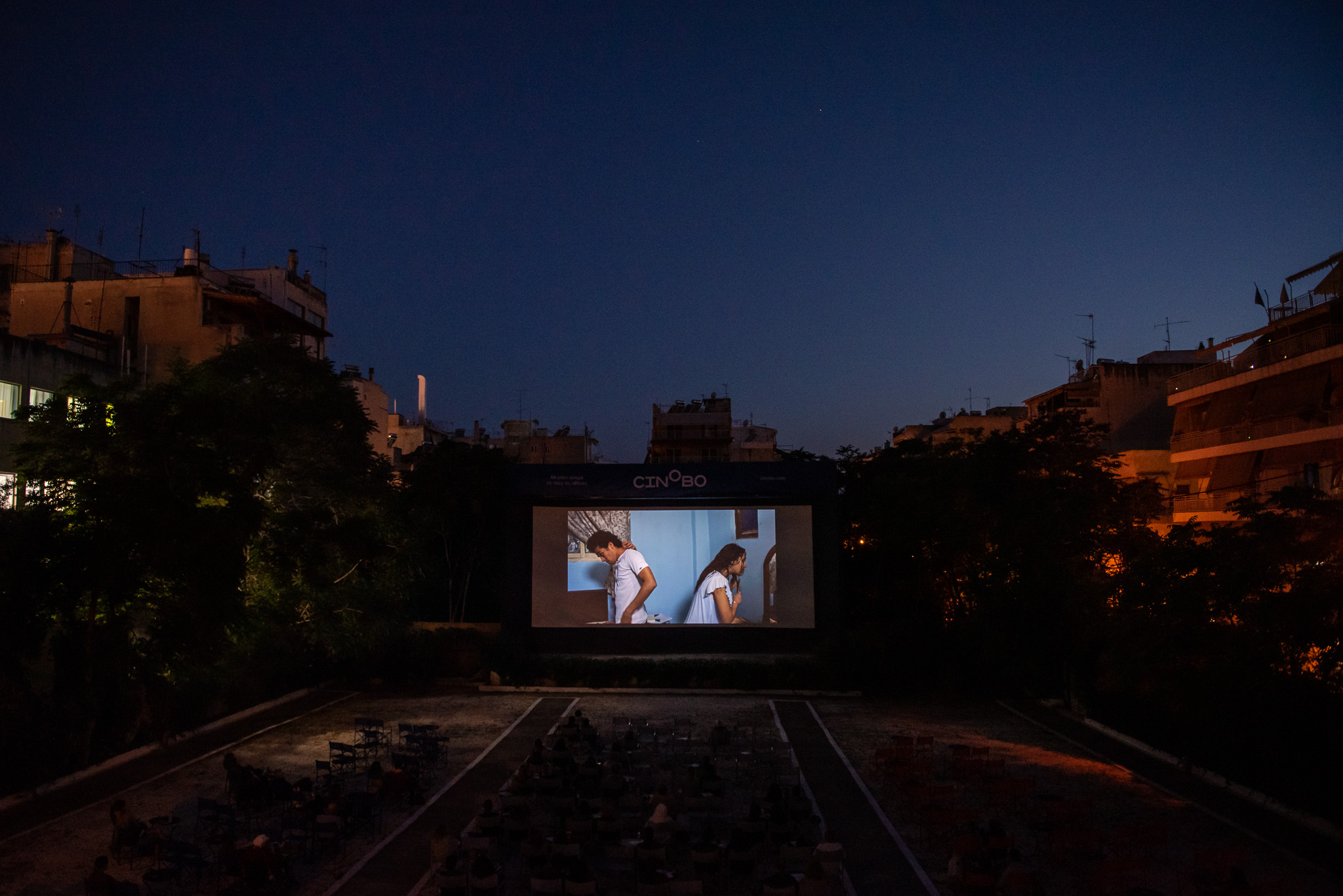
Poisonous Roses, Ahmed Fawzi Saleh, Egypt/France/Qatar/United Arab Emirates, 2018, 70 minutes, in Arabic with English and Greek subtitles.
The film Until the ship sails tells the journey of a rugged mountain man, portraying the inner drama of the outcasts who are unable to put down roots anywhere. Through three episodes, it presents three stages of a man’s evolving sexuality.
The film Poisonous Roses follows Saqr, who wants to leave the old tanneries of Cairo to go to Italy. Based on the cult novel Poisonous Roses for Saqr (1990) by Ahmed Zaghloul Al-Shiti, Saleh’s bold adaptation transforms the novelist’s lucid text into an elliptical narrative. It is both a wild and human, brutal and beautiful portrait of Cairo’s working class.
Chapter 5 | Film screenings
Movies:
Ceuta’s Gate, Randa Maroufi, France/Morocco, 2019, 19 minutes, in Arabic and Spanish with English and Greek subtitles.
Pre-Image (Blind as the Mother Tongue), Hiwa K, Germany/Greece, 2017, 18 minutes, in English with Greek and Arabic subtitles.
The Longest Run, Marianna Economou, Greece, 2015, 74 minutes, in Arabic, Kurdish and Greek with English and Greek subtitles.
In an outdoor screening of the series Unfortunately, It Was Paradise, three films were presented that explore the nature of borders, the fragile movement of bodies, and the instability of transitional states. These films form an intellectual journey into the complexities and constraints of movement and belonging, origin and arrival.
Chapter 6 | Film screenings
Movies:
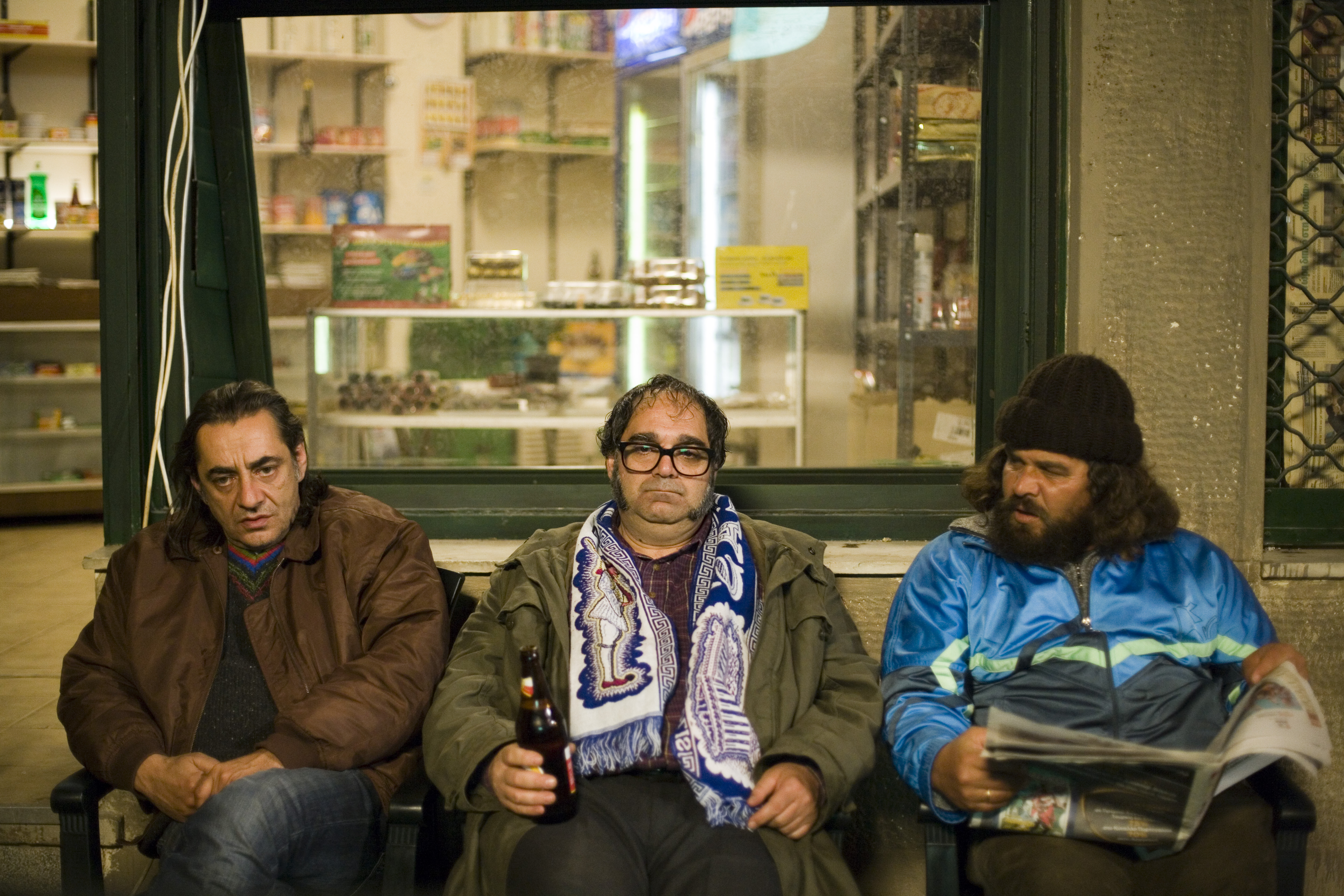
Plato’s Academy, Filippos Tsitos, Greece/Germany, 2009, 103 minutes, in Greek with English and Arabic subtitles.
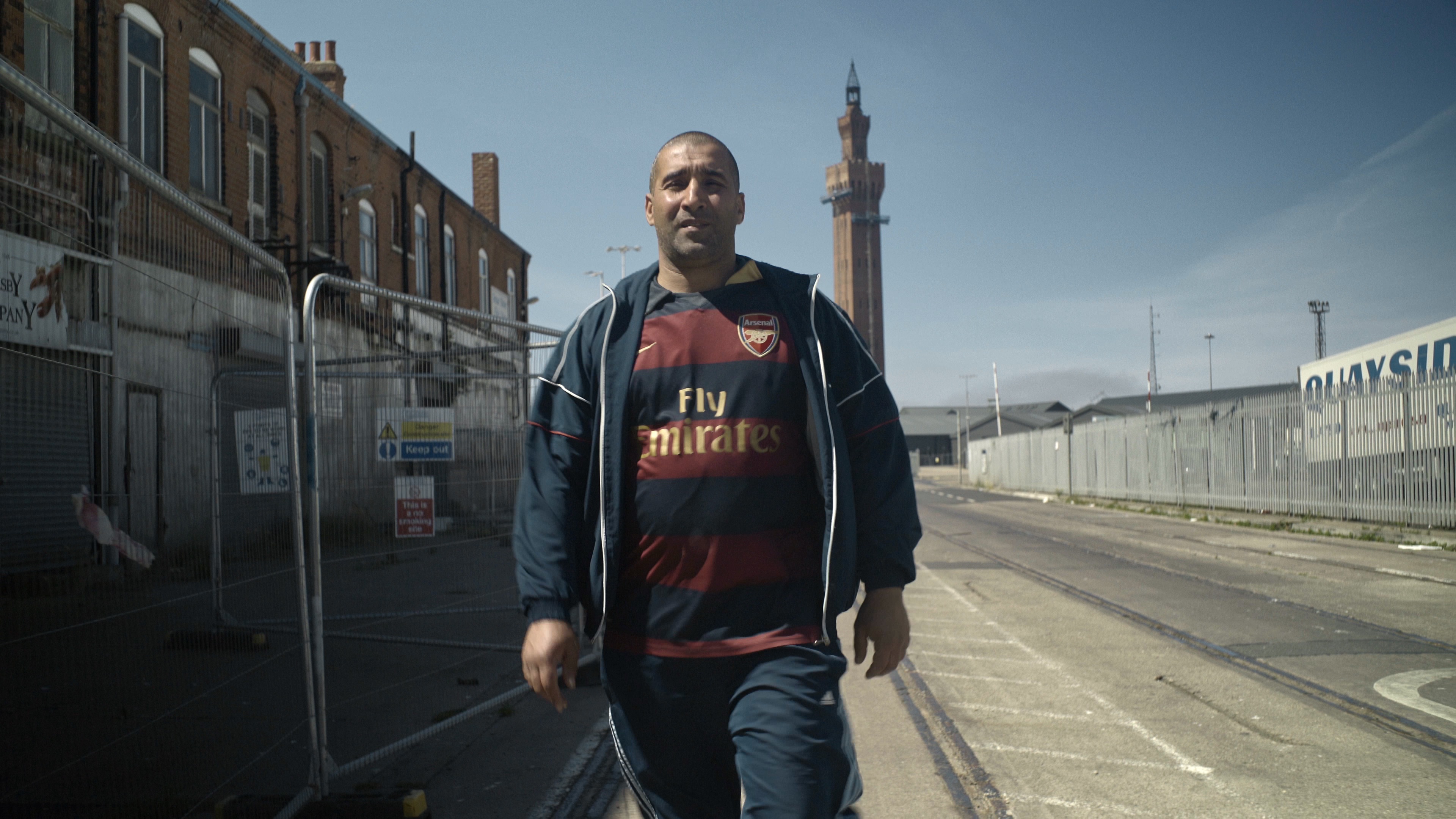
My English Cousin, Karim Sayad, Switzerland/Qatar, 2019, 122 minutes, in English and Arabic with English and Greek subtitles.
The two films screened in the sixth chapter of Unfortunately, It Was Paradise take place in locations that, reflecting their protagonists, are undergoing moments of critical transition: Brexit in England, the Hirak movement in Algeria, and the economic crisis in Greece. With tenderness and humour, the directors explore an issue that runs through their broader filmographies: the notion of masculinity in the contemporary social context.
Chapter 7 | Film screenings
Movies:
Roundabout in my head, Hassen Ferhani, Algeria/France/Lebanon/Qatar, 2015, 101 minutes, in Arabic with English and Greek subtitles.
The Shepherds of disorder, Nikos Papatakis, Greece, 1967, 121 minutes, in Greek with English subtitles.
The film Roundabout in my head follows the male workers of a slaughterhouse in Algiers. In this exclusively male-dominated environment, the characters unfold before the camera with complexity, fragility, and innocence, surrounded by animal carcasses that evoke Vanitas paintings. During their breaks, while smoking with indifference toward their surroundings, they discuss politics, their expectations for the future, and unfulfilled love.
In the film The shepherds of disorder, a poor Greek woman tries to marry off her shepherd son to the daughter of a wealthy landowner. The film explores the forbidden love between a rebellious shepherd from a rigid rural community and the submissive daughter of a wealthy conservative family. The climax comes with an engagement that functions as an erotically charged power game. Due to its provocative content and explicit references to the coup d’état, the film was banned in Greece until the fall of the dictatorship in 1974.