who knows what yesterday will bring?





Duration
Curation
Curation of digital publications
Contributing organisations
Who Knows What Yesterday Will Bring? is a program of films and online content from South-East Europe which brings together stories from different corners of the region with the aim of creating a valuable, necessary and enriching polyphonic critical discourse on our shared and contested histories.
The program’s title is inspired by a cynical maxim from the Stalinist period suggestive of the constant surprises the past holds for us, its uncertain and ambiguous impact on the unfolding of our futures, our utter helpnessness to predict. The movies selected in this program refer to the history of the 20th century and its indelible imprint on our collective memory, what the historian Eric Hobsbawm (1917-2012) called “historical mythology”. He argued that historic ‘reality’ is best understood through the prism of an era and a social class, whilst collective memory is shaped primarily by social contexts.
Using these thoughts as a starting point, Who Knows What Yesterday will Bring? will ask key questions such as how much do we in the Balkans know about our overlapping histories, contested narratives and multiple perspectives? How are these shared histories represented through images and what new urgent stories can we tell? And truly, who knows what else yesterday will bring?
The films selected will tackle, sometimes with poetry, at times out-right humor, curiosity and sense of derision, decisive issues such as common conflicts of the past, how they still undermine regional understanding, alongside how history can be endlessly read, re-read and re-written; how at a moment when civil societies seem increasingly fragile it is important to remember, critique and simultaneously reimagine our future.
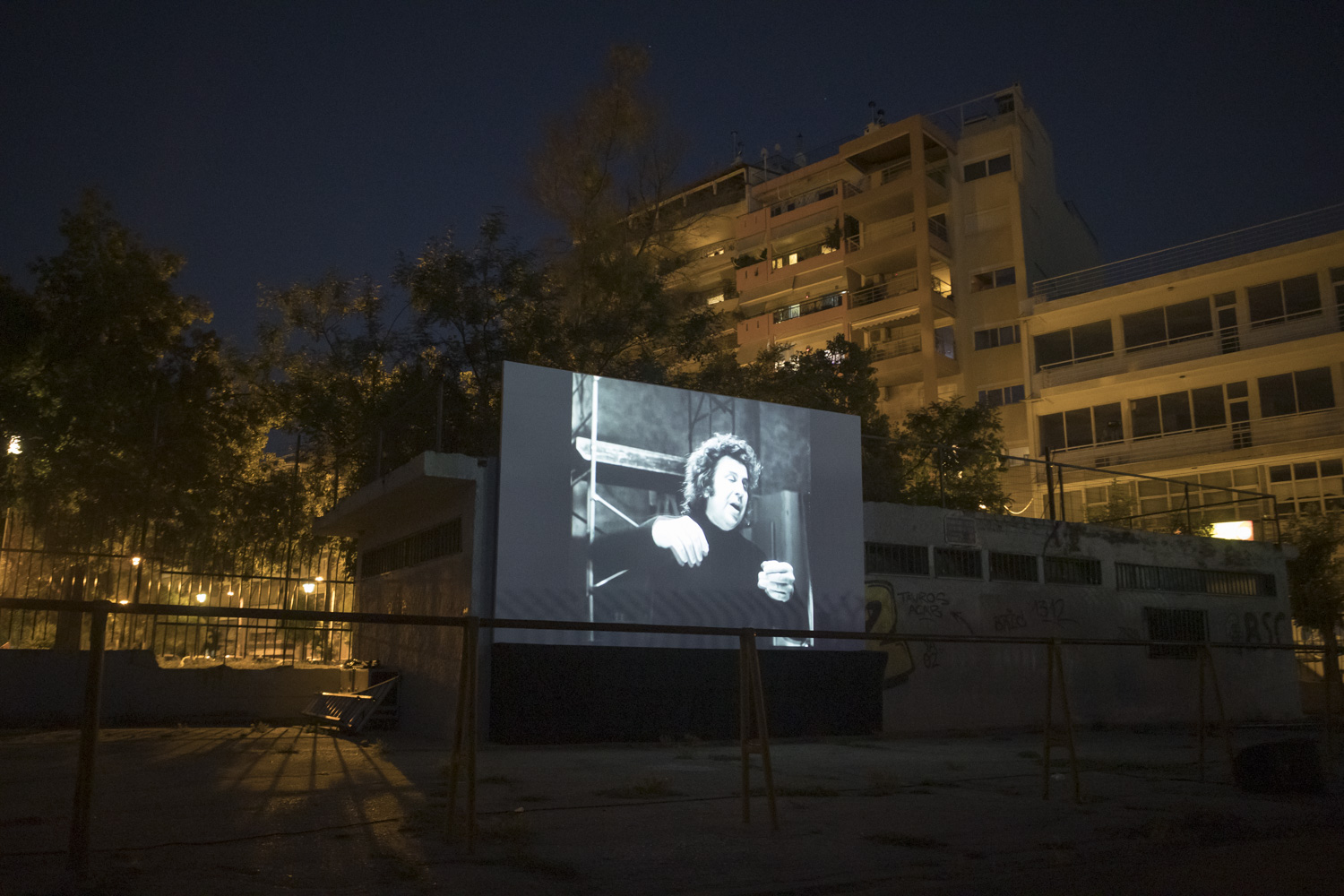
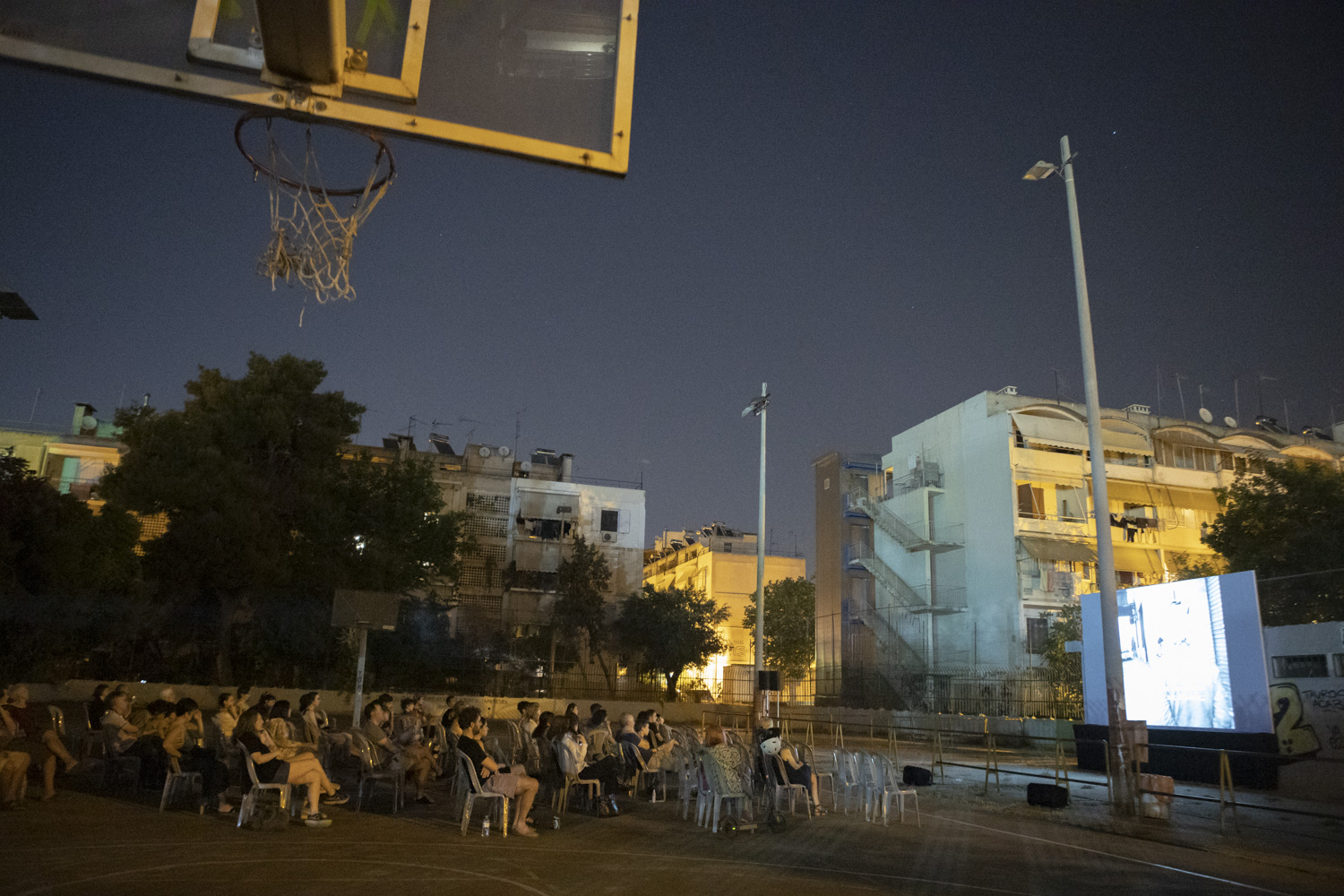
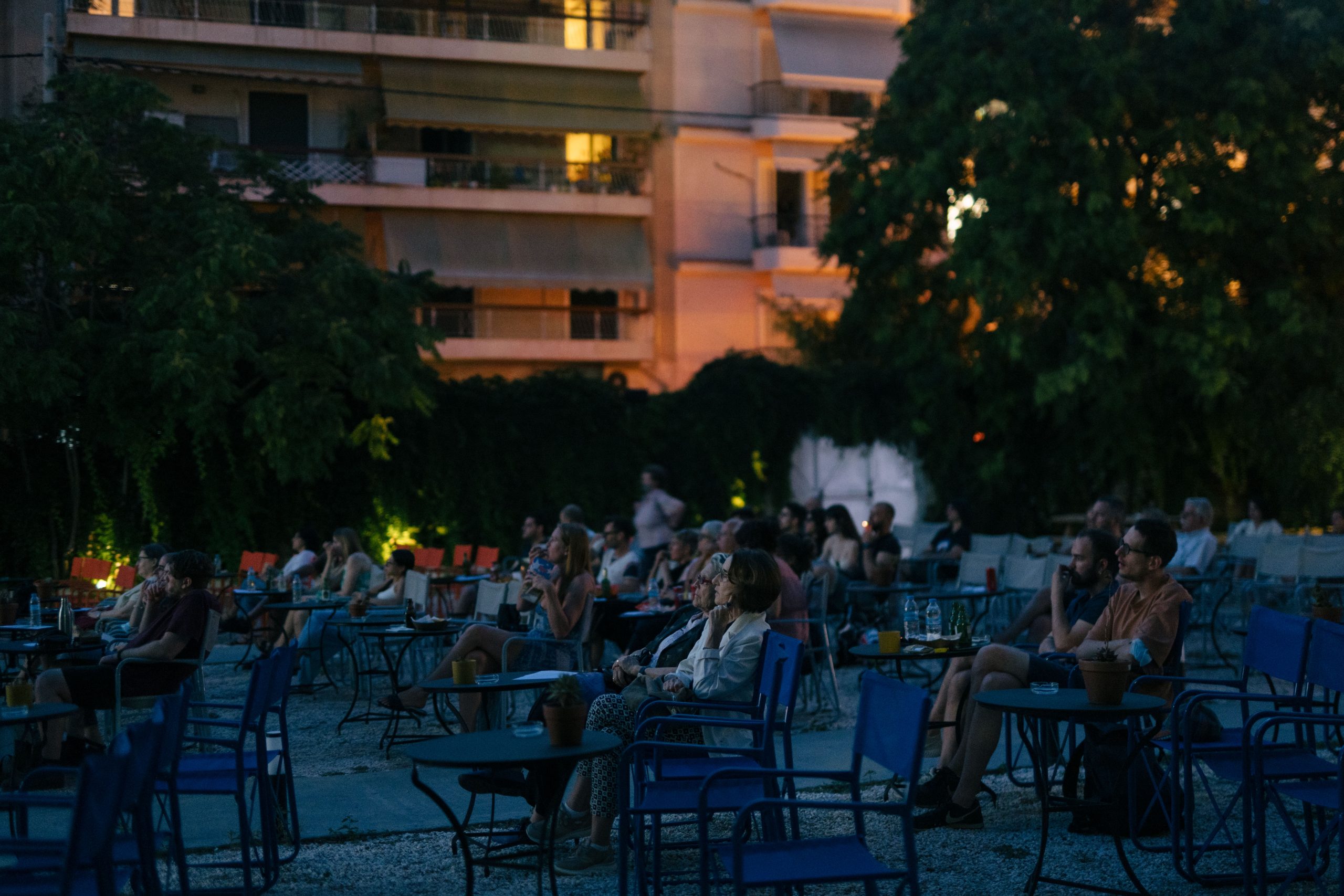
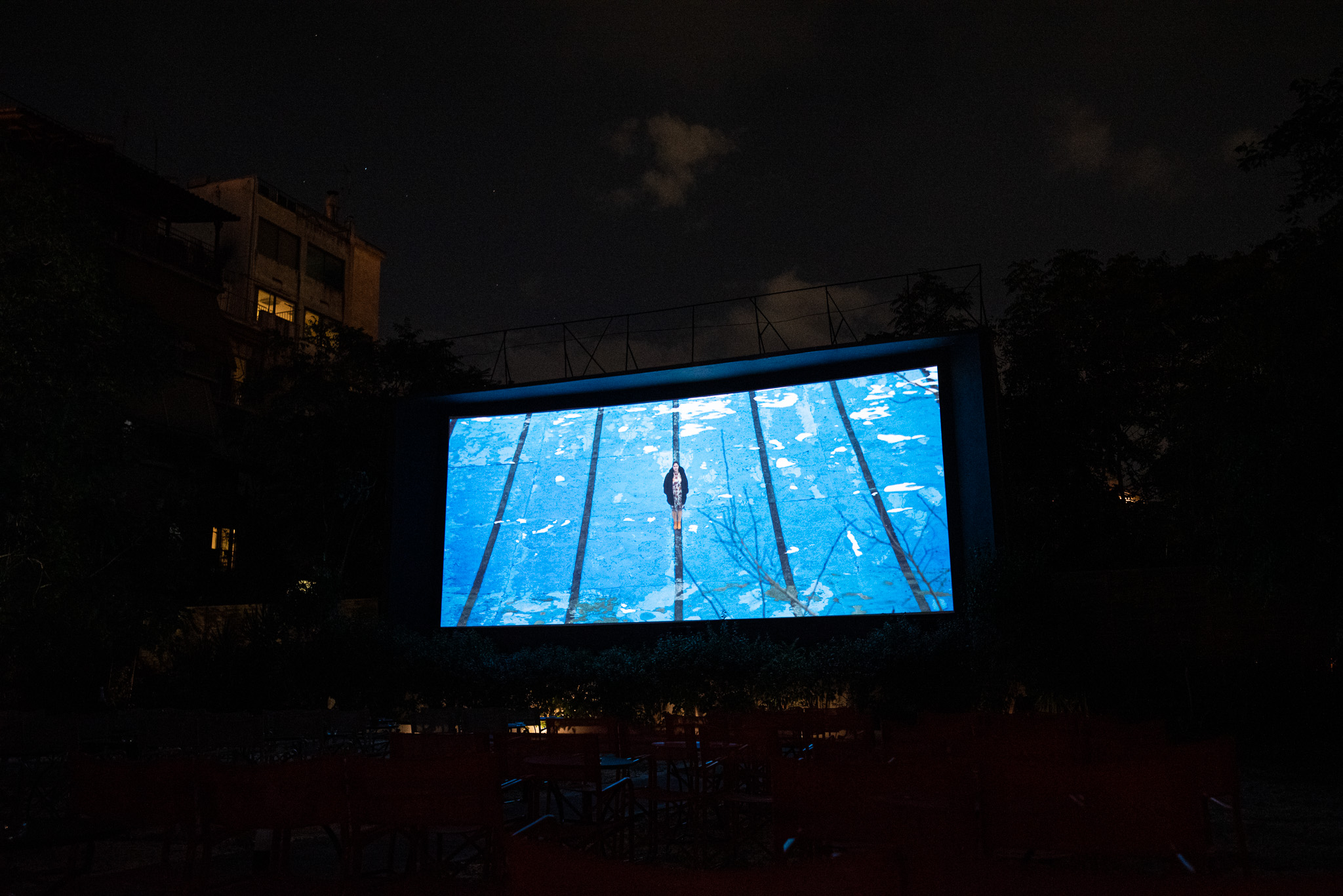
The program’s format will include live screenings (features, documentaries and experimental films) and online publications (texts, podcasts and videos) which function as the critical framework for the films screened. Starting in Tavros Spring 2022, this itinerant program will travel throughout neighborhood countries.
A program organized by the non-profit organisations AIN (France) and TAVROS (Greece).
Chapter 1 | Screenings
Movies:
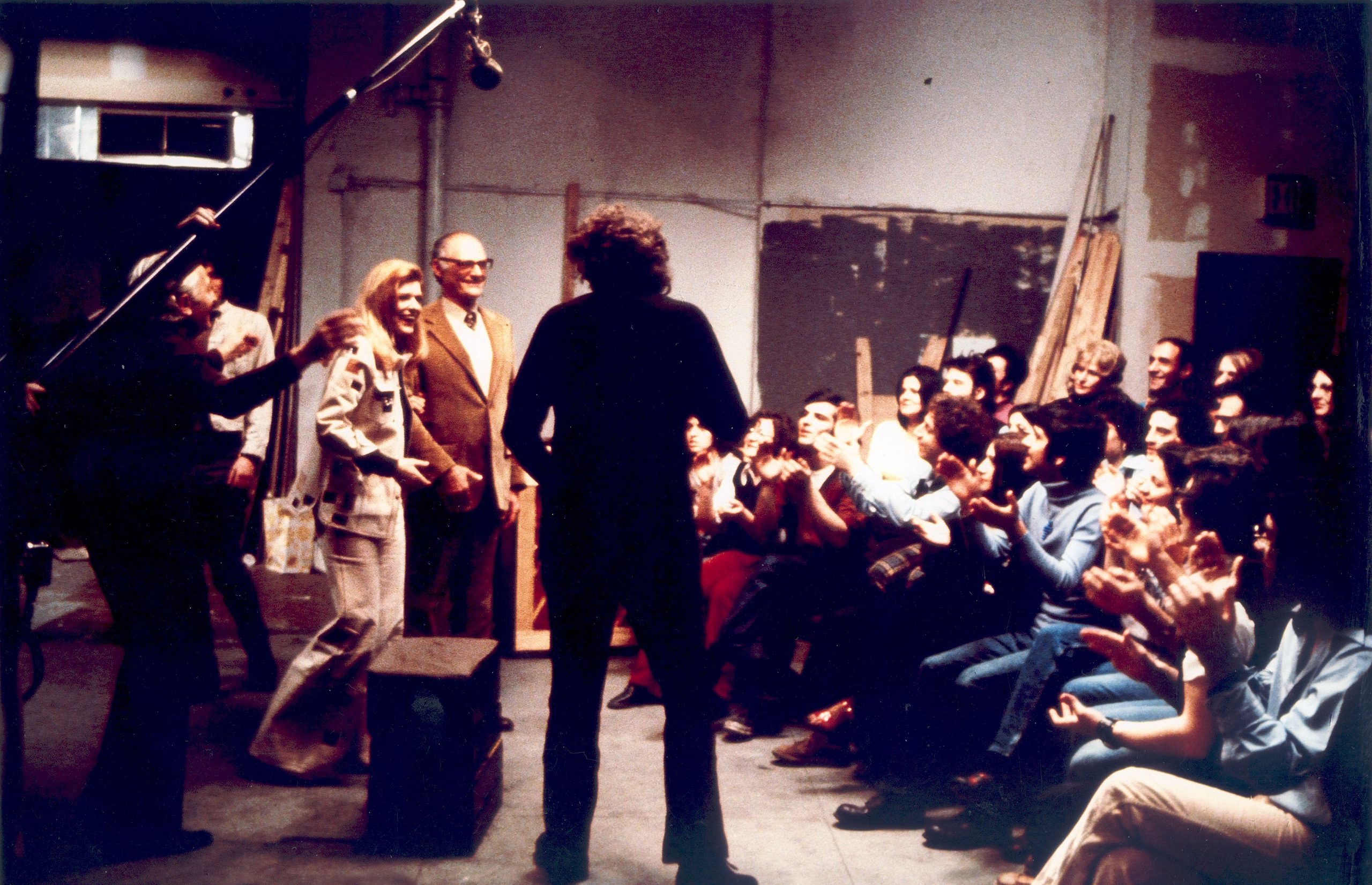
The Rehearsal, Jules Dassin, Greece/ U.K., 1974, 92 minutes, English with Greek subtitles.
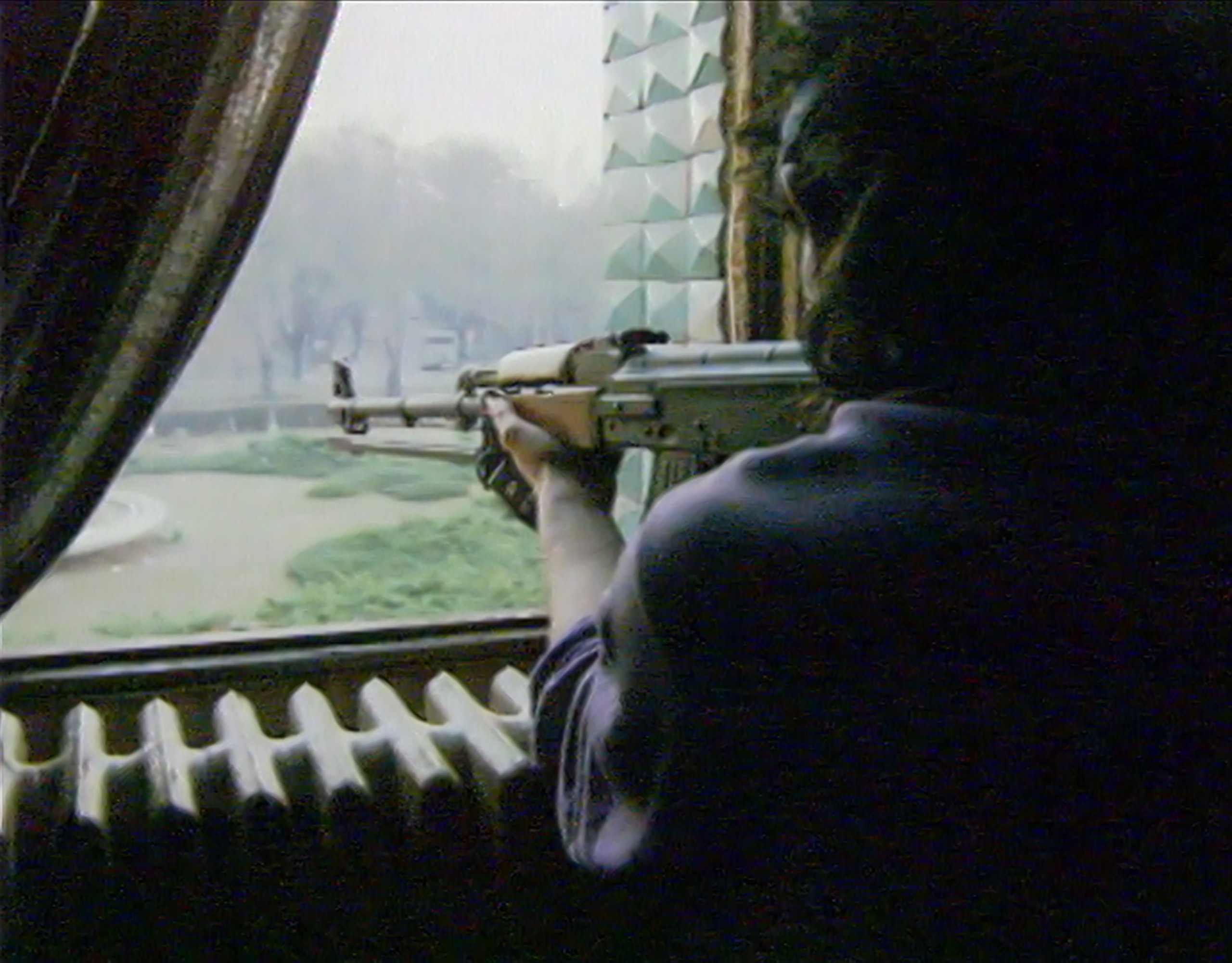
Videograms of a Revolution, Harun Farocki, Andrei Ujica, Germany, 1992, 106 minutes, Romanian and English with English and Greek subtitles
In April 1974, just a few months after the Athens Polytechnic uprising of the students (November 1973), Dassin reconstructs recent events in a warehouse in New York. The result is a film full of energy, pain and hope, in which Theodorakis and Markopoulos perform their songs live, Melina Mercouri sings, actors and chori reenact various scenes, while celebrities read poems, prisoners’ letters and archival documents. In the form of a Brechtian type stage rehearsal, this daring, unclassified essay film is an indictment of the Greek military junta of 1967–1974 and a rehearsal for future political springs.
In the fall of 1989, history took place before our very eyes. Nicolae Ceausescu gave his last-ever public speech on December 21, 1989, from the balcony of the enormous People’s House in Bucharest. Five days later he was executed, together with his wife Elena. The Romanian revolution was the first televised revolution. Harun Farocki and Andrei Ujica collected hours of films made by both amateurs, official news footage and excerpts from the 120 hours of continuous broadcast by demonstrators, who had taken over the Bucharest television station. The careful compilation of different shots and angles and hence of contradictory data, provides insights concerning the operation of the modern media in general and their political implications. This exceptional film essay is a new media-based form of historiography.
Chapter 2 | Screening
Movie:
Houston, We Have a Problem! Žiga Virc, Slovenia/Croatia/Germany/Czech Republic, Qatar, 2016, 88 minutes, Croatian, English, Serbian, and Slovenian, with English and Greek subtitles.
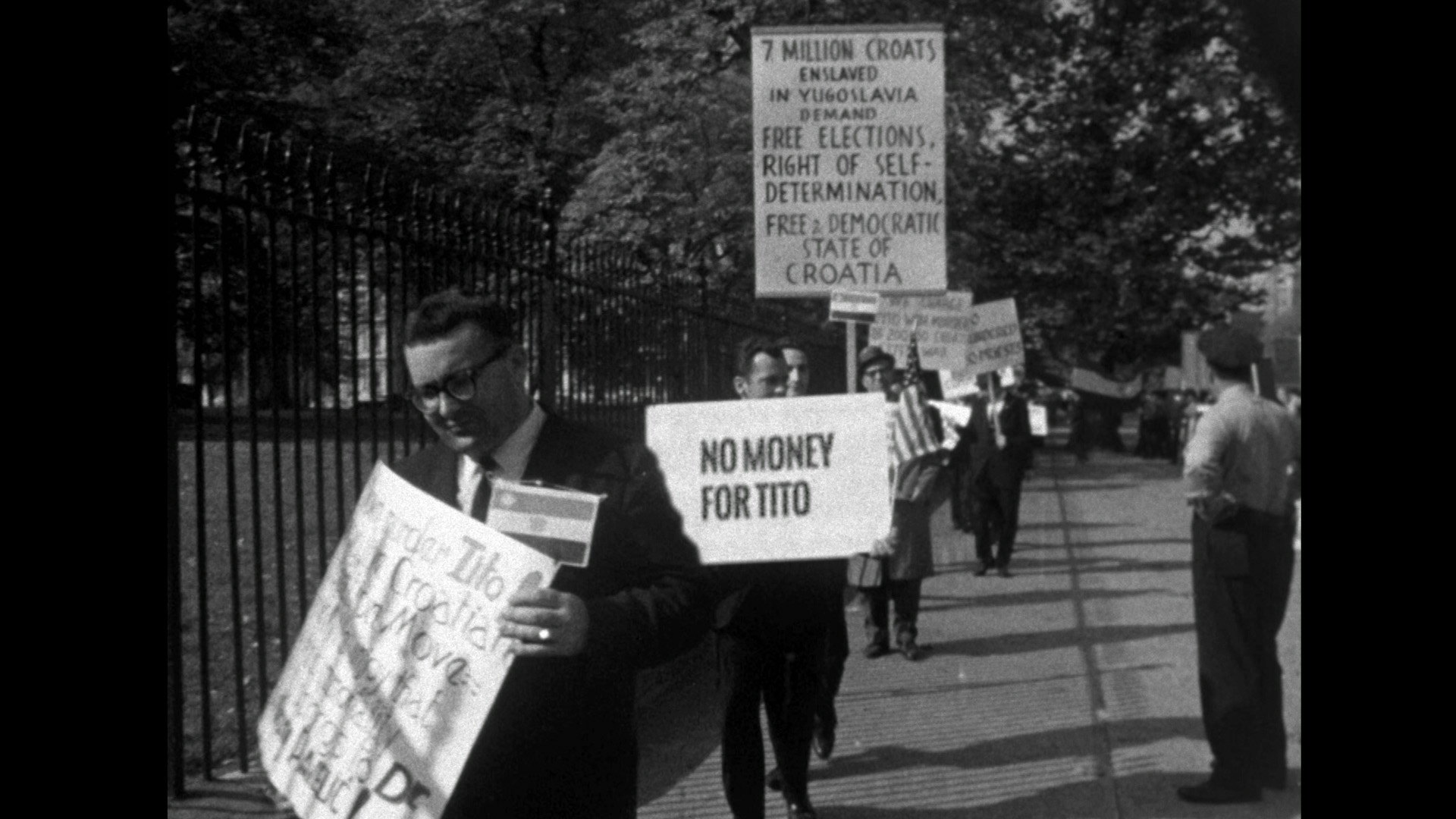
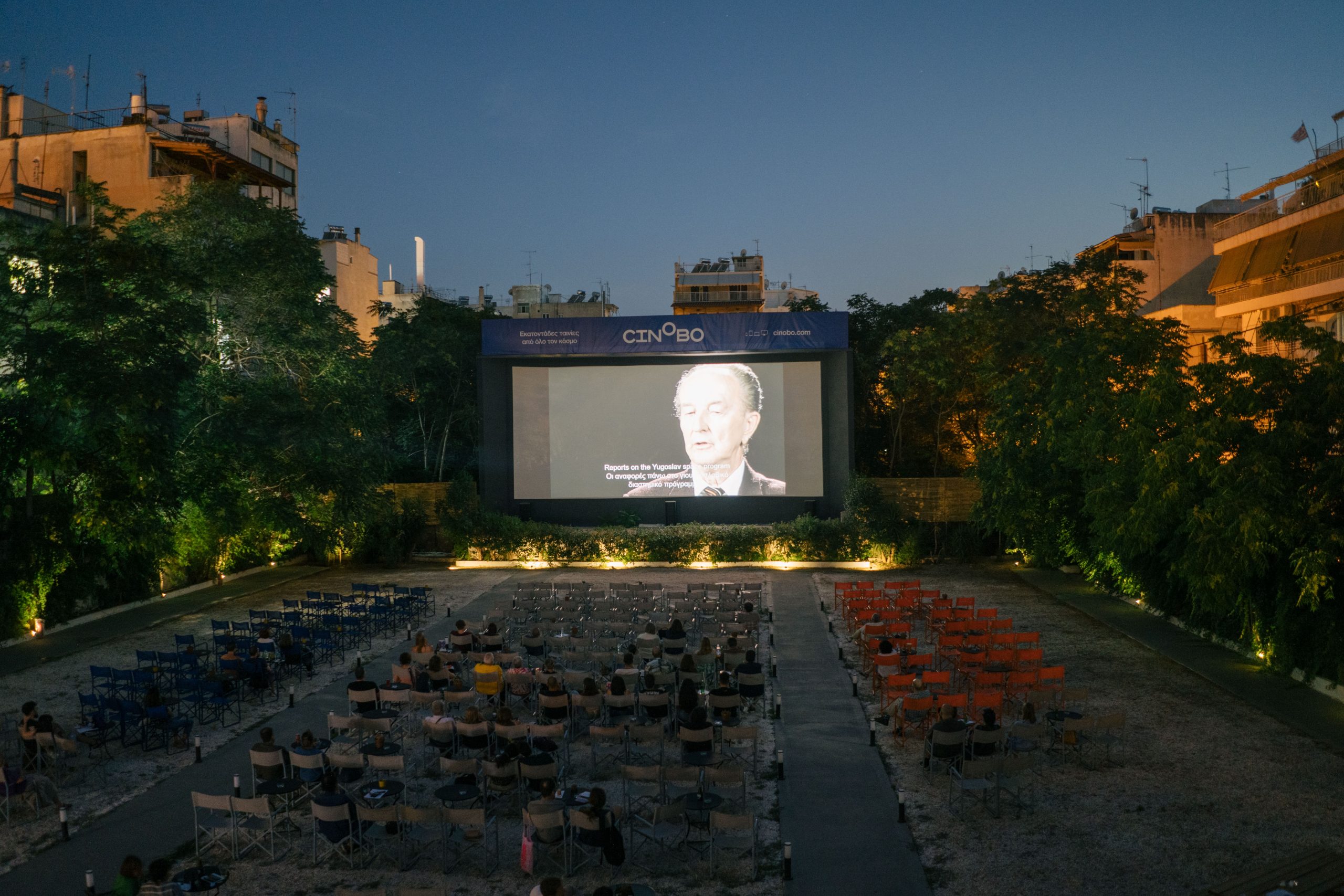
The cold war, the space race, and NASA’s moon landing are landmark events that defined an era… but they are also fodder for conspiracy theories. In Houston, We Have a Problem! filmmaker Žiga Virc proposes an intriguing docu-fiction that explores the myth of the secret multi-billion-dollar deal behind America’s purchase of Yugoslavia’s clandestine space program in the early 1960s. To make things more poignant and more fun, he mixes real-life, archive TV footage of Slovenian star philosopher Slavoj Žižek and fictional characters and stories. The “mockumentary” combines conspiracy theories and myths, exploring how both can create a certain image of ourselves and our allies or rivals in our consciousness. But while these ideas have some basis in reality, the situation was always much more complex. This masterfully crafted feature is an intriguing blend of reality and fiction that recreates recent history through the prism of conspiracy theories. It invites the audience to make up its own mind about what is invented and what is real.
Chapter 3 | Screening
Movie:
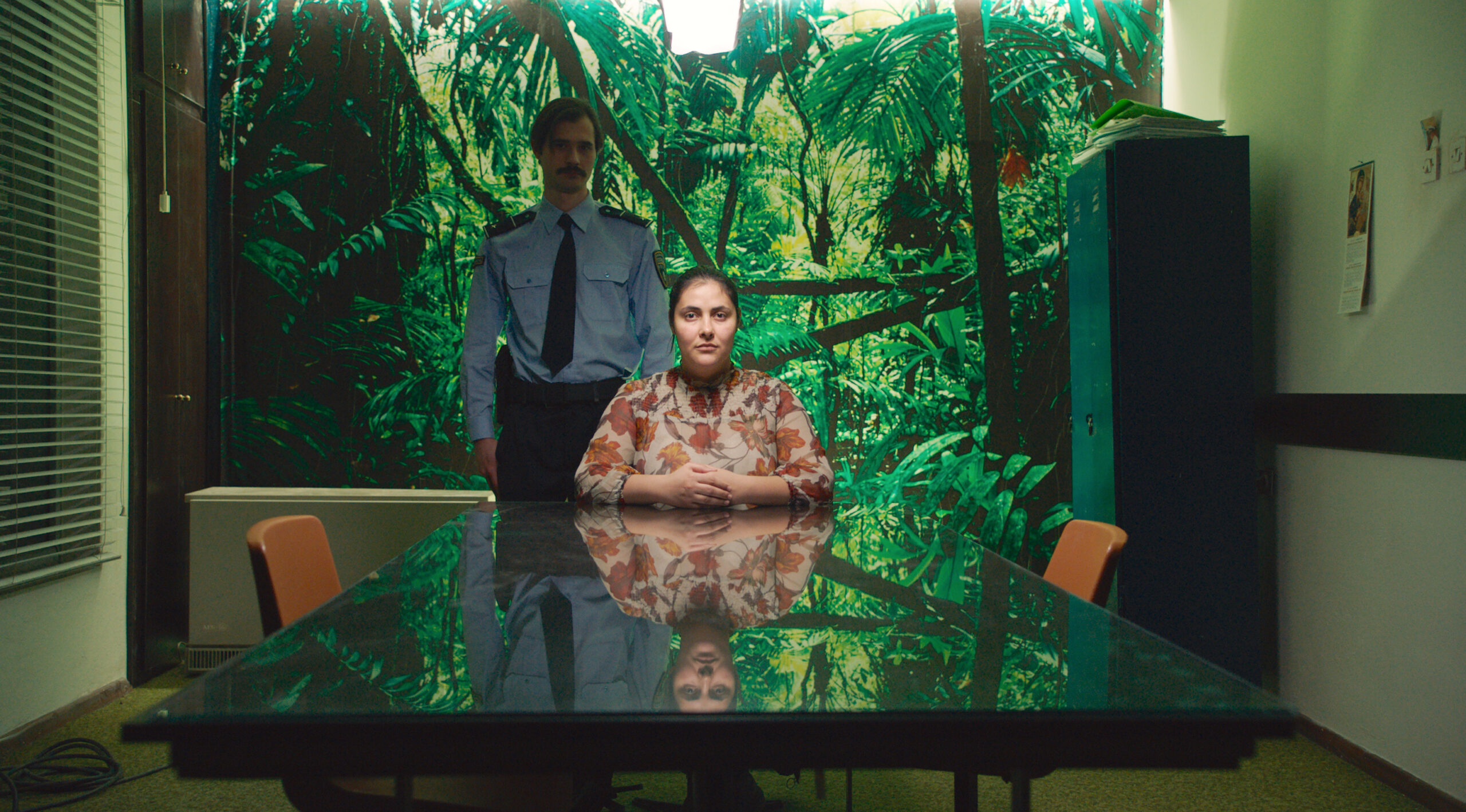
God Exists, Her Name is Petrunya, Teona Strugar Mitevska, North Macedonia/ Belgium/ Slovenia/ Croatia/ France, 2019, 100 minutes, Macedonian with Greek subtitles.
In a small town, somewhere in North Macedonia, Petrunya is a single unemployed historian who lives with her parents. Returning home from a failed job interview in a factory, she witnesses the Epiphany ceremony. The sanctification of the waters is one of the most important moments for the community, as it is believed that the person who catches the cross will be blessed with good luck. She decides to jump into the icy waters. The interruption of this all-male Orthodox Christian ceremony will result in a struggle against patriarchal stereotypes and conservative morals. The director, Teona Strugar Mitevska, uses real life events to make a good-humored story on feminist resistance.
Chapter 4 | Screenings
Movies:
Depth Two, Ognjen Glavonić, Serbia/France, 2016, 80 minutes, Serbo-Croatian and Albanian, with English and Greek subtitles.
The Dead Nation, Radu Jude, Romania, 2017, 80 minutes, Romanian, with Greek and English subtitles.
Unfolding like a hypnotic thriller, Depth Two direct by Ognjen Glavonić investigates the hidden story behind the discovery of a mass grave in a suburb of Belgrade in 2001 and takes us back to 1999 and the NATO bombings in Serbia. By using a combination of spoken testimonies of perpetrators and victims, essentially from the trials at the Hague tribunal, and images of the places where the crimes happened, the film speaks directly to the sensations, imagination and emotions of the viewer. In an attempt to uncover and give a voice to the stories that are still intentionally buried in silence, Depth Two is a kind of a film memorial and also a rebellion against the ongoing oblivion.
The Dead Nation by Radu Jude is a documentary-essay, which shows a stunning collection of photographs from a Romanian small town in the 1930’s and 1940’s. The soundtrack, composed mostly from excerpts taken from the diary of a Jewish doctor from the same era, shows us what the photographs do not: the rising of the anti-Semitism and eventually a harrowing depiction of the Romanian Holocaust, a topic which is not very talked about in the contemporary Romanian society.
Chapter 5 | Screenings
Movies:
Intervista του Anri Sala, Albania/Greece, 1998, 26 minutes, Albanian with Greek subtitles.
Yugoslavia, How Ideology Moved Our Collective Body?, Marta Popivoda, Serbia/France/Germany, 2013, 62 minutes, Serbian and English, with English and Greek subtitles.
In the process of moving house with his family, Anri Sala, an Albanian art student, discovered a twenty-year-old 16mm newsreel film, containing images of a congress of the Albanian Communist Party. In the film a young woman, a leader of the Communist Youth Alliance, is seen making a speech, and later giving an interview. But the sound had been lost. With the passing of years this woman had left behind the hopes and fears, ideals and disappointments, deceptions and rebellions of her youth. She was his mother. Sala cannot find any of the original sound, or anyone who remembers what his mother actually said so he takes the film to a school for the deaf in Tirana, and with the help of lip readers, his mother’s words are deciphered. Intervista dramatically captures the moment when Sala shows his mother and confronts her younger self. Her Communist ideals and the current chaos in Albania collide, offering a moving opportunity for reflection on the country’s -and one woman’s-history and present state.
Yugoslavia, how ideology moved our collective body deals with the question of how ideology performs itself in public space through mass performances. The author collected and analyzed film and video footage from the period of Yugoslavia (1945 – 2000), focusing on state performances (youth work actions, May Day parades, celebrations of the Youth Day) as well as counter-demonstrations (’68, student and civic demonstrations in the ‘90s, 5th October Revolution). Going back through the images, the film traces how communist ideology was gradually exhausted through the changing relations between the people, ideology, and the state. “This research-based essay film is a very personal perspective on the history of socialist Yugoslavia, its dramatic end, and its recent transformation into a few democratic nation-states. Experience of the dissolution of the state, and today’s “wild” capitalist reestablishment of the class system in Serbia are my reasons for going back through the media images and tracing the way one social system changed by performing itself in public space”, Marta Popivoda.