kαρσί / karşı
Research and gatherings timeframe
Partners
Participating organisations
Curation
Communications
Visual identity and graphic design
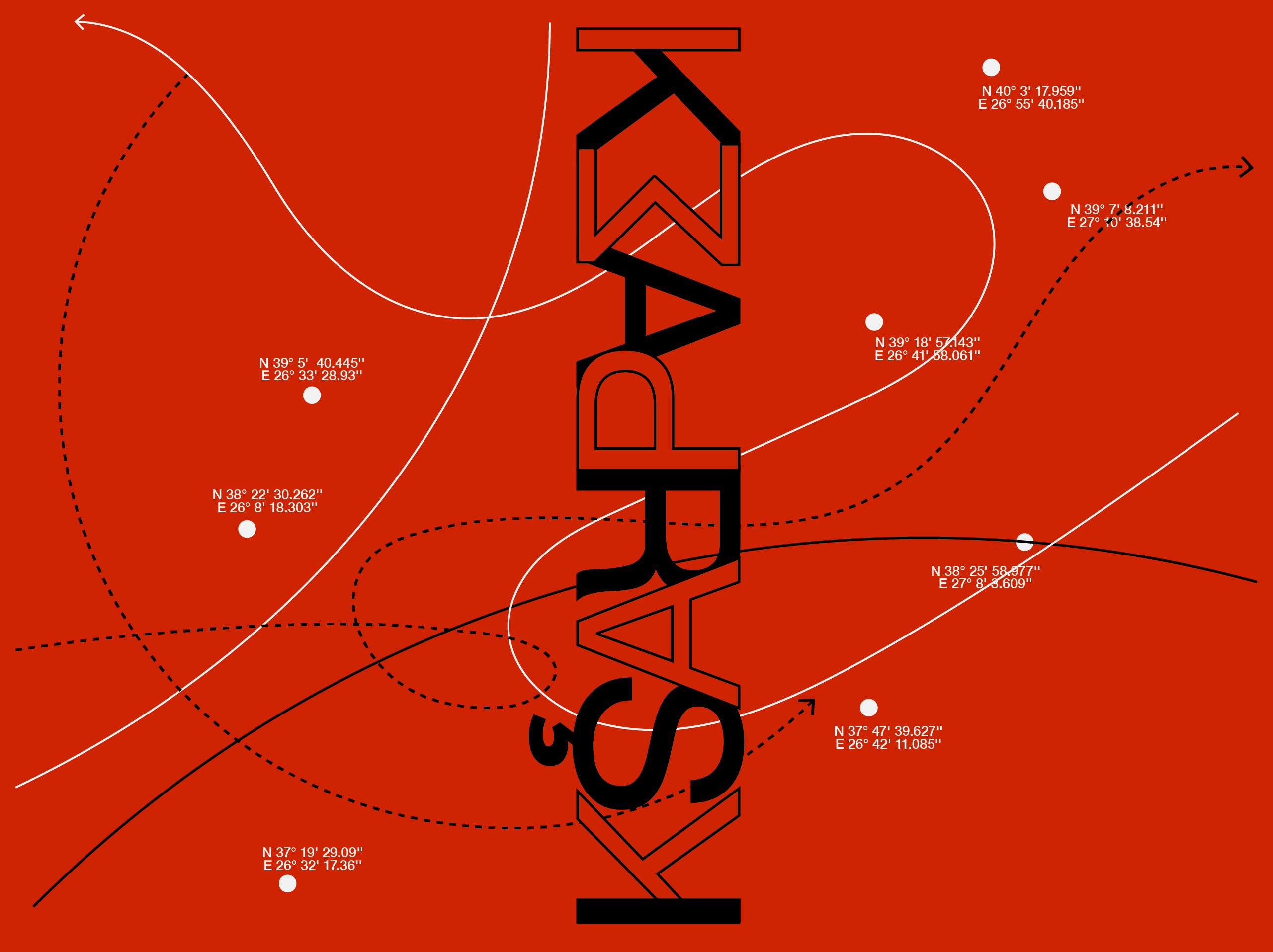
καρσί / karşı: Gatherings Across the North Aegean
Καρσί in Greek and Karşı in Turkish both mean ‘across’ and ‘opposite’, and also forms the root of the Turkish word ‘karşılaşma’ (encounter). The project title reflects the core idea of building bridges and initiating relationships between art communities and cultural organisations located on opposite shores of the North Aegean Sea.
The story of the Aegean has been one of coexistence of different communities with diverse beliefs and ways of life, thriving through shared practices, trade and cultural exchange. Long before modern nation-states, the Aegean was a crossroads of diverse peoples—Greeks, Phoenicians, and Egyptians, among others—connected through trade, culture, and geography. A multitude of archaeological sites along the coast reveal interwoven histories between Anatolia, the Levant, and the broader Mediterranean, highlighting shared traditions and exchanges that predate the Byzantine period. This early interdependence was shaped by mutual engagement with land, food, language, and customs, linking the Aegean to regions like Syria, Lebanon, and beyond. This legacy of interconnectedness continued through the Byzantine and Ottoman periods, when thriving maritime trade networks and the cosmopolitan nature of cities like Smyrna (Izmir) and Mytilene nurtured environments where Greek, Turkish, Armenian, Jewish, and Levantine communities lived and worked side by side. Shared traditions such as olive and vine cultivation, maritime trade, and intertwined culinary practices bound these communities, enduring even through times of conflict.
Political events such the wars of independence that defined the 19th and 20th centuries, and a series of atrocities and displacements, including the population exchange between Greece and Turkey of 1922-1923 reshaped the region’s imagination. These shifts sought to align communities within new national borders, often erasing the complex, multiethnic histories that had long defined the region. Yet, even as political forces worked to divide, the Aegean’s common traditions continue to resonate on both shores, often transcending the divisions imposed from above. Nevertheless, this imagined geography still shapes the current day-to-day, where neighbouring localities, despite their proximity, often remain isolated from one another, confined to their own territories and disconnected from the shared histories and practices that once brought them together.
Against this backdrop, we seek to reimagine the North Aegean together with the inhabitants on both sides through an alternative lens that prioritises geography and ecology over geopolitics, the experience of people over official narratives, and a common culture and past over polarising discourses. We turn to the ground —where shared practices of land, food, language, music, customs, crafts, and trade have long existed across the region with its varieties in local contexts. By bringing together cultural organisations deeply rooted in local communities, we aim to highlight and complicate the way histories are told, creating space for new forms of relation based on collaboration, friendship, and shared creativity, all the while examining the current political realities in the Aegean shaped by hostile border policies of the states such as the disputes over the airspace and territorial waters or the so-called ‘refugee crisis’. In a time when borders are increasingly hardened and communities are more fragmented, we believe it is urgent to open new paths for exchange and solidarity. How can we move beyond these historical divisions and build new ways of relating? What possibilities arise when we reimagine our interconnectedness with each other as well as with the land and the water that surround us? How can we actually share with care and become better neighbours?
Within the project, eight art initiatives are paired for reciprocal visits: Lesvos Solidarity (Mytilene) and Seyir Derneği (Ayvalık); CARR (Chios) and Maquis Projects (Izmir); RESTIA (Sigri) and Sarı Denizaltı Sanat İnisiyatifi (Bergama); and Patmos Ceramic Tiles (Patmos) and sub (Çanakkale), with the aim of encouraging a collective effort to nourish practices emerging from new epicentres. Each pair of organisations will decide together how to share their work and experiences with each other as well as their local communities. The exchanges will unfold in the places that matter most to these local organisations, enabling deeper engagement with their audiences and the chance to connect through ongoing collaboration. Through a series of exchange field trips, workshops, discussions, and a final publication, the project will take place from December 2024 to July 2025. In December 2024, we will begin with online introductions between the paired organisations, followed by a kick-off meeting in Izmir at the end of January 2025, where representatives from all participating initiatives will meet in person. Over the course of the exchanges between February 2025 and July 2025, each organisation will host a reciprocal visit for one week, offering opportunities for workshops, discussions, and collaboration. Finally, the chronicles of the visits will be creatively documented and collected in a print publication.
The project aims to bring together local artists, cultural workers, and audiences, creating cross-border dialogues that continue to unfold through grassroots connections and long-lasting artistic partnerships. By fostering artistic mobility and cross-border dialogue, καρσί / karşı seeks to reveal that we have more things in common that are at stake than our differences, and aspires to create a vibrant network of artists and cultural practitioners who can critically envision and work towards a shared, inclusive future. In a time where the region is increasingly dominated by conflict, this move is not just important—it is urgent.
PUBLIC PROGRAMME
Saturday, 01 February, 2025 | Izmir Gathering
Location: Mimarlık Merkezi, Smyrna
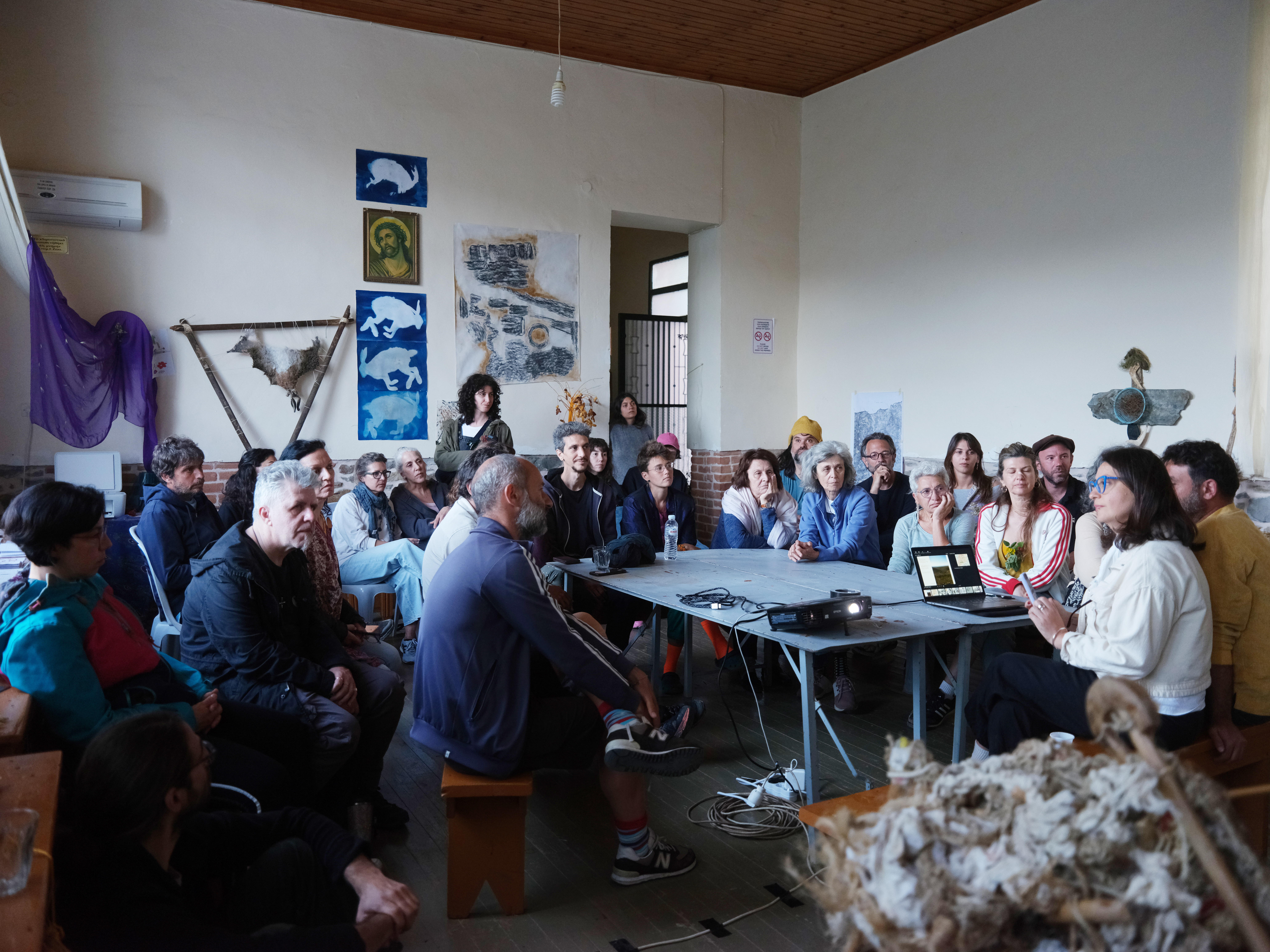
This public event in Izmir offers a platform to explore the North Aegean through intersecting perspectives on history, memory, subjectivity, migration, and ecology. Reflecting on what it means to engage in cultural work in the region, this gathering also examines practices –past and present– that have historically shaped its identity, creating alliances as a response to its shifting landscapes. The event in Izmir will also serve as the inaugural meeting of the programme, bringing together the eight organisations involved from Turkey and Greece.
Public programme contributions: Bruce Clark, No longer a stranger (lecture), Angela Melitopoulos & Kerstin Schroedinger, From a passing drama to the industries of denial (lecture & screening), Hera Büyüktaşcıyan, On Stones, Islands and Palimpsests: An etude on retracing absence within space and memory (lecture & screening).
Saturday, 17 May 2025, 16:30 and 19:00 | Wild plant collection walk & lunch
Co-organisers: CARR/ caravan project, Maquis Projects
Meeting point: Keramos public school, North side of Chios Island
Inspired by the maquis—the Mediterranean shrubland ecosystem whose unique climate and topography shape its distinct flora and fauna—Maquis Projects (İzmir) and CARR / caravan project (Chios) explore the wild textures of Chios’s north mountain slopes. Guided by local experts, neighbours, a harvest of the same herbs, greens, and roots that define maquis landscapes from the Aegean to California, South Africa, coastal Chile, and beyond, will take place.
After foraging, Maquis Projects will hold a presentation.
Then, a gathering at CARR’s kitchen will follow to turn the harvest into an Aegean-inspired communal table sharing stories and flavours beneath the open sky.
Wednesday, 21 May 2025 | Collective cooking and meal
Co-organisers: Sarı Denizaltı Sanat İnisiyatifi, RESTIA
Location: Attalos Bahçe, Bergama
Within the framework of the artist exchange program, the art collective Sarı Denizaltı Sanat İnisiyatifi from Bergama and Restia AMKE from Mytilene, who were invited to the event, are holding—on the third day of their meetings—a collective cooking and shared meal, including an exchange of recipes.
Friday, 23 May, 2025, 17:00 | Exhibition
Co-organisers: RESTIA, Sarı Denizaltı Sanat İnisiyatifi
Location: Talatpaşa Mahallesi, Bergama
“Look: how memory ties the hair back,
and trembling from so much truth
allows the eyelashes to fall forward.
Your shoulders and chest are tense.”
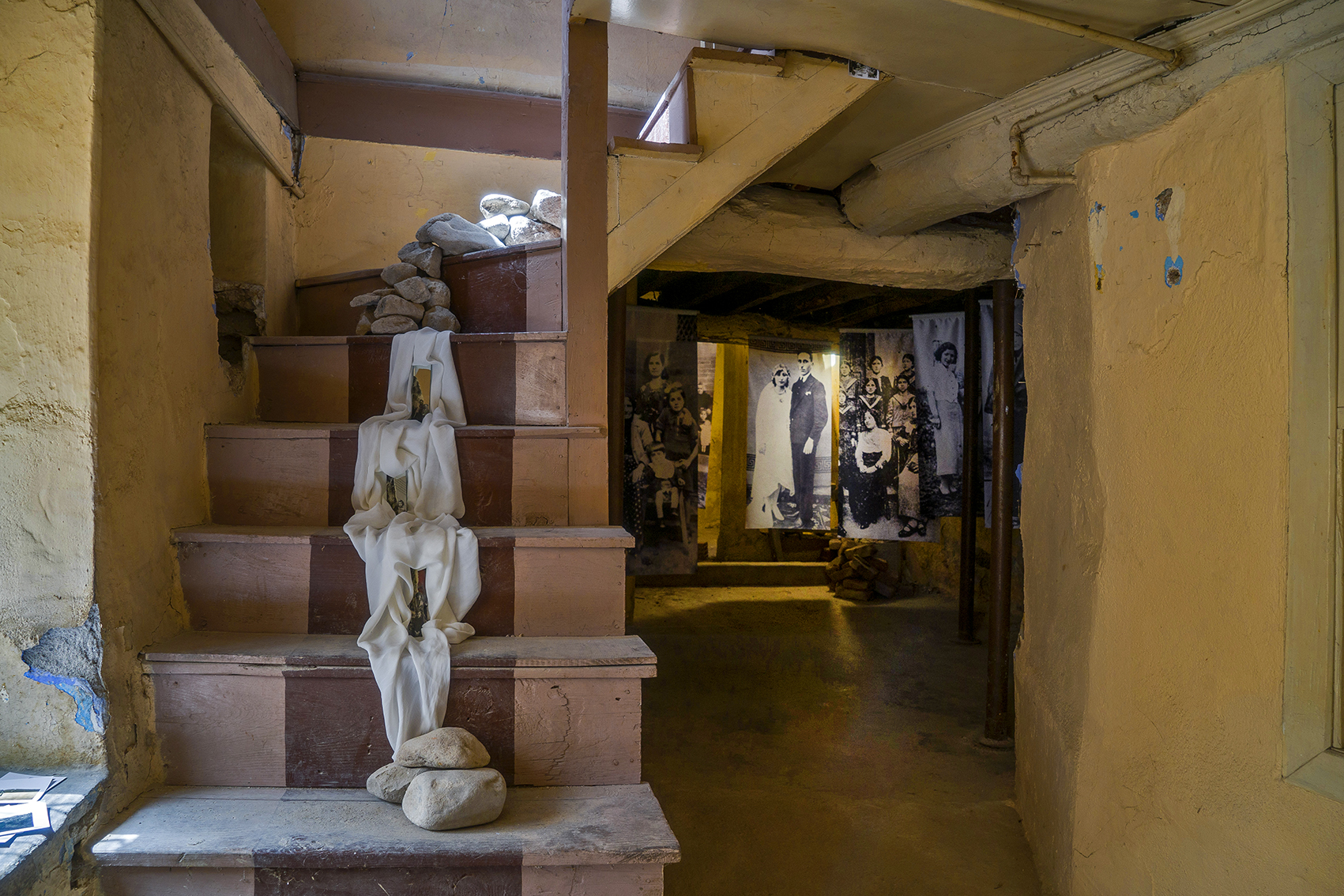
The exhibition, which takes its name from these lines of the poem “Yalın Çalışma” by the poet Odysseas Elytis (Alepoudelis), alluding to the weight of truth and memory, addresses the issue of forced displacement through the concepts of identity, home, rootedness, and migration.
Opening on Friday, May 21, in an old Greek house in Bergama, the exhibition consists of spatial installations, photographs, and collages by Günseli Baki and Yücel Tunca. By incorporating the exhibition space itself into the work as part of the process of memory, the exhibition proposes an understanding that does not move from the present toward the past, but rather from the traces of testimony that reach the present from the past.
Saturday, 24 May, 2025 | Screenings
Co-organisers: RESTIA, Sarı Denizaltı Sanat İnisiyatifi
Location: Odeon Pergamon Kültür Sanat Alanı, Bergama
Screenings:
In Search of Orpheus, Tzeli Hantzidimitriou, Greece, 2018, 49 minutes
I don’t know how far we’ve walked in this country, Konstantza Kapsali, Greece, 12 minutes
KATARAKT, Sofia Dona, Greece, 2024, 25 minutes
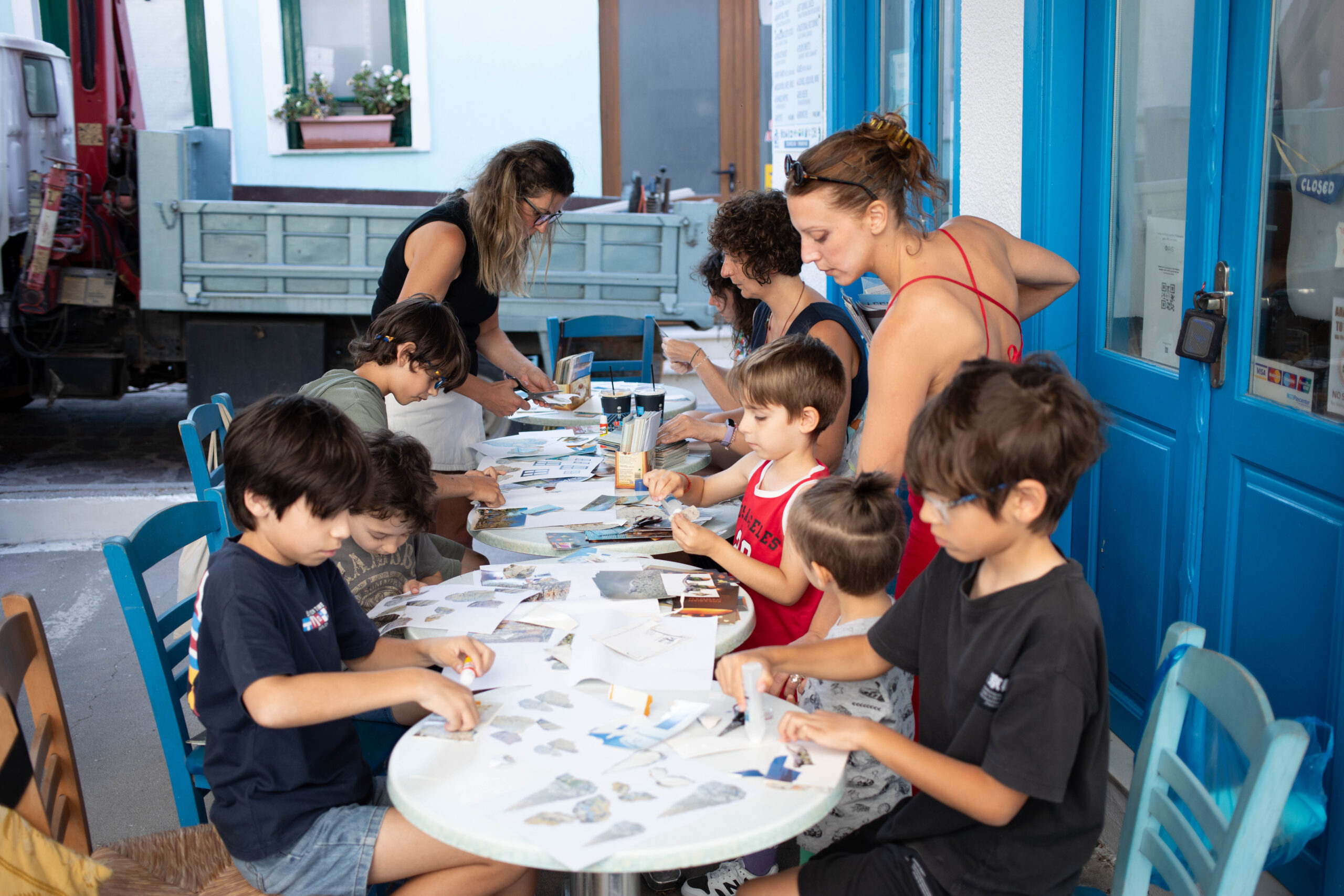
Thursday, 12 June, 2025, 20:00 | Pop exhibition and collage workshop
WHEN THE EYELASHES FALL FORWARD, Günseli Baki & Yücel Tunca (artists)
Co-organisers: RESTIA, Sarı Denizaltı Sanat İnisiyatifi
Location: Sigri
In contrast to official history, which confines the past to a certain period of time, memory carries in itself the social memory that keeps the past alive and recalled. When we lost our collective memory, we distance ourselves from the ideational and emotional dimensions of our relationship with the present. Can we understand the emptiness caused by enforced displacement, the loss of a home, the abandonment of a home, the loss of spatial existence?
While searching for the pure peace of being together with our differences and similarities, beyond identities and borders, sitting across from each other at a table, we remember:
“Look: how memory ties the hair back,
and trembling from so much truth
allows the eyelashes to fall forward.
Your shoulders and chest are tense.”
Taking its title from these lines of poet Odysseas Elytis (Alepoudelis)’s poem “Lean Work”, which refers to the heaviness of truth and memory, the exhibition explores forced displacement through the concepts of identity, home, rooting and immigration. The exhibition, which will take place in an old Greek house in Sigri, consists of spatial installations, photographs and collages by Günseli Baki and Yücel Tunca.
Including the exhibition space itself as a part of memory, the exhibition proposes an understanding not from the present to the past, but through the traces of witnessing from the past to the present.
Voice overs of the instalations in Greek: Christina Ino Apostolou, Kostis Kilymis
Thursday, 12 June 2025, 15:00 | Screening
Co-organisers: CARR/ caravan project, Maquis Projects
Location: Smyrna
Screening:
That Day, Caravan Project
Α screening of the Caravan Project’s film “That Day”—a walking travelogue through the fire-stricken landscapes of Northern Evia. The film traces a path across a devastated territory, mapping its wounds while exploring the contact zones between human and more-than-human worlds. It reflects on loss, resilience, and the subtle entanglements between bodies, forests, memory, and survival.
Sunday, 15 June, 2025 | Gathering
Co-organisers: CARR/ caravan project, Maquis Projects
Location: Darağaç Kitchen, Smyrna
A situationist-inspired performative walk through the neighborhood of Darağaç, engaging in open conversations with local residents about the character and transformations of the area. As the walking happens, a living map will be collectively created—tracing movements, impressions, and encounters. Along the way, fragments of experience, memory, and perception, will be gathered composing a shared narrative of place through bodies, steps, and gestures.
The outcome of the walk will be shared during a public talk-event hosted in the neighborhood of Darağaç.
This gathering will take place on June 15 at Darağaç Kitchen between 14:00-16:00, and will include a presentation by the CARR team and an informal mini bar setting.
There, a presentation of the walking-based methodology developed on the island of Chios, as part of the nomadic art and research residencies that have been cultivated, will take place. Through this gathering, an exchange of experiences and a reflection on the values that guide this practice- situated knowledge, embodied presence, and collective processes of sense-making, will happen.
Sunday, 15 June 2025, 18:00 | Clay workshop
Co-organisers: Patmos Ceramic Tiles, Sub
Location: Diogenis Pizzeria, seaside front, Groikos beach, Patmos
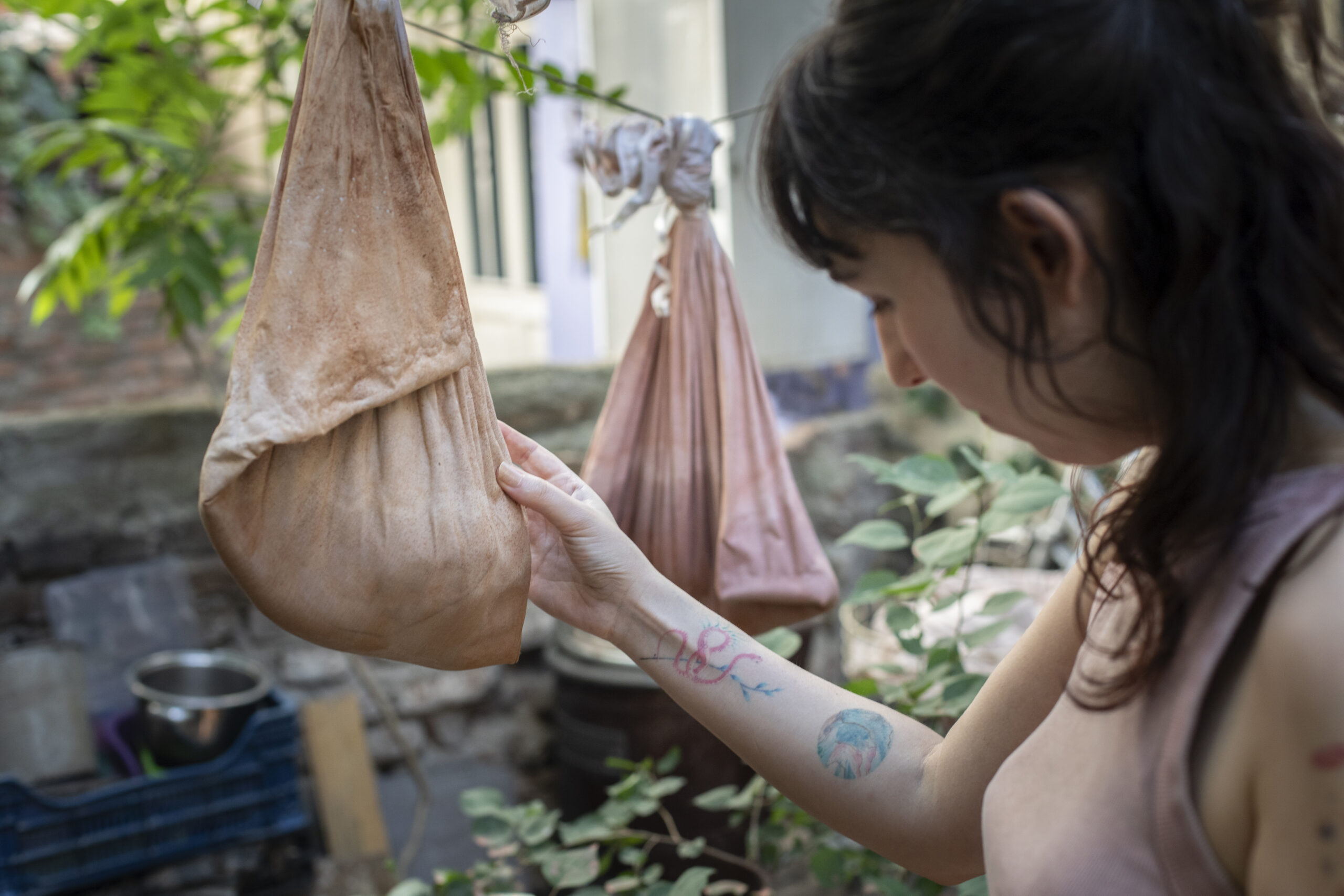
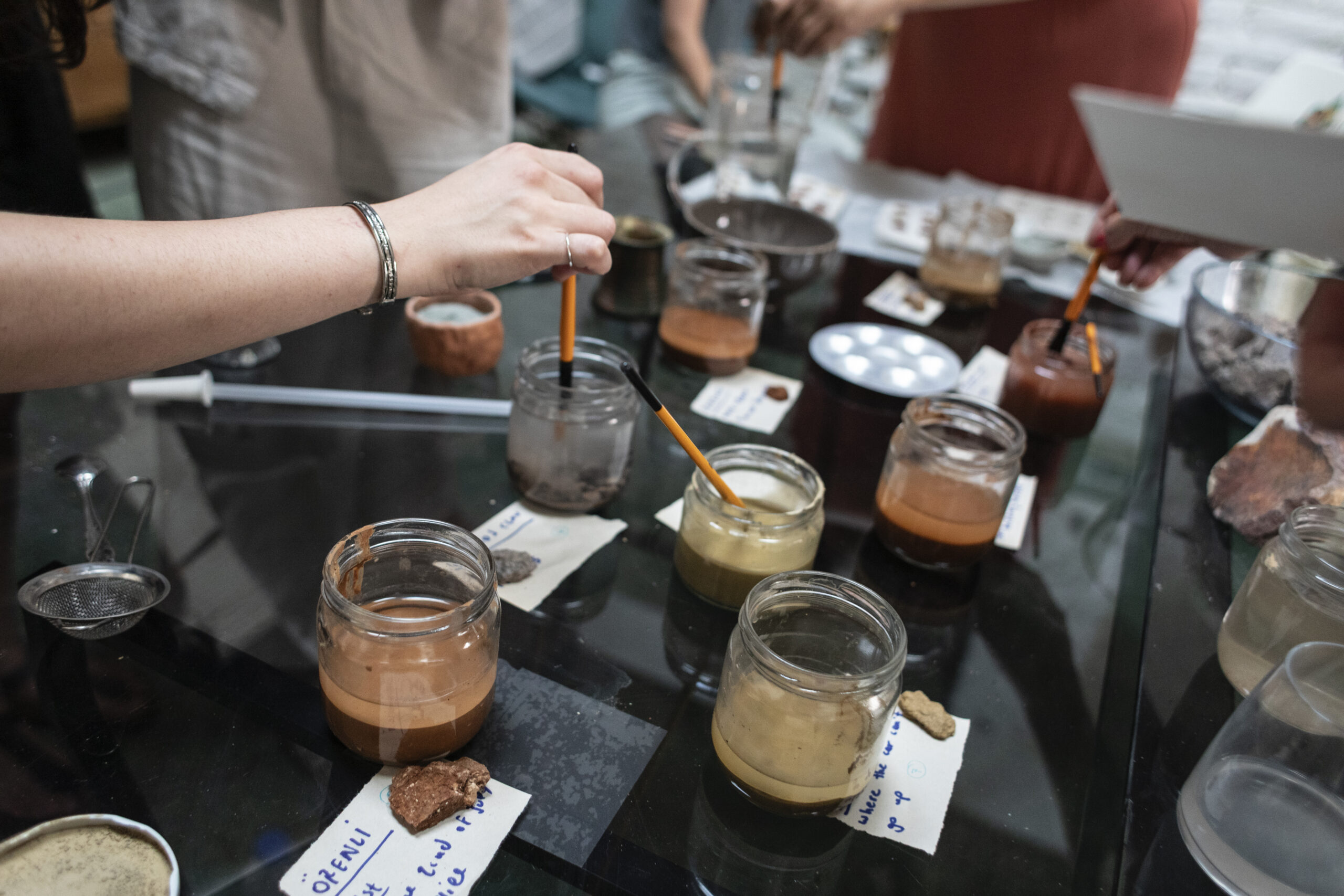
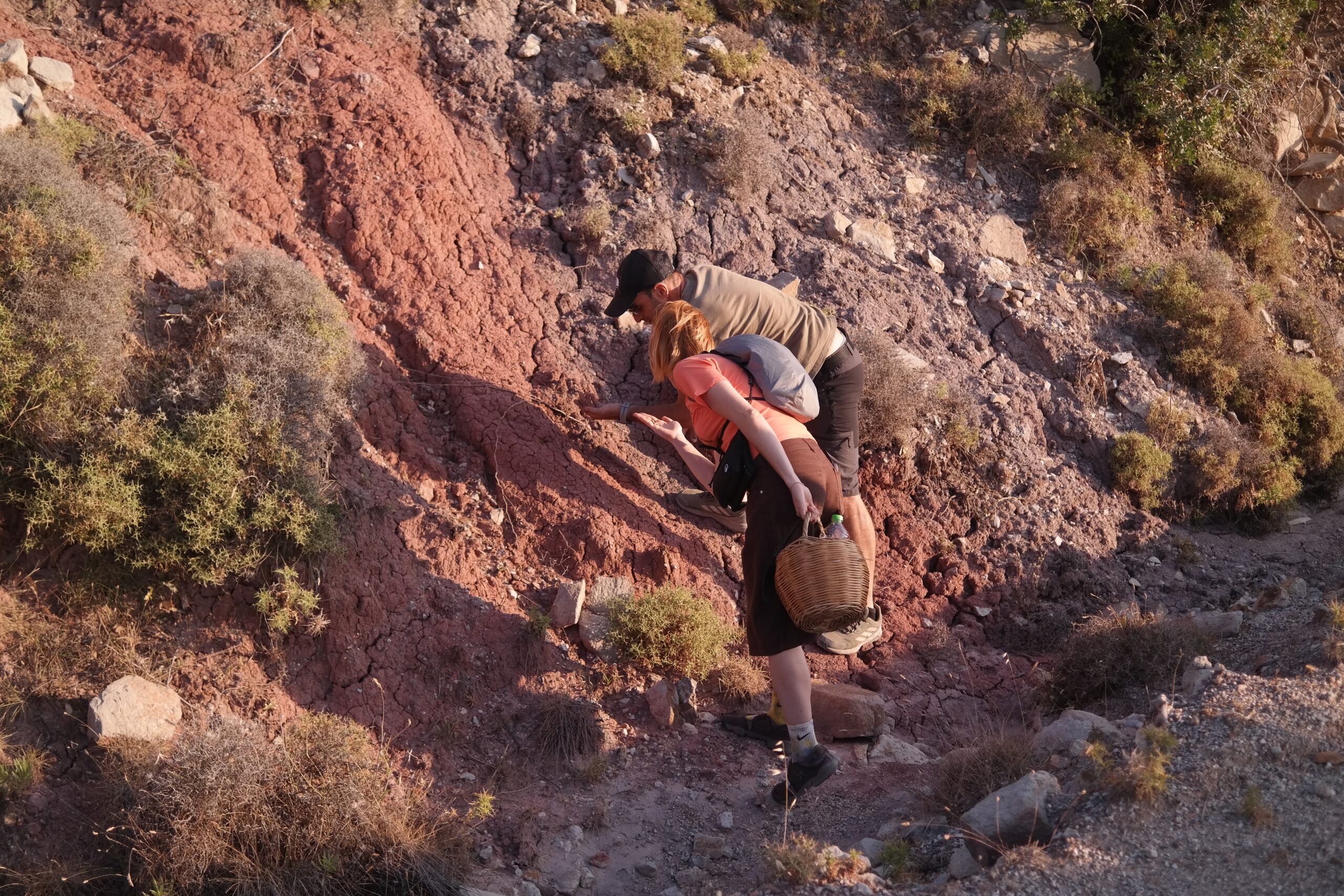
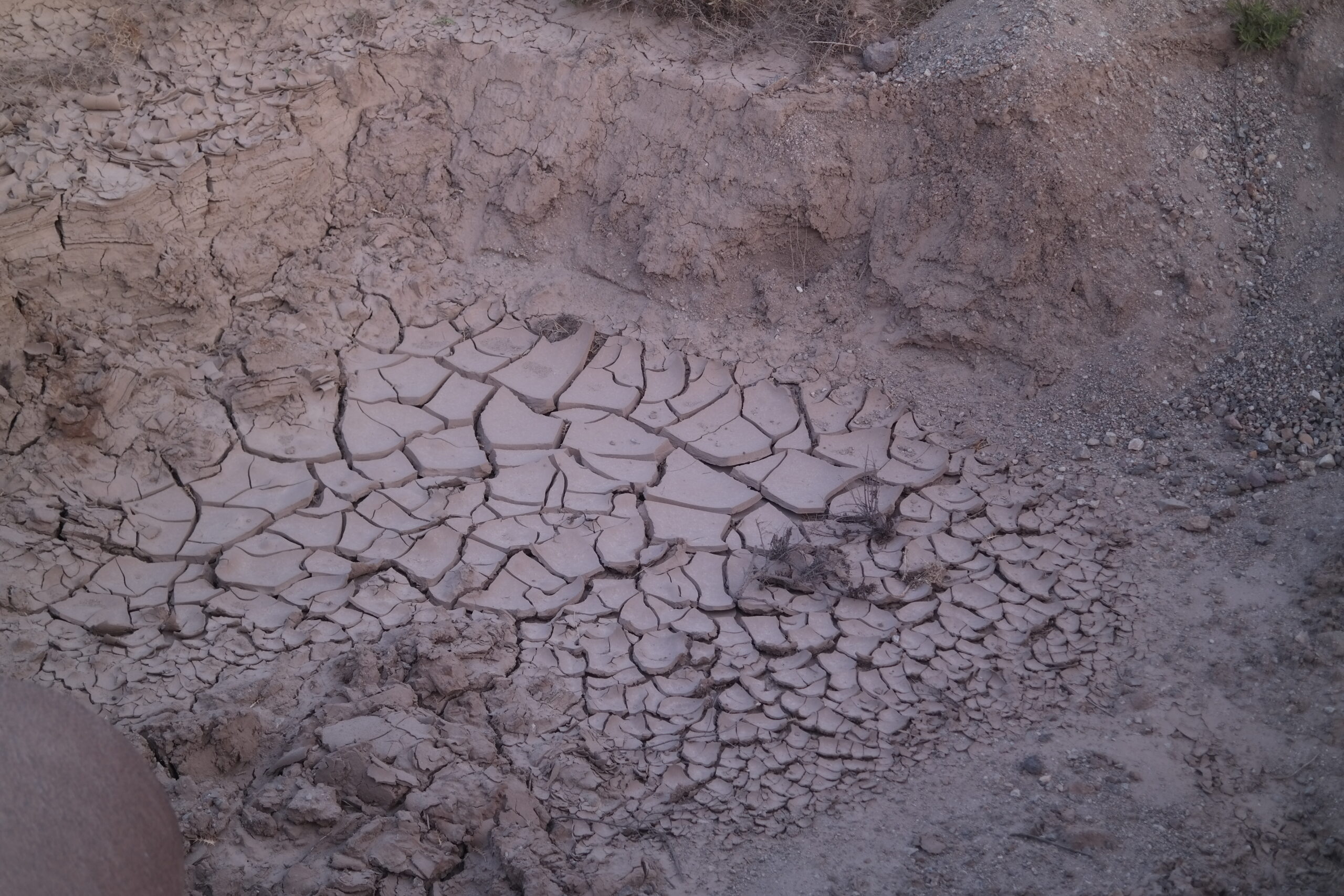
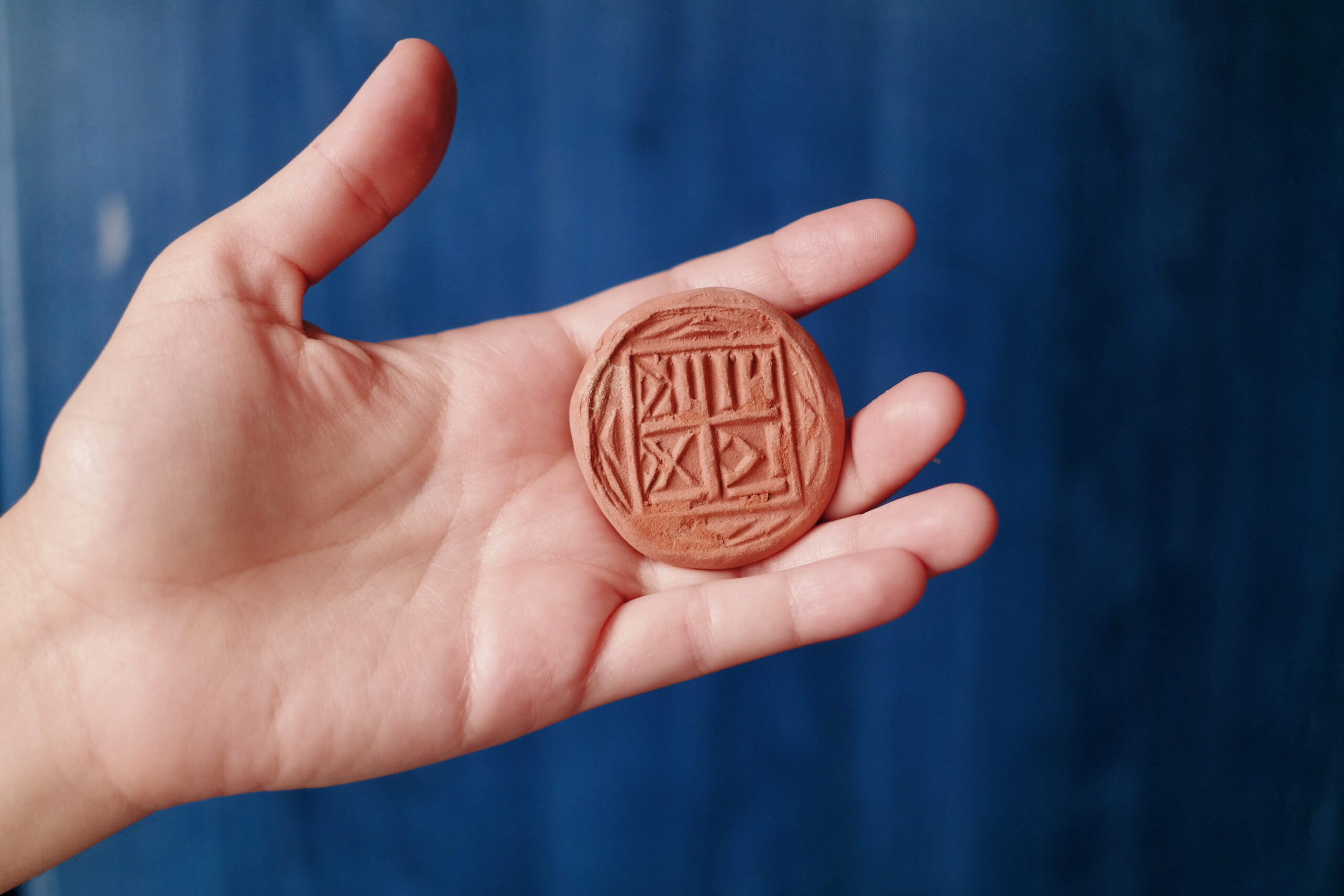
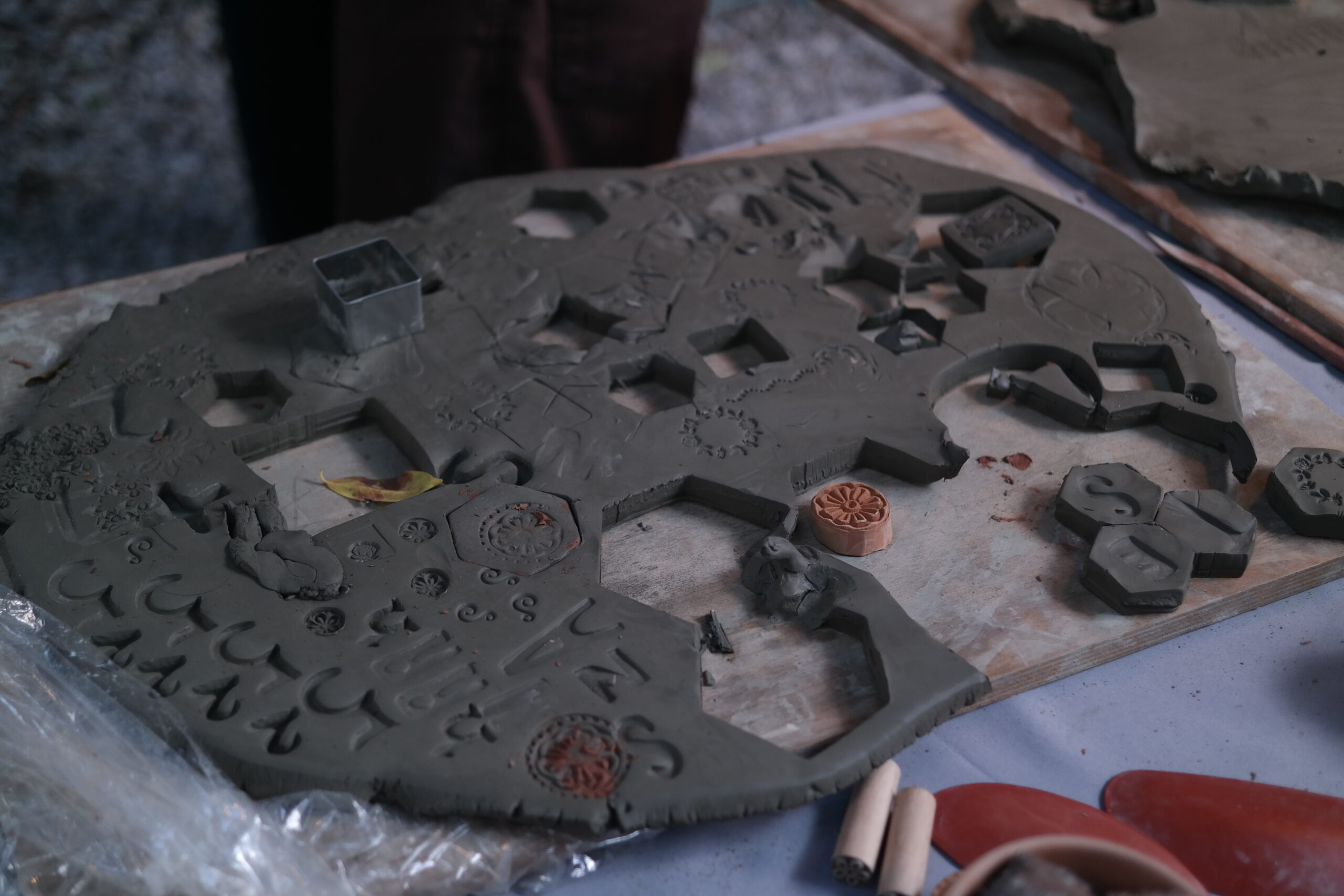
Union of the Elements is a local gathering on Patmos organized by the groups Patmos Ceramic Tiles (Patmos) and SUb (Çanakkale), together with the invited artist Eugenia Vereli. This collective clay workshop follows a series of site-based studies across the island, during which clay was collected from various locations between June 11–14.
On the evening of June 15, the gathering takes place by the sea, around a shared table, in order to work with the clay materials that were collected and to reflect on the entire process. Through handmade creation, storytelling, and collective gestures, clay is explored as a medium through which the earth, memory, and people come into relationship.
Wednesday, 02 July 2025, 20:00 | Film screenings and discussion
Co-organisers: Lesvos Solidarity (LeSol), Seyir Derneği (Eye Society)
Τοποθεσία: ASKEV, Ayvalik
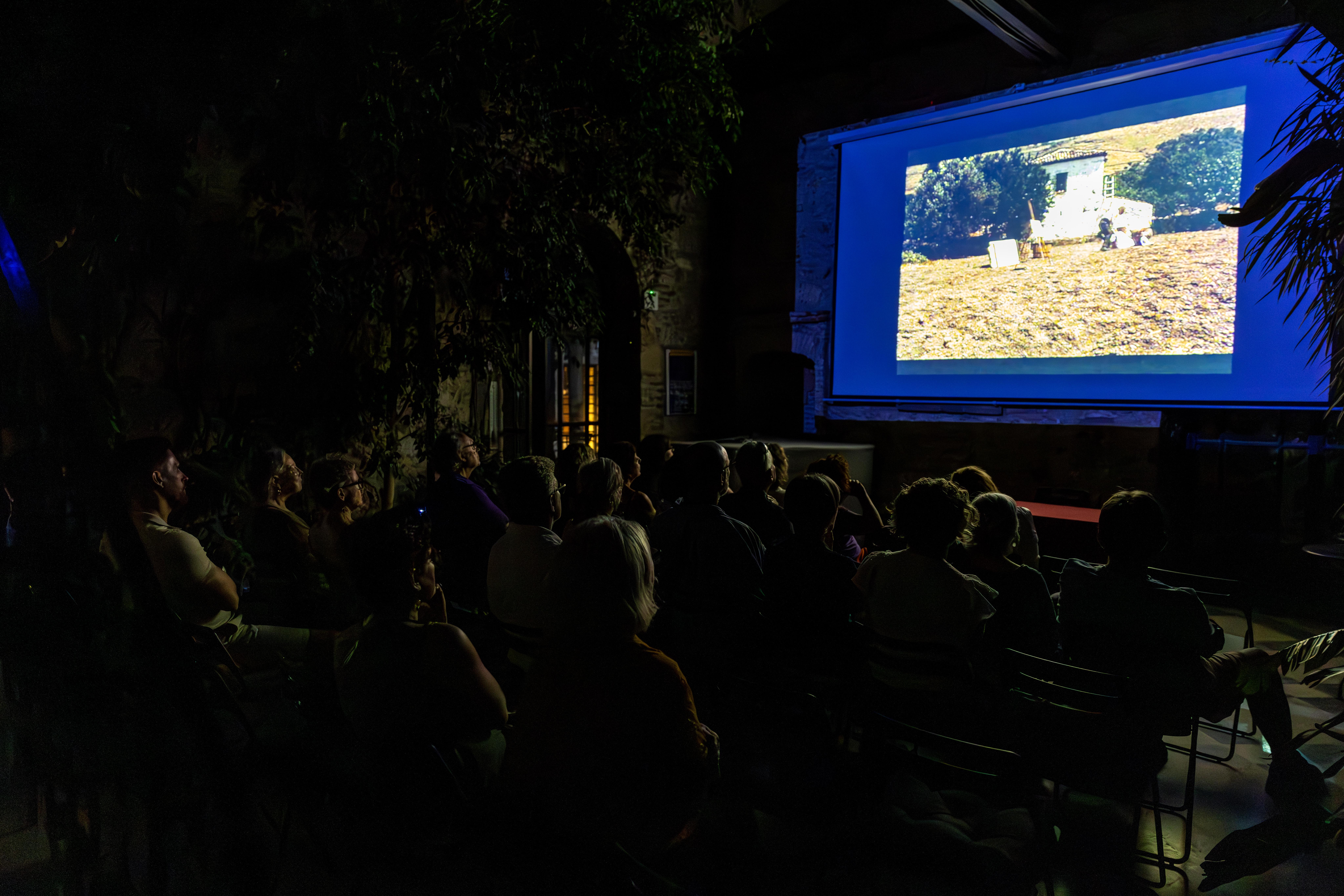
The event, titled “Cultural Treasures of Neighboring Lesvos,” will include a talk and a documentary screening about the Tériade Museum on Lesvos and the Greek folk painter Theophilos Hatzimichail.
The film “Theophilos” by Lakis Papastathis, which won the Best Film, Best Actor, and Best Costume Design awards at the Thessaloniki Film Festival in 1987, tells the story of Theophilos Hatzimichail, one of Greece’s greatest folk painters. Written and directed by Papastathis, the film presents the portrait of a self-taught, impoverished avant-garde artist who was born and raised on the neighboring island of Lesvos. His captivating naïve paintings draw their themes from everyday life, typical Greek characters, and religious and historical representations. In addition to his oil paintings, murals can be found in various locations across the island and mainland Greece. The Theophilos Museum, near the center of Mytilene, is today a popular destination for visitors to the island.
Before the screening, Alexandros Spathis, a member of the Board of the Tériade Museum and Library, will give a talk. The collector Stratis Eleftheriadis-Tériade played a leading role in promoting the works of Theophilos, even after the artist’s death, helping him gain international recognition.
Screening: Theophilos, Lakis Papastathis, Greece, 1987, 115 minutes
Friday, 04 July 2025, 18:00 | Film screening
Co-organisers: Lesvos Solidarity (LeSol), Seyir Derneği (Eye Society)
Location: Cine Arion, Μytilene, Lesvos
Screening: One of Those Days When Hemme Dies, Murat Fıratoğlu, Turkey, 2024, 84 minutes
Saturday, 05 July, 2025, 17:30 | Clay workshop
What Can Clay Tell?
Co-organisers: Patmos Ceramic Tiles , Sub
Location: SUb,Canakkale
From Patmos to Çanakkale, the workshop developed around site-based studies of clay and its nature, including its collection and processing, with an emphasis on different clays gathered from the two regions. In both chapters, clay is understood as a material that carries the knowledge of the earth. The collection of clay is directly connected to inherent practices and the non-formal knowledge of landscapes.
For the Çanakkale chapter, clay was collected in the Bayramiç area, and the network expanded with the participation of contemporary artist Kleopatra Tsali, who collects clay locally from Naxos and whose practice focuses on the origins of materials and experimental processes.
The workshop is open to everyone- no prior experience is required.
Support
The project is funded by Allianz Foundation and supported by Chios Navigation and TAVROS Friends.
Sponsors
Blue Star Ferries